
World News – 2024 – Video Playlist | Video Playlists | Sites: | newsandtimes.org | links-newsandtimes.com | worldwebtimes.com | southcaucasusnews.com | russianworld.net | jossica.com | octobersurprise2016.org | bklyntimes.com | oceanavenuenews.com | fbireform.com | bloggersunite.net | octobersurprise-2024.org | Trump-News.org | Audio-Posts.com | Bklyn-NY.com | Posts Review – newsandtimes.org | Capitol-Riot.com |
The News And Times Review – NewsAndTimes.org
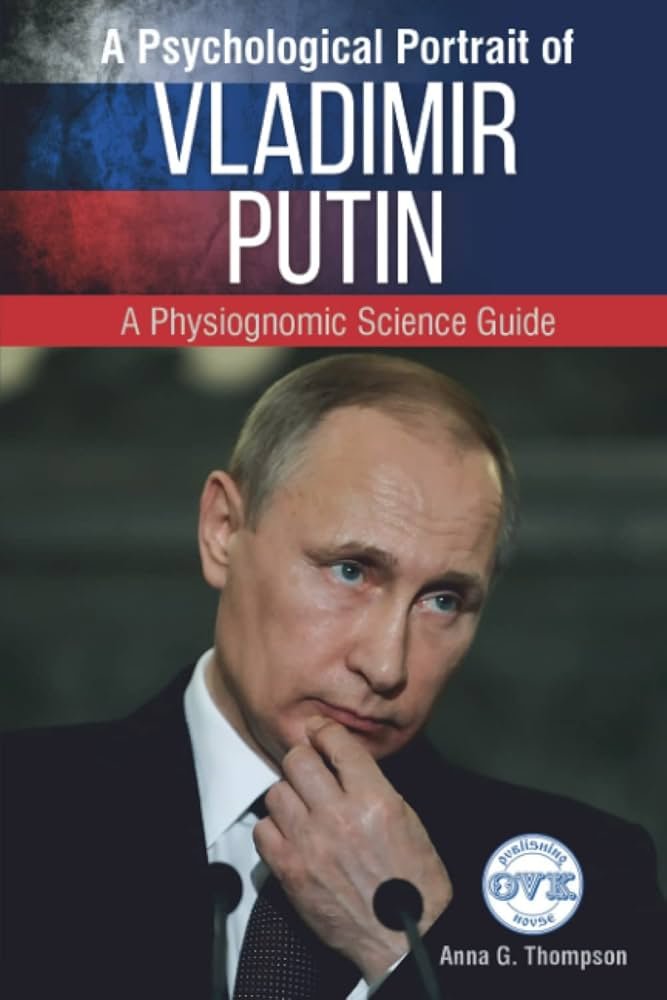
Researchers analyzing Vladimir Putin’s behavior and statements have attempted to construct a psychological profile to better understand his political personality and the impact on his decision-making
.
Key aspects of Putin’s personality and potential psychopathology
- Dark Triad Traits: Studies on authoritarian leaders, including Putin, suggest higher scores on the “Dark Triad” of personality traits: Machiavellianism (manipulation and deception), narcissism (grandiosity and entitlement), and psychopathy (low empathy, aggression, and impulsivity). These traits may contribute to his insensitivity towards others and a disregard for due process, as exemplified by actions like the poisoning and imprisonment of opposition figure Alexei Navalny.
- Expansionist and Enforcer: Researchers describe Putin’s personality as featuring both “expansionist” (ambitious, bold, self-assured) and “enforcer” (dutiful, diligent, strong work ethic, attention to detail) components. These traits may manifest as a drive for leadership and expansion, coupled with meticulous planning and a focus on achieving objectives.
- High-dominance Introvert with Limited Empathy: Putin is described as a high-dominance introvert, indicating a need for independence and a reluctance to develop strong interpersonal ties. His lack of empathy, congeniality, and cognitive flexibility are seen as significant shortcomings in a political role.
- Low Conceptual Complexity: One analysis of Putin’s leadership style points to low conceptual complexity as a defining trait. This suggests a tendency to view the world in a structured, unchangeable way, impacting how he perceives and responds to threats and influencing the trajectory of conflicts like the invasion of Ukraine in 2022.
Potential influence on political behavior
- Aggressive Foreign Policy: Putin’s personality traits, including a focus on security and status, may contribute to an “expansionist tendency” in foreign policy. His tendency towards a confrontational style and his low conceptual complexity could explain his approach to the war in Ukraine.
- Rational or Deeply Flawed: Some researchers analyze Putin’s actions through a lens of rational decision-making rooted in a “harsh realism” about global politics, or an attempt to consolidate domestic power. Others point to the possibility of deeper psychological flaws influencing his choices, potentially including a paranoid personality disorder.
- Weaponization of History and Ideology: Putin has been known to use historical narratives to serve political goals, portraying Russia as a strong nation constantly surrounded by enemies and emphasizing the need for a centralized Russian state, according to the Foreign Policy Research Institute. He has also been described as creating an ideology (“Putinism”) that combines imperial-nationalist statism with themes of Russian greatness, exceptionalism, and a historical struggle against the West, says the Center for Strategic and International Studies (CSIS). These narratives influence his decision-making regarding the Ukraine War and his broader foreign policy approach.
- Aging and Increased Rigidity: As an aging autocrat, Putin may exhibit increased rigidity, resistance to dissent, and reliance on past habits and ideological convictions. This could intensify his preference for confrontation and resistance to compromise.
It is important to note that these are interpretations and analyses by researchers and do not constitute a formal diagnosis of a personality disorder. The DSM-5 provides criteria for diagnosing personality disorders, but professionals generally do not offer such diagnoses without direct interaction and assessment of an individual.

 The South Caucasus News
The South Caucasus News – The News And Times