
World News – 2024 – Video Playlist | Video Playlists | Sites: | newsandtimes.org | links-newsandtimes.com | worldwebtimes.com | southcaucasusnews.com | russianworld.net | jossica.com | octobersurprise2016.org | bklyntimes.com | oceanavenuenews.com | fbireform.com | bloggersunite.net | octobersurprise-2024.org | Trump-News.org | Audio-Posts.com | Bklyn-NY.com | Posts Review – newsandtimes.org | Capitol-Riot.com |
The News And Times Review – NewsAndTimes.org
Images may be subject to copyright. Learn More
Interpretations of
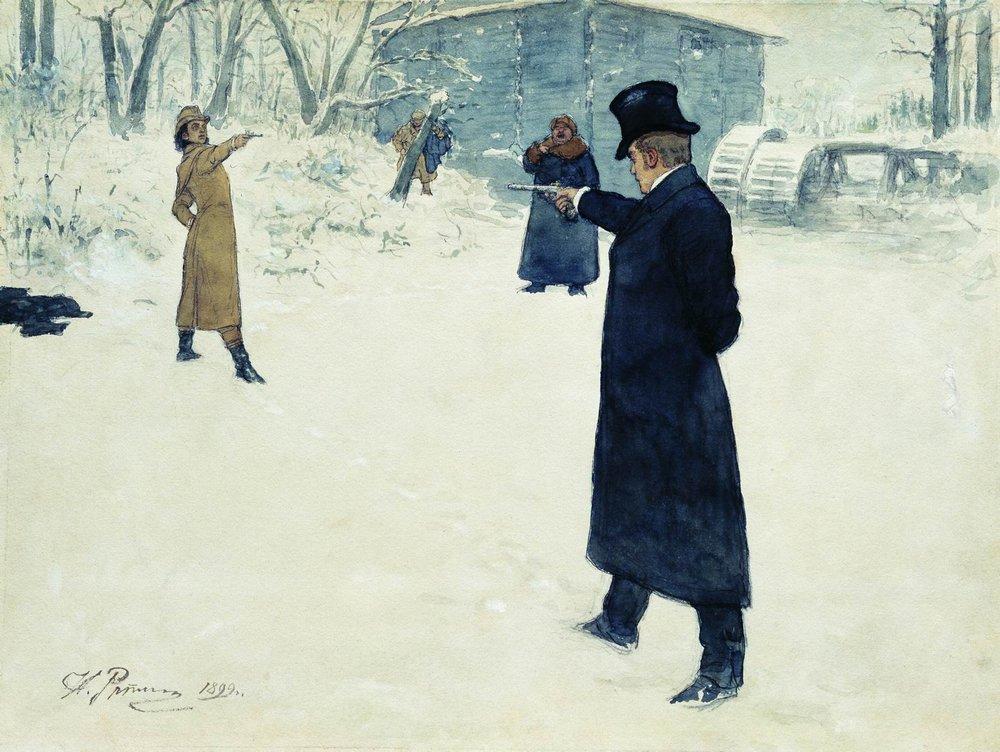
Eugene Onegin with a focus on gay or homoerotic themes often center around the potential for a concealed relationship or repressed desires between the main characters, Onegin and Lensky, and also touch upon the personal life of the composer, Pyotr Tchaikovsky.
Key Points of Gay Interpretations:
- Onegin and Lensky’s Relationship: Some interpretations suggest a hidden sexual relationship between Onegin and Lensky, citing moments of intense emotional connection and the context of their duel as potentially stemming from more than just heterosexual rivalry. For instance, some productions interpret Lensky’s love paean in Act 1 as directed towards Onegin, rather than Olga. Some see the duel itself as a metaphor for hidden desires or conflict related to their unspoken connection.
- Echoes of Tchaikovsky’s Life: Tchaikovsky’s own struggles with his homosexuality are seen as reflected in the opera. His failed marriage, entered into as an attempt to suppress his sexual orientation, is viewed as mirroring the themes of unrequited love and the inability to express true feelings found in the opera. Some even consider Tatyana’s passionate letter-writing scene as a potential expression of a hidden gay heart, or a metaphorical coming out for Tchaikovsky.
- The Duel’s Interpretation: The dramatic duel between Onegin and Lensky, culminating in Lensky’s death, has been analyzed through a queer lens. Some interpretations see it as a tragic consequence of societal pressures and the impossibility of their potentially homosexual desires, given the social context of the time.
- Queer Readings in Modern Productions: Some contemporary opera productions and adaptations have explicitly incorporated a gay interpretation of Eugene Onegin. Heartbeat Opera’s production, for instance, emphasizes the homoerotic subtext, featuring moments that highlight a sexual connection between Onegin and Lensky.
It is important to note that these interpretations are not universally accepted and Eugene Onegin is traditionally understood as a heterosexual love story. However, the emotional depth of the opera, coupled with Tchaikovsky’s personal history, has allowed for such interpretations to emerge and resonate with some audiences. These interpretations also speak to the broader context of LGBTQ+ history in Russia and the social pressures faced by homosexual individuals in the 19th and early 20th centuries.
AI responses may include mistakes. Learn more
–
–
 The South Caucasus News
The South Caucasus News – The News And Times