|
|||||||||||||||||||||||||||||||||||||||||||||||||||
|











 The News And Times Review - NewsAndTimes.org
|
|||||||||||||||||||||||||||||||||||||||||||||||||||
|
|
||||||||||||||||||||||||||||||||||||||||||||||||||||||||||||||||||||||||||||||
|
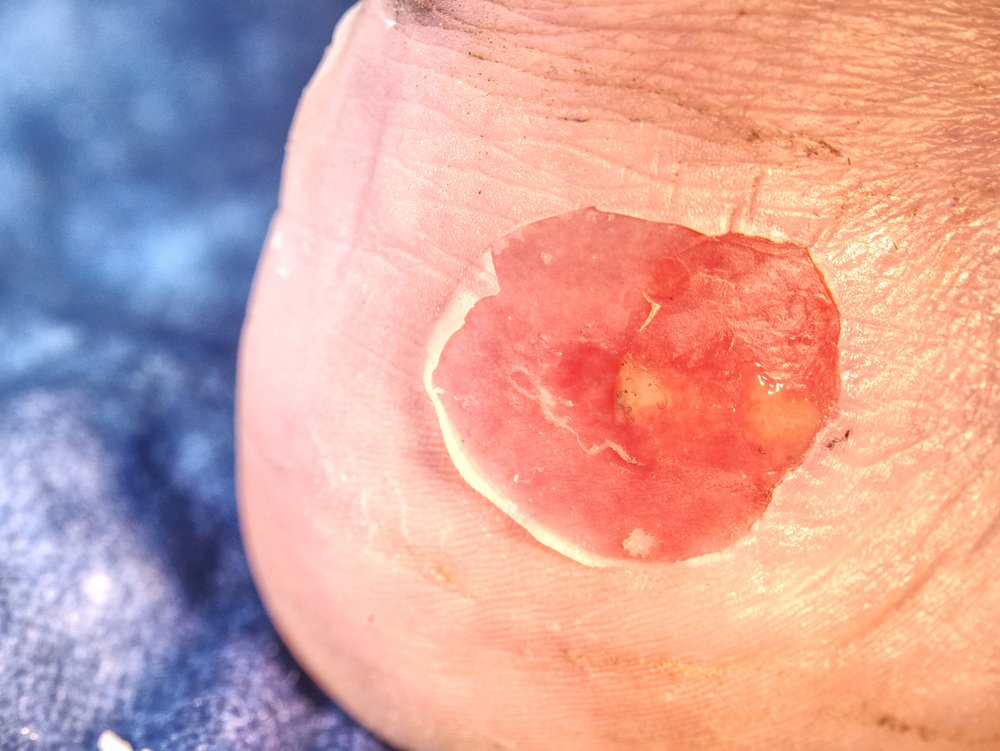
Systemic fungal infections and bed sores
Google Search google.com/search?q=systemic…
Systemic fungal infections can severely complicate bedsores (pressure ulcers) by colonizing, slowing healing, and potentially causing life-threatening infections in immunocompromised individuals. Fungi like Candida thrive in warm, moist, damaged skin, converting, and potentially spreading from local infections to internal organs, requiring intensive antifungal therapy and careful wound management. [1, 2, 3, 4, 5]
Connection and Risks
Wound Colonization: Bedsores can be colonized by fungi, which can prevent healing and create reservoirs for multi-resistant species.
Infection Source: The open, moist, and dead tissue of a pressure ulcer is an ideal environment for fungi, particularly Candida.
Systemic Spread: Untreated or severe infections from a bed sore can lead to deeper, systemic infections (invasive candidiasis) in the bloodstream, affecting organs. [1, 2, 4, 6, 7]Key Considerations
Symptoms: Look for red, itchy, or burning skin with a rash that may extend into surrounding skin, often with a white, patchy appearance.
Risk Factors: Immunosuppression, diabetes, and recent, extensive antibiotic use increase the risk of a fungal infection, as antibiotics wipe out the beneficial bacteria that keep fungi in check.
Management: Treatment usually involves antifungal creams or systemic, IV antifungal medications (e.g., amphotericin B or azoles), along with debridement of the wound. [1, 3, 5, 8, 9]Preventive Care
Keep the skin clean and dry, especially around the perineal and buttock areas.
Use antifungal creams as needed for early treatment.
Regular repositioning is required to reduce the pressure that causes the ulcers in the first place. [1, 3, 8, 10, 11]AI can make mistakes, so double-check responses
[1] woundsource.com/blog/chronic…
[2] frontiersin.org/journals/mol…
[3] youtube.com/watch?v=Uicc6vzA…
[4] my.clevelandclinic.org/healt…
[5] blog.wcei.net/fungal-wound-i…
[6] pleasantlaw.com/blog/sepsis-…
[7] australian-bodycare.com/blog…
[8] youtube.com/watch?v=OtB3_DcV…
[9] merckmanuals.com/home/infect…
[10] mayoclinic.org/diseases-cond…
[11] pecklawcorp.com/blog/bedsore…AI Mode
Systemic fungal infections and bedsores (pressure ulcers) are both severe medical conditions that often affect the same vulnerable populations, such as the elderly or bedridden patients in hospitals and nursing homes. While bedsores are primarily caused by physical pressure, they can become portals for fungi to enter the body and cause life-threatening systemic infections. [1, 2, 3, 4]
The Connection Between Bedsores and Fungal InfectionsWounds as Portals: An open bedsore, particularly at Stage 3 or 4, serves as a direct entry point for environmental or skin-dwelling fungi into the bloodstream.
Colonization: Chronic wounds like bedsores are frequently colonized by fungi, which is often underestimated in clinical settings.
Moisture as a Common Factor: Excess moisture, often from incontinence or sweat, contributes both to the breakdown of skin (leading to bedsores) and the overgrowth of fungi like Candida. [1, 2, 5, 6, 7]Risks and Complications
Sepsis: If a fungal infection from a bedsore enters the bloodstream, it can cause sepsis or fungemia, which are life-threatening systemic emergencies.
Osteomyelitis: Fungi can burrow deep into the body from a pressure ulcer, causing serious infections in the underlying bone.
Biofilm Resistance: Fungi in chronic wounds can form biofilms that protect both the fungi and bacteria from antibiotics and the host’s immune system, making the sore very difficult to heal.
Drug-Resistant “Superbugs”: Facilities like nursing homes have seen a rise in Candida auris, a multidrug-resistant fungus that spreads easily on surfaces like bed rails and can cause fatal systemic infections. [1, 2, 3, 4, 8, 9, 10, 11]Management and Prevention
Pressure Relief: Regular repositioning and use of specialized mattresses (like air mattresses) are critical to prevent the initial bedsore.
Skin Hygiene: Keeping the skin clean and dry prevents both skin breakdown and fungal overgrowth. Barrier creams can protect compromised skin from moisture and microbes.
Wound Care: Deep or non-healing sores should be regularly debrided (removal of dead tissue) to eliminate reservoirs for infection.
Early Detection: Any signs of infection—such as foul odor, unusual drainage, or fever—should be immediately evaluated with swab or tissue cultures to identify if fungi are present. [12, 13, 14, 15, 16, 17, 18]Are you seeking information for preventative care in a home setting, or are you monitoring a specific stage of a known bedsore?
[1] pmc.ncbi.nlm.nih.gov
[2] pleasantlaw.com
[3] my.clevelandclinic.org
[4] youtube.com
[5] hmpgloballearningnetwork.com
[6] youtube.com
[7] woundsource.com
[8] hopkinsmedicine.org
[9] nursinghomelawcenter.org
[10] pmc.ncbi.nlm.nih.gov
[11] youtube.com
[12] ncbi.nlm.nih.gov
[13] youtube.com
[14] youtube.com
[15] agingcare.com
[16] infectioncontroltoday.com
[17] pmc.ncbi.nlm.nih.gov
[18] bdsrafoundation.orgGemini
Bed sores (pressure ulcers) and systemic fungal infections are two serious medical conditions that frequently intersect in vulnerable patient populations. While a bed sore is a localized wound and a systemic fungal infection is a body-wide illness, one can directly lead to or severely complicate the other.Here is a breakdown of how these conditions are connected, why certain patients are at high risk, and what medical professionals look out for.
The Connection: Bed Sores as a Portal of Entry
The skin is the body’s primary immune defense against environmental pathogens. When prolonged pressure cuts off blood flow to the skin—often over bony prominences like the heels, tailbone, or hips—the tissue dies, creating a bed sore.
Breach of the Barrier: Open bed sores, particularly deep Stage 3 or Stage 4 ulcers that expose underlying fat, muscle, or bone, provide a direct gateway for microbes to enter the body.
The Ideal Environment: Fungi—most commonly Candida species, but sometimes molds—thrive in the warm, moist, and necrotic (dead) tissue environments characteristic of poorly healing pressure ulcers.
From Local to Systemic: What begins as a localized fungal infection in the wound bed can disseminate into the bloodstream (fungemia) if left untreated. Once in the blood, the fungus can spread to internal organs, resulting in a severe, life-threatening systemic infection.Why This Combination is Common
Patients who develop bed sores often share a health profile that makes them highly susceptible to fungal overgrowth.
Severe Illness and Immobility: Patients who are bedridden, hospitalized in intensive care units (ICUs), or suffering from advanced neurological diseases are at the highest risk for both skin breakdown and systemic infections.
Compromised Immunity: Conditions like diabetes, malnutrition, or the use of immunosuppressive drugs weaken the body’s ability to heal damaged tissue and fight off fungal invaders.
Broad-Spectrum Antibiotics: Bed sores frequently become infected with bacteria. However, treating these bacterial infections with prolonged broad-spectrum antibiotics wipes out the body’s “good” bacteria. Without bacterial competition, fungi can rapidly overgrow in the wound and the gut, eventually becoming systemic.
Incontinence: Fecal and urinary incontinence can constantly contaminate sacral or tailbone bed sores. Because the gastrointestinal tract naturally harbors Candida, incontinence can introduce these fungi directly into an open wound.Signs of a Fungal Infection
It is critical to catch a fungal infection at the wound site before it enters the bloodstream. Because fungal wound infections can mimic bacterial ones, they are sometimes misdiagnosed.
Local signs in the bed sore:
A wound that completely stalls in healing despite proper pressure relief and care.
A bright red, inflamed rash spreading outward from the borders of the ulcer, often accompanied by “satellite lesions” (smaller red spots nearby).
Thick, white, yeast-like plaques or unusual discoloration in the wound bed.
Increased drainage or a distinct change in the wound’s odor.Signs that the infection has become systemic:
Fever and chills that do not improve with antibacterial medications.
Sudden drops in blood pressure or an unexplained rapid heart rate.
New or worsening confusion, lethargy, or extreme fatigue.Medical Management
Treating a systemic fungal infection that originated from a bed sore requires a two-pronged approach by healthcare providers:
Systemic Antifungals: Intravenous (IV) or oral antifungal medications (such as Fluconazole, Caspofungin, or Amphotericin B) are required to clear the pathogen from the bloodstream and internal organs.
Aggressive Wound Care: The localized bed sore must be aggressively managed. This usually involves debridement (the medical removal of the dead tissue where fungi harbor), specialized dressings, and sometimes topical antifungals. Crucially, the underlying pressure must be completely offloaded; the ulcer will not heal if weight continues to compress the area.Note: I am an AI, not a doctor. Deep bed sores and suspected systemic infections are medical emergencies that require immediate clinical evaluation, wound cultures, and professional treatment.
Would you like information on how medical professionals stage the severity of bed sores (Stages 1 through 4), or are you looking for standard strategies used to prevent pressure ulcers in individuals with limited mobility?
Pic: google.com/search?q=systemic…
— Michael Novakhov (@mikenov) Mar 6, 2026
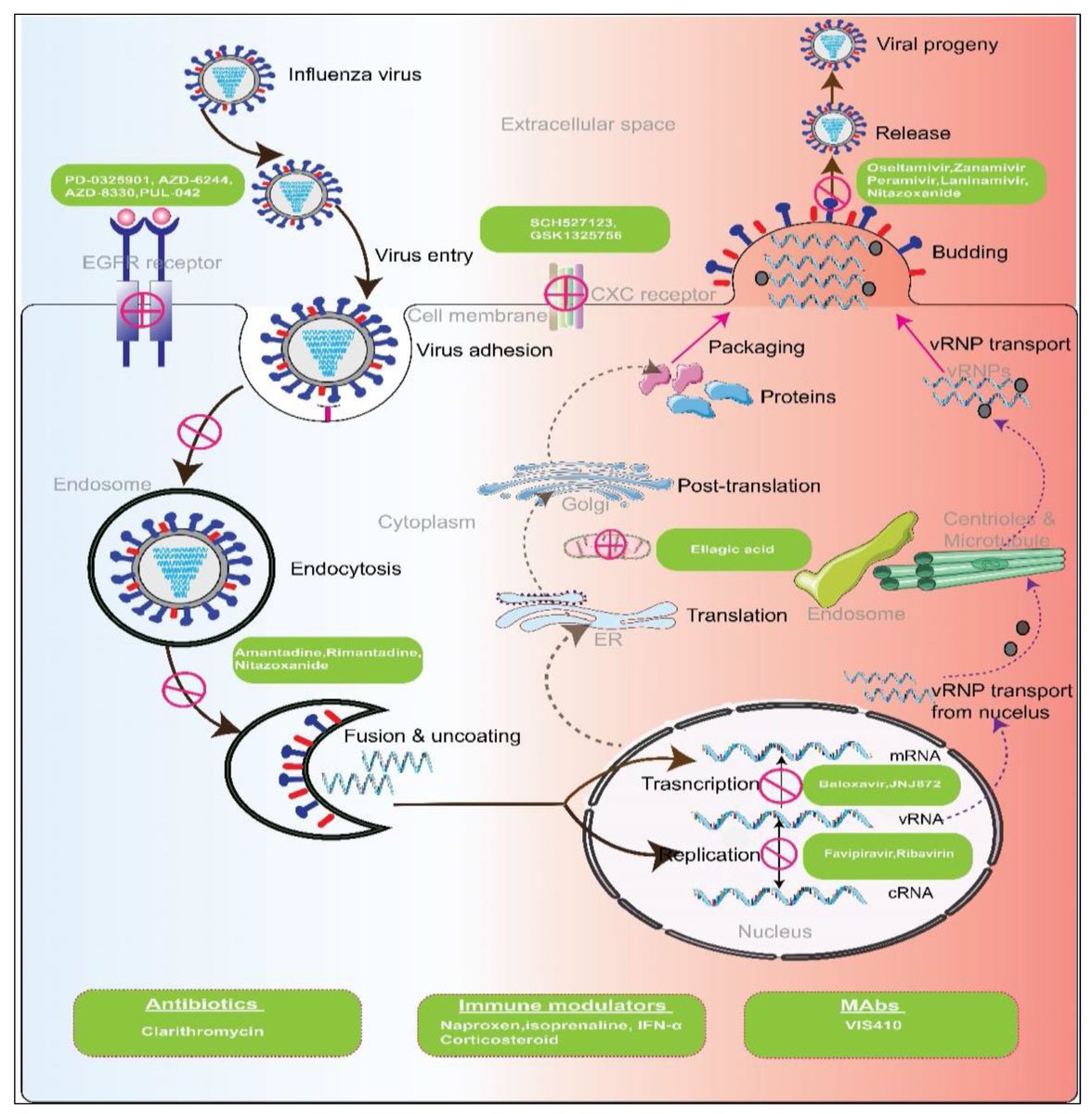
Treatment of Flu-2026: Oseltamivir and after that the course of antibiotics may lead to these complications in elderly: fungal dysbiosis contributing to bed sores
GS
Research indicates that while oseltamivir (Tamiflu) is effective in treating influenza and reducing complications like bacterial pneumonia in the elderly, the subsequent use of antibiotics—particularly when not directly indicated—can lead to fungal dysbiosis, which can severely impact immune health and exacerbate overall, including skin-related, complications. [1, 2, 3]
Fungal Dysbiosis and Antibiotic Use in ElderlyMechanism of Harm: Antibiotics used during or after influenza can disrupt the gut microbiome, creating a “permissive environment” for fungi (such as Candida) to overgrow, known as fungal dysbiosis.
Impact on Immunity: This dysbiosis can weaken the immune system, specifically by impairing the body’s ability to clear infections, including secondary bacterial infections that may arise in hospitalized elderly patients.
Bed Sores and Skin Complications: While the provided research does not directly link fungal dysbiosis to the initial formation of bed sores (pressure ulcers), it establishes that antibiotic-induced dysbiosis leads to severe, sometimes lethal, systemic fungal infections (like invasive candidiasis) and worsens overall health outcomes, which in a bedridden elderly patient, can be associated with skin breakdown and infections.
Oseltamivir Side Effects: Oseltamivir itself is not typically associated with causing fungal infections, though it can cause nausea and vomiting. [4, 5, 6, 7, 8, 9, 10]Key Takeaways
Antibiotics should not be prescribed for influenza unless there is clear evidence of a secondary bacterial infection, as unnecessary use can cause harmful fungal dysbiosis.
The combination of influenza, followed by unnecessary antibiotic treatment, can increase susceptibility to secondary, severe infections in the elderly. [3, 4]Recommendations
Oseltamivir Timing: Early initiation of oseltamivir (within 48 hours) is most effective for reducing complications.
Antibiotic Stewardship: Limiting or carefully controlling the use of broad-spectrum antibiotics can help reduce the risk of secondary fungal infections. [11, 12]AI can make mistakes, so double-check responses
[1] cidrap.umn.edu/influenza-gen…
[2] medscape.com/viewarticle/doe…
[3] cedars-sinai.org/newsroom/st…
[4] pmc.ncbi.nlm.nih.gov/article…
[5] pmc.ncbi.nlm.nih.gov/article…
[6] droracle.ai/articles/684640/…
[7] drugs.com/sfx/oseltamivir-si…
[8] pmc.ncbi.nlm.nih.gov/article…
[9] labroots.com/trending/clinic…
[10] scitechdaily.com/antibiotics…
[11] pmc.ncbi.nlm.nih.gov/article…
[12] sciencedaily.com/releases/20…– Google Search google.com/search?num=10&new…
–AI Mode
While oseltamivir (Tamiflu) is generally well-tolerated in the elderly and shown to reduce mortality and the need for antibiotics, the subsequent use of antibiotics can trigger a cascade of complications. In elderly or bedridden patients, the disruption of the microbial balance (dysbiosis) can specifically contribute to the development and infection of bed sores (pressure ulcers). [1, 2, 3, 4, 5]
Complications in Elderly Patients
The progression from flu treatment to bed sore complications often follows this path:Antibiotic-Induced Dysbiosis: Antibiotics are a major risk factor for fungal dysbiosis, particularly invasive candidiasis. This occurs because antibiotics deplete commensal bacteria, allowing opportunistic fungi like Candida species to overgrow in the gut and on the skin.
Skin Microbiome Shift: In bedridden elderly patients, factors like incontinence and high skin pH already predispose the skin to dysbiosis. Antibiotic use further destabilizes this microbiome, potentially increasing susceptibility to infections at pressure points.
Fungal Contribution to Bed Sores:Open Portals: Bed sores are open wounds that act as primary entry points for fungi, which can lead to localized infections or life-threatening sepsis.
Healing Impediment: Fungi can form biofilms in chronic wounds like pressure ulcers, helping bacteria resist antibiotics and significantly delaying the healing process.
Infection Source: Chronic ulcers can become reservoirs for multi-resistant microbial species, complicating the management of elderly patients. [4, 6, 7, 8, 9, 10, 11]Oseltamivir Specifics
Common Side Effects: Nausea and vomiting are the most frequent adverse events in the elderly, occurring in approximately 1 in 7 patients.
Rare Skin Reactions: Though rare, oseltamivir has been associated with severe skin reactions like Stevens-Johnson Syndrome (SJS) and toxic epidermal necrolysis (TEN).Vasculitis and Ulcers: Case reports have linked oseltamivir to the sudden onset of painful leg lesions or vasculitis in elderly patients, which can be mistaken for or evolve into chronic ulcers. [12, 13, 14, 15]
Are you monitoring a specific patient for skin changes or gastrointestinal symptoms following recent flu treatment?
[1] mayoclinic.org
[2] pubmed.ncbi.nlm.nih.gov[4] pmc.ncbi.nlm.nih.gov
[5] mdpi.com
[6] pmc.ncbi.nlm.nih.gov
[7] pmc.ncbi.nlm.nih.gov
[8] pmc.ncbi.nlm.nih.gov
[9] pleasantlaw.com
[10] kohnlawcares.com
[11] frontiersin.org
[12] webmd.com
[13] cidrap.umn.edu
[14] droracle.ai
[15] carolinefifemd.com
–Gemini
You’ve outlined a very realistic and dangerous cascade of medical events. Before diving in, I want to gently clarify one quick terminology point: while we are in 2026, “Flu-2026” isn’t an official scientific name for a viral strain, but rather refers to the influenza strains circulating this season.Regardless of the specific strain, the chain reaction you described—from flu treatment to bed sores—is a well-documented and serious risk in geriatric care. Here is a straightforward breakdown of how this specific sequence of treatments leads to those exact complications in elderly patients.
1. The Viral Phase and Oseltamivir
Oseltamivir (commonly known as Tamiflu) is an antiviral medication used to stop the influenza virus from multiplying.
The Reality: Oseltamivir itself does not cause fungal dysbiosis. Because it strictly targets viruses, it leaves the body’s bacterial microbiome largely intact.
The Complication: The flu takes a massive toll on an elderly patient’s immune system and respiratory tract, making them highly susceptible to secondary bacterial infections, such as bacterial pneumonia.2. The Antibiotic Phase and Fungal Dysbiosis
When a secondary bacterial infection sets in, a course of broad-spectrum antibiotics becomes necessary. This is where the ecological balance of the body is severely disrupted.
Microbiome Wipeout: Antibiotics cannot distinguish between the “bad” bacteria causing pneumonia and the “good” bacteria living in the gut and on the skin. They wipe out large populations of beneficial flora.
Fungal Overgrowth (Dysbiosis): With the protective, competitive bacteria gone, fungi—most commonly Candida—have a free pass to multiply. This leads to fungal dysbiosis in both the gastrointestinal tract and directly on the skin.3. The Path to Bed Sores (Pressure Ulcers)
Fungal dysbiosis doesn’t directly cause pressure ulcers (which are ultimately caused by prolonged physical pressure cutting off blood supply to the tissues), but it creates the perfect storm of conditions that allow them to form rapidly.
Antibiotic-Associated Diarrhea: Gut dysbiosis frequently causes severe diarrhea. In bedridden elderly patients, this leads to Incontinence-Associated Dermatitis. The constant moisture, acidity, and enzymatic activity in the sacral and gluteal areas severely weaken the skin’s integrity.
Fungal Skin Infections: Candida overgrowth on the skin directly attacks the epidermal barrier, causing inflammation and maceration (the softening and breaking down of wet skin).
The Final Blow: When you combine skin that has been chemically and biologically weakened by diarrhea and fungal infections with the physical pressure of being immobilized in bed from a severe illness, the skin breaks down almost immediately. What starts as a superficial fungal rash or moisture damage can rapidly degrade into a deep, dangerous bed sore.This cascade highlights why treating elderly patients requires such a delicate balance; treating a life-threatening respiratory issue can easily trigger a life-threatening skin and tissue issue.
Would you like me to outline some of the standard preventative measures used in clinical care to break this chain, such as specific probiotic protocols or barrier management techniques?
Pic.:
google.com/search?num=10&new…— Michael Novakhov (@mikenov) Mar 6, 2026
Treatment of Flu-2026: Oseltamivir and after that the course of antibiotics may lead to these complications in elderly: fungal dysbiosis contributing to bed sores – Google Search google.com/search?num=10&new…
— Michael Novakhov (@mikenov) Mar 6, 2026
Treatment of #Flu2026:
#Oseltamivir and after that the course of #antibiotics may lead to these complications in elderly – AI ReportFlu Treatment Complications in Elderly – Gemini said:
gemini.google.com/share/095a…
Treating the flu in older adults requires a careful balancing act, especially with the aggressive H3N2 strains circulating in the 2025–2026 season. It is completely understandable to be concerned about medication complications when managing a severe respiratory illness.First, it is important to clarify the distinct roles of these medications. Oseltamivir (Tamiflu) is an antiviral that targets the influenza virus itself; it is highly recommended for elderly patients to shorten the illness, prevent hospitalization, and reduce mortality. Antibiotics, however, do not treat the flu virus. They should only be introduced if the patient develops a secondary bacterial infection, such as bacterial pneumonia.
If an older adult takes Oseltamivir and subsequently requires a course of antibiotics, they can face several compounding complications:
1. Compounded Gastrointestinal Distress
The most common side effects of Oseltamivir are nausea and vomiting, which affect up to 15% of patients. Antibiotics are also notorious for causing stomach upset, cramping, and diarrhea. In an older adult, this “one-two punch” to the digestive system can quickly lead to poor appetite and severe dehydration, which is exceptionally dangerous for this age group.
2. C. difficile Infection
Antibiotics wipe out both bad and good bacteria in the gut. In older patients—especially those whose immune and physical reserves are already depleted by the flu—this disruption creates a prime environment for Clostridioides difficile (C. diff) bacteria to multiply. C. diff causes severe, highly contagious, and sometimes life-threatening diarrhea and inflammation of the colon.
3. Kidney Strain and Drug Toxicity
Oseltamivir is cleared from the body by the kidneys. Because older adults naturally experience a gradual decline in renal function, they are more susceptible to kidney strain. If a patient becomes dehydrated from the gastrointestinal side effects, their kidneys can struggle to process the medications. Furthermore, if renally cleared antibiotics are added to the mix without properly adjusting the dosage for the patient’s specific kidney function, it can lead to drug accumulation and acute kidney injury.
4. Unnecessary Antibiotic Resistance
If antibiotics are prescribed prematurely or “just in case” without clinical signs of a bacterial superinfection (such as a new consolidation on a chest X-ray or worsening fever after initial improvement), they provide zero benefit. Instead, they expose the elderly patient to unnecessary side effects and contribute to antibiotic resistance, making future infections much harder to treat.
5. Delirium and Confusion
While much more common in children and teens, Oseltamivir carries a rare warning for neuropsychiatric events, such as abnormal behavior or confusion. Older adults are already at a high risk for delirium simply from the physical stress of fighting a major infection like the flu. Adding a heavy, multi-drug medication load can sometimes exacerbate this temporary confusion.
To minimize these risks, Oseltamivir is often given with food to reduce nausea, and medical guidelines strongly dictate that antibiotics be strictly reserved for confirmed bacterial complications.
Would you like to know the specific signs to watch for that indicate a viral flu has developed into a secondary bacterial infection?
–
Google Search
google.com/search?q=Treatmen…
Based on 2026 data, treating the flu in the elderly with oseltamivir (Tamiflu) followed by a course of antibiotics—particularly if the antibiotic is not needed for a secondary bacterial infection—can lead to several complications due to the heightened sensitivity of older adults to medication side effects and metabolic changes. [1, 2]
Potential Complications in the Elderly (Oseltamivir + Subsequent Antibiotics)Severe Gastrointestinal Distress: While nausea and vomiting are the most common side effects of oseltamivir, adding antibiotics increases the risk of severe diarrhea, abdominal pain, and, in rare cases, Clostridioides difficile (C. diff) infection.
Antibiotic-Related Toxicity: Elderly adults may experience decreased kidney or liver function, making them more vulnerable to toxicity from antibiotics, which can result in reduced drug clearance and adverse reactions.
Neuropsychiatric Events: While rare, some patients, particularly the frail elderly, may experience confusion, delirium, or behavioral changes, which can be exacerbated by the combination of illness and medication.
Increased Risk of Secondary Infection: Excessive or unnecessary antibiotics can weaken the immune system and disrupt natural gut flora, potentially leaving seniors more vulnerable to other infections.
Drug Interactions: The elderly are often on multiple medications, and introducing antibiotics increases the risk of adverse drug interactions.
Specific Antibiotic Risks: Certain antibiotics, such as quinolones, have been associated with increased risks of tendonitis, tendon rupture, or aortic aneurysm/dissection in elderly patients. [2, 3, 4, 5, 6, 7, 8]Context for 2026Oseltamivir is generally well-tolerated in the elderly and is highly effective at reducing mortality and preventing secondary complications (like pneumonia) when administered early. However, it is an antiviral, not an antibiotic. Unnecessary antibiotic use is strongly discouraged, as they do not treat viral infections and can put seniors at harm. [1, 5, 9, 10, 11]
Disclaimer: This information is for informational purposes only and does not constitute medical advice. Consult a healthcare professional for diagnosis and treatment.AI can make mistakes, so double-check responses
[1] medfinder.com/blog/what-is-o…
[2] assistinghands.com/127/illin…
[3] medcentral.com/drugs/monogra…
[4] my.clevelandclinic.org/healt…
[5] archive.cdc.gov/www_cdc_gov/…
[6] burtsrx.com/antibiotic-side-…
[7] pmc.ncbi.nlm.nih.gov/article…
[8] goodrx.com/tamiflu/tamiflu-s…
[9] vaccineadvisor.com/news/osel…
[10] cidrap.umn.edu/influenza-gen…
[11] link.springer.com/article/10…–
AI Mode
For elderly patients, the sequential or concurrent use of oseltamivir (Tamiflu) and antibiotics during a flu infection can lead to specific complications ranging from severe gastrointestinal issues to impaired immune responses. [1, 2, 3]
Complications of Oseltamivir (Tamiflu)
Oseltamivir is generally safe for older adults, but age-related factors like kidney function may increase risks. [4]Gastrointestinal Distress: Nausea and vomiting are the most common side effects, occurring in approximately 1 in 7 elderly patients.
Neuropsychiatric Events: Older adults may be more prone to confusion, delirium, hallucinations, or abnormal behavior.
Renal & Metabolic Issues: Potential for renal impairment, hyperglycemia, or aggravation of diabetes.
Delayed Reactions: Rare delayed onset reactions can include pneumonia or exacerbation of other infections. [3, 4, 5, 6, 7]Complications of Antibiotic Use during Flu
While often prescribed for suspected secondary infections, unnecessary antibiotic use during a viral infection can be detrimental. [1]Impaired Lung Defenses: Recent 2024–2026 research indicates antibiotics can augment lung eosinophils, which impairs the body’s natural ability to clear secondary bacterial challenges like MRSA.
Increased Infection Risk: Disruption of the microbiome may lead to fungal dysbiosis, paradoxically increasing the risk of developing bacterial pneumonia.
C. Difficile Infection: Antibiotics significantly increase the risk of C. diff, leading to severe diarrhea, colon damage, and potential mortality in vulnerable elderly patients. [8, 9, 10]
Combined Treatment Considerations
Antimicrobial Resistance: Overuse in elderly populations contributes to the development of resistant infections.
Drug Interactions: Medical history must be reviewed to avoid interactions with common elderly medications, such as Warfarin. [8, 11, 12, 13, 14]
[Rich media excluded from paste]
Would you like to review the specific kidney function dosage adjustments required for elderly patients taking oseltamivir?[1] cedars-sinai.org
[2] ncbi.nlm.nih.gov
[3] pmc.ncbi.nlm.nih.gov
[4] aarp.org
[5] my.clevelandclinic.org
[6] droracle.ai
[7] medicinenet.com
[8] cdc.gov
[9] jci.org
[10] pmc.ncbi.nlm.nih.gov
[11] mayoclinic.org
[12] agingresearch.org
[13] pmc.ncbi.nlm.nih.gov
[14] openaccesspub.org— Michael Novakhov (@mikenov) Mar 6, 2026
Treatment of Flu-2026:
Oseltamivir and after that the course of antibiotics may lead to these complications in elderly – AI ReportFlu Treatment Complications in Elderly – Gemini said:
gemini.google.com/share/095a…
Treating the flu in older adults requires a careful balancing act, especially with the aggressive H3N2 strains circulating in the 2025–2026 season. It is completely understandable to be concerned about medication complications when managing a severe respiratory illness.First, it is important to clarify the distinct roles of these medications. Oseltamivir (Tamiflu) is an antiviral that targets the influenza virus itself; it is highly recommended for elderly patients to shorten the illness, prevent hospitalization, and reduce mortality. Antibiotics, however, do not treat the flu virus. They should only be introduced if the patient develops a secondary bacterial infection, such as bacterial pneumonia.
If an older adult takes Oseltamivir and subsequently requires a course of antibiotics, they can face several compounding complications:
1. Compounded Gastrointestinal Distress
The most common side effects of Oseltamivir are nausea and vomiting, which affect up to 15% of patients. Antibiotics are also notorious for causing stomach upset, cramping, and diarrhea. In an older adult, this “one-two punch” to the digestive system can quickly lead to poor appetite and severe dehydration, which is exceptionally dangerous for this age group.
2. C. difficile Infection
Antibiotics wipe out both bad and good bacteria in the gut. In older patients—especially those whose immune and physical reserves are already depleted by the flu—this disruption creates a prime environment for Clostridioides difficile (C. diff) bacteria to multiply. C. diff causes severe, highly contagious, and sometimes life-threatening diarrhea and inflammation of the colon.
3. Kidney Strain and Drug Toxicity
Oseltamivir is cleared from the body by the kidneys. Because older adults naturally experience a gradual decline in renal function, they are more susceptible to kidney strain. If a patient becomes dehydrated from the gastrointestinal side effects, their kidneys can struggle to process the medications. Furthermore, if renally cleared antibiotics are added to the mix without properly adjusting the dosage for the patient’s specific kidney function, it can lead to drug accumulation and acute kidney injury.
4. Unnecessary Antibiotic Resistance
If antibiotics are prescribed prematurely or “just in case” without clinical signs of a bacterial superinfection (such as a new consolidation on a chest X-ray or worsening fever after initial improvement), they provide zero benefit. Instead, they expose the elderly patient to unnecessary side effects and contribute to antibiotic resistance, making future infections much harder to treat.
5. Delirium and Confusion
While much more common in children and teens, Oseltamivir carries a rare warning for neuropsychiatric events, such as abnormal behavior or confusion. Older adults are already at a high risk for delirium simply from the physical stress of fighting a major infection like the flu. Adding a heavy, multi-drug medication load can sometimes exacerbate this temporary confusion.
To minimize these risks, Oseltamivir is often given with food to reduce nausea, and medical guidelines strongly dictate that antibiotics be strictly reserved for confirmed bacterial complications.
Would you like to know the specific signs to watch for that indicate a viral flu has developed into a secondary bacterial infection?
–
Google Search
google.com/search?q=Treatmen…
Based on 2026 data, treating the flu in the elderly with oseltamivir (Tamiflu) followed by a course of antibiotics—particularly if the antibiotic is not needed for a secondary bacterial infection—can lead to several complications due to the heightened sensitivity of older adults to medication side effects and metabolic changes. [1, 2]
Potential Complications in the Elderly (Oseltamivir + Subsequent Antibiotics)Severe Gastrointestinal Distress: While nausea and vomiting are the most common side effects of oseltamivir, adding antibiotics increases the risk of severe diarrhea, abdominal pain, and, in rare cases, Clostridioides difficile (C. diff) infection.
Antibiotic-Related Toxicity: Elderly adults may experience decreased kidney or liver function, making them more vulnerable to toxicity from antibiotics, which can result in reduced drug clearance and adverse reactions.
Neuropsychiatric Events: While rare, some patients, particularly the frail elderly, may experience confusion, delirium, or behavioral changes, which can be exacerbated by the combination of illness and medication.
Increased Risk of Secondary Infection: Excessive or unnecessary antibiotics can weaken the immune system and disrupt natural gut flora, potentially leaving seniors more vulnerable to other infections.
Drug Interactions: The elderly are often on multiple medications, and introducing antibiotics increases the risk of adverse drug interactions.
Specific Antibiotic Risks: Certain antibiotics, such as quinolones, have been associated with increased risks of tendonitis, tendon rupture, or aortic aneurysm/dissection in elderly patients. [2, 3, 4, 5, 6, 7, 8]Context for 2026Oseltamivir is generally well-tolerated in the elderly and is highly effective at reducing mortality and preventing secondary complications (like pneumonia) when administered early. However, it is an antiviral, not an antibiotic. Unnecessary antibiotic use is strongly discouraged, as they do not treat viral infections and can put seniors at harm. [1, 5, 9, 10, 11]
Disclaimer: This information is for informational purposes only and does not constitute medical advice. Consult a healthcare professional for diagnosis and treatment.AI can make mistakes, so double-check responses
[1] medfinder.com/blog/what-is-o…
[2] assistinghands.com/127/illin…
[3] medcentral.com/drugs/monogra…
[4] my.clevelandclinic.org/healt…
[5] archive.cdc.gov/www_cdc_gov/…
[6] burtsrx.com/antibiotic-side-…
[7] pmc.ncbi.nlm.nih.gov/article…
[8] goodrx.com/tamiflu/tamiflu-s…
[9] vaccineadvisor.com/news/osel…
[10] cidrap.umn.edu/influenza-gen…
[11] link.springer.com/article/10…–
AI Mode
For elderly patients, the sequential or concurrent use of oseltamivir (Tamiflu) and antibiotics during a flu infection can lead to specific complications ranging from severe gastrointestinal issues to impaired immune responses. [1, 2, 3]
Complications of Oseltamivir (Tamiflu)
Oseltamivir is generally safe for older adults, but age-related factors like kidney function may increase risks. [4]Gastrointestinal Distress: Nausea and vomiting are the most common side effects, occurring in approximately 1 in 7 elderly patients.
Neuropsychiatric Events: Older adults may be more prone to confusion, delirium, hallucinations, or abnormal behavior.
Renal & Metabolic Issues: Potential for renal impairment, hyperglycemia, or aggravation of diabetes.
Delayed Reactions: Rare delayed onset reactions can include pneumonia or exacerbation of other infections. [3, 4, 5, 6, 7]Complications of Antibiotic Use during Flu
While often prescribed for suspected secondary infections, unnecessary antibiotic use during a viral infection can be detrimental. [1]Impaired Lung Defenses: Recent 2024–2026 research indicates antibiotics can augment lung eosinophils, which impairs the body’s natural ability to clear secondary bacterial challenges like MRSA.
Increased Infection Risk: Disruption of the microbiome may lead to fungal dysbiosis, paradoxically increasing the risk of developing bacterial pneumonia.
C. Difficile Infection: Antibiotics significantly increase the risk of C. diff, leading to severe diarrhea, colon damage, and potential mortality in vulnerable elderly patients. [8, 9, 10]
Combined Treatment Considerations
Antimicrobial Resistance: Overuse in elderly populations contributes to the development of resistant infections.
Drug Interactions: Medical history must be reviewed to avoid interactions with common elderly medications, such as Warfarin. [8, 11, 12, 13, 14]
[Rich media excluded from paste]
Would you like to review the specific kidney function dosage adjustments required for elderly patients taking oseltamivir?[1] cedars-sinai.org
[2] ncbi.nlm.nih.gov
[3] pmc.ncbi.nlm.nih.gov
[4] aarp.org
[5] my.clevelandclinic.org
[6] droracle.ai
[7] medicinenet.com
[8] cdc.gov
[9] jci.org
[10] pmc.ncbi.nlm.nih.gov
[11] mayoclinic.org
[12] agingresearch.org
[13] pmc.ncbi.nlm.nih.gov
[14] openaccesspub.org— Michael Novakhov (@mikenov) Mar 6, 2026
Treatment of Flu-2026:
Oseltamivir and after that the course of antibiotics may lead to these complications in elderly – AI ReportFlu Treatment Complications in Elderly – Gemini said:
gemini.google.com/share/095a…
Treating the flu in older adults requires a careful balancing act, especially with the aggressive H3N2 strains circulating in the 2025–2026 season. It is completely understandable to be concerned about medication complications when managing a severe respiratory illness.First, it is important to clarify the distinct roles of these medications. Oseltamivir (Tamiflu) is an antiviral that targets the influenza virus itself; it is highly recommended for elderly patients to shorten the illness, prevent hospitalization, and reduce mortality. Antibiotics, however, do not treat the flu virus. They should only be introduced if the patient develops a secondary bacterial infection, such as bacterial pneumonia.
If an older adult takes Oseltamivir and subsequently requires a course of antibiotics, they can face several compounding complications:
1. Compounded Gastrointestinal Distress
The most common side effects of Oseltamivir are nausea and vomiting, which affect up to 15% of patients. Antibiotics are also notorious for causing stomach upset, cramping, and diarrhea. In an older adult, this “one-two punch” to the digestive system can quickly lead to poor appetite and severe dehydration, which is exceptionally dangerous for this age group.
2. C. difficile Infection
Antibiotics wipe out both bad and good bacteria in the gut. In older patients—especially those whose immune and physical reserves are already depleted by the flu—this disruption creates a prime environment for Clostridioides difficile (C. diff) bacteria to multiply. C. diff causes severe, highly contagious, and sometimes life-threatening diarrhea and inflammation of the colon.
3. Kidney Strain and Drug Toxicity
Oseltamivir is cleared from the body by the kidneys. Because older adults naturally experience a gradual decline in renal function, they are more susceptible to kidney strain. If a patient becomes dehydrated from the gastrointestinal side effects, their kidneys can struggle to process the medications. Furthermore, if renally cleared antibiotics are added to the mix without properly adjusting the dosage for the patient’s specific kidney function, it can lead to drug accumulation and acute kidney injury.
4. Unnecessary Antibiotic Resistance
If antibiotics are prescribed prematurely or “just in case” without clinical signs of a bacterial superinfection (such as a new consolidation on a chest X-ray or worsening fever after initial improvement), they provide zero benefit. Instead, they expose the elderly patient to unnecessary side effects and contribute to antibiotic resistance, making future infections much harder to treat.
5. Delirium and Confusion
While much more common in children and teens, Oseltamivir carries a rare warning for neuropsychiatric events, such as abnormal behavior or confusion. Older adults are already at a high risk for delirium simply from the physical stress of fighting a major infection like the flu. Adding a heavy, multi-drug medication load can sometimes exacerbate this temporary confusion.
To minimize these risks, Oseltamivir is often given with food to reduce nausea, and medical guidelines strongly dictate that antibiotics be strictly reserved for confirmed bacterial complications.
Would you like to know the specific signs to watch for that indicate a viral flu has developed into a secondary bacterial infection?
–
Google Search
google.com/search?q=Treatmen…
Based on 2026 data, treating the flu in the elderly with oseltamivir (Tamiflu) followed by a course of antibiotics—particularly if the antibiotic is not needed for a secondary bacterial infection—can lead to several complications due to the heightened sensitivity of older adults to medication side effects and metabolic changes. [1, 2]
Potential Complications in the Elderly (Oseltamivir + Subsequent Antibiotics)Severe Gastrointestinal Distress: While nausea and vomiting are the most common side effects of oseltamivir, adding antibiotics increases the risk of severe diarrhea, abdominal pain, and, in rare cases, Clostridioides difficile (C. diff) infection.
Antibiotic-Related Toxicity: Elderly adults may experience decreased kidney or liver function, making them more vulnerable to toxicity from antibiotics, which can result in reduced drug clearance and adverse reactions.
Neuropsychiatric Events: While rare, some patients, particularly the frail elderly, may experience confusion, delirium, or behavioral changes, which can be exacerbated by the combination of illness and medication.
Increased Risk of Secondary Infection: Excessive or unnecessary antibiotics can weaken the immune system and disrupt natural gut flora, potentially leaving seniors more vulnerable to other infections.
Drug Interactions: The elderly are often on multiple medications, and introducing antibiotics increases the risk of adverse drug interactions.
Specific Antibiotic Risks: Certain antibiotics, such as quinolones, have been associated with increased risks of tendonitis, tendon rupture, or aortic aneurysm/dissection in elderly patients. [2, 3, 4, 5, 6, 7, 8]Context for 2026Oseltamivir is generally well-tolerated in the elderly and is highly effective at reducing mortality and preventing secondary complications (like pneumonia) when administered early. However, it is an antiviral, not an antibiotic. Unnecessary antibiotic use is strongly discouraged, as they do not treat viral infections and can put seniors at harm. [1, 5, 9, 10, 11]
Disclaimer: This information is for informational purposes only and does not constitute medical advice. Consult a healthcare professional for diagnosis and treatment.AI can make mistakes, so double-check responses
[1] medfinder.com/blog/what-is-o…
[2] assistinghands.com/127/illin…
[3] medcentral.com/drugs/monogra…
[4] my.clevelandclinic.org/healt…
[5] archive.cdc.gov/www_cdc_gov/…
[6] burtsrx.com/antibiotic-side-…
[7] pmc.ncbi.nlm.nih.gov/article…
[8] goodrx.com/tamiflu/tamiflu-s…
[9] vaccineadvisor.com/news/osel…
[10] cidrap.umn.edu/influenza-gen…
[11] link.springer.com/article/10…–
AI Mode
For elderly patients, the sequential or concurrent use of oseltamivir (Tamiflu) and antibiotics during a flu infection can lead to specific complications ranging from severe gastrointestinal issues to impaired immune responses. [1, 2, 3]
Complications of Oseltamivir (Tamiflu)
Oseltamivir is generally safe for older adults, but age-related factors like kidney function may increase risks. [4]Gastrointestinal Distress: Nausea and vomiting are the most common side effects, occurring in approximately 1 in 7 elderly patients.
Neuropsychiatric Events: Older adults may be more prone to confusion, delirium, hallucinations, or abnormal behavior.
Renal & Metabolic Issues: Potential for renal impairment, hyperglycemia, or aggravation of diabetes.
Delayed Reactions: Rare delayed onset reactions can include pneumonia or exacerbation of other infections. [3, 4, 5, 6, 7]Complications of Antibiotic Use during Flu
While often prescribed for suspected secondary infections, unnecessary antibiotic use during a viral infection can be detrimental. [1]Impaired Lung Defenses: Recent 2024–2026 research indicates antibiotics can augment lung eosinophils, which impairs the body’s natural ability to clear secondary bacterial challenges like MRSA.
Increased Infection Risk: Disruption of the microbiome may lead to fungal dysbiosis, paradoxically increasing the risk of developing bacterial pneumonia.
C. Difficile Infection: Antibiotics significantly increase the risk of C. diff, leading to severe diarrhea, colon damage, and potential mortality in vulnerable elderly patients. [8, 9, 10]Combined Treatment Considerations
Antimicrobial Resistance: Overuse in elderly populations contributes to the development of resistant infections.
Drug Interactions: Medical history must be reviewed to avoid interactions with common elderly medications, such as Warfarin. [8, 11, 12, 13, 14][Rich media excluded from paste]
Would you like to review the specific kidney function dosage adjustments required for elderly patients taking oseltamivir?[1] cedars-sinai.org
[2] ncbi.nlm.nih.gov
[3] pmc.ncbi.nlm.nih.gov
[4] aarp.org
[5] my.clevelandclinic.org
[6] droracle.ai
[7] medicinenet.com
[8] cdc.gov
[9] jci.org
[10] pmc.ncbi.nlm.nih.gov
[11] mayoclinic.org
[12] agingresearch.org
[13] pmc.ncbi.nlm.nih.gov
[14] openaccesspub.org— Michael Novakhov (@mikenov) Mar 6, 2026
World News – 2024 – Video Playlist | Video Playlists | Sites: | newsandtimes.org | links-newsandtimes.com | worldwebtimes.com | southcaucasusnews.com | russianworld.net | jossica.com | octobersurprise2016.org | bklyntimes.com | oceanavenuenews.com | fbireform.com | bloggersunite.net | octobersurprise-2024.org | Trump-News.org | Audio-Posts.com | Bklyn-NY.com | Posts Review – newsandtimes.org | Capitol-Riot.com |
The News And Times Review – NewsAndTimes.org