
bed sorees – Google Search google.com/search?q=bed+sore…
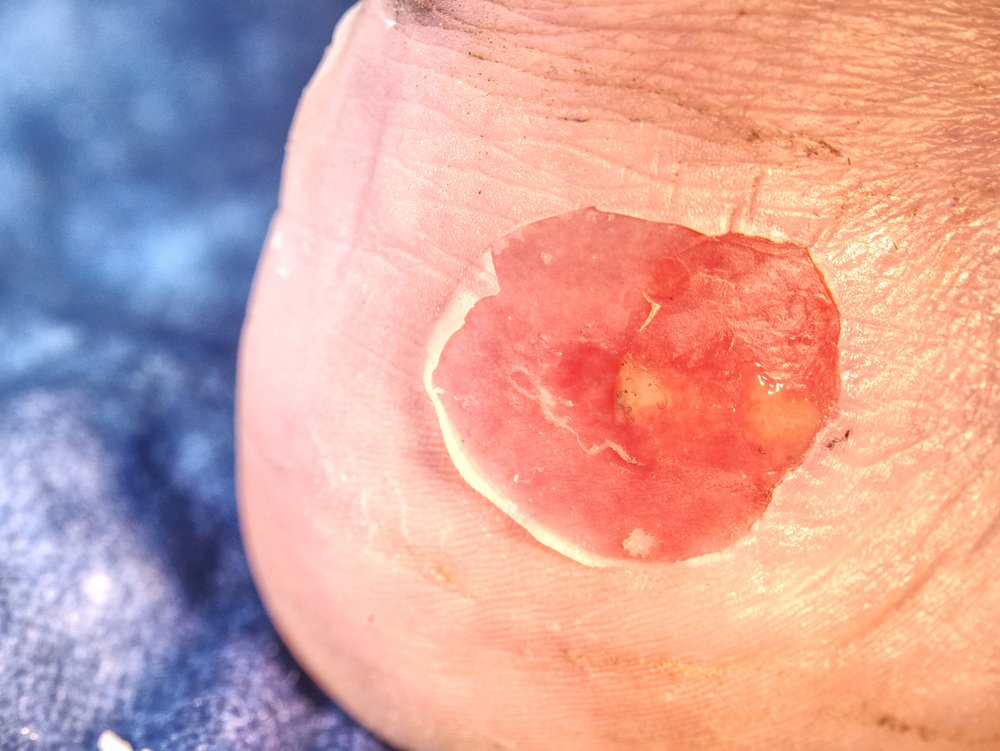
Bed sores (pressure ulcers) are injuries to skin and underlying tissue, ranging from discolored patches to deep craters, caused by prolonged pressure that restricts blood flow. They develop on bony areas like hips, heels, and tailbone in immobile individuals. Treatment involves relieving pressure, cleaning, dressing, and sometimes surgery, while prevention focuses on frequent repositioning. [1, 2, 3, 4, 5]
Key Aspects of Bed Sores:Symptoms: Reddened (or purple/blue on darker skin) skin that doesn’t blanch (turn white) when pressed, warm or spongy/hard skin, pain, itching, blisters, or open wounds.
Stages (Severity):Stage 1: Unbroken skin, discolored, does not blanch.
Stage 2: Broken skin, shallow open sore or blister.
Stage 3: Deep, crater-like ulcer.
Stage 4: Severe damage reaching muscles, bones, or tendons.Causes & Risk Factors: Caused by sitting/lying in one position too long, friction, and shear (skin sliding against sheets). High-risk individuals include those who are bedridden, in wheelchairs, have poor nutrition, reduced mobility, or poor circulation.
Treatment: Immediate pressure relief, keeping the area clean/dry, specialized cushions/mattresses, proper nutrition, and in advanced cases, debridement or surgery.
Prevention: Reposition in bed every 2 hours or in a chair every 15 minutes, use pressure-relieving devices (pillows, foam pads), maintain skin hygiene, and optimize nutrition. [1, 2, 3, 4, 5, 6, 7, 8, 9, 10, 11]It is essential to contact a doctor immediately if you notice signs of infection, such as pus, a foul odor, or increased pain/warmth. [12]
AI can make mistakes, so double-check responses
[1] ufhealth.org/care-sheets/how…
[2] northwell.edu/surgery/condit…
[3] hopkinsmedicine.org/health/c…
[4] youtube.com/watch?v=vidys-iO…
[5] moh.gov.sa/en/HealthAwarenes…
[6] medlineplus.gov/pressuresore…
[7] hopkinsmedicine.org/health/c…
[8] my.clevelandclinic.org/healt…
[9] nhs.uk/conditions/pressure-s…
[10] msktc.org/sci/factsheets/rec…
[11] mayoclinic.org/diseases-cond…
[12] medlineplus.gov/ency/patient…— Michael Novakhov (@mikenov) Mar 6, 2026
Month: March 2026
Current News: #BioWarfare #Flu #FluComplications Systemic fungal infection: “Diagnosis: Often difficult, requiring blood cultures, imaging (CT scans), or tissue biopsies to confirm the infection. These infections carry high mortality rates if diagnosis or treatment is delayed.” – Google Search Systemic fungal infections (systemic mycoses) are severe, … – Articles and Tweets currentnewschannels.blogspot…
— Michael Novakhov (@mikenov) Mar 6, 2026
Categories
South Caucasus
|
||||||||||||||||||||||||||||||||||||||||||||||||||||||||||||||||||||||||||||||||||||||||||||||||||||||||||||||||||||||||||||||||||||||||||||||
|




































|
|||||||||||||||||||||||||||||||||||||||||||||||||||||||||||||||||||||||||||||||||||||||||||||||||||||||||
|


































Treating systemic fungal infections naturally
Natural, evidence-based methods for managing systemic fungal infections (like Candida) focus on dietary changes and potent antifungal herbs. Key strategies include eliminating sugar, adopting a low-carb diet, and using natural compounds like garlic (allicin), coconut oil, oil of oregano, and berberine. Probiotics are essential to restore gut flora. [1, 2, 3, 4, 5]
Natural Antifungal AgentsGarlic: Contains allicin, which disrupts fungal DNA and protein synthesis.
Coconut Oil: Contains caprylic acid, a known antifungal.
Oil of Oregano: Possesses strong antifungal properties.
Grapefruit Seed Extract: Contains flavonoids that inhibit mycelial growth.
Berberine: Found in plants like goldenseal and barberry, acts as a potent antifungal.
Tea Tree Oil: Effective for topical applications.
Apple Cider Vinegar: Helps change pH to combat overgrowth. [1, 2, 3, 4, 6, 7, 8, 9]Dietary and Lifestyle Changes
Low-Sugar Diet: Fungi thrive on sugar, so reducing sugar intake is critical.
Probiotics: Restore healthy bacteria to balance yeast.
Low-Mold Diet: Consume low-mold nuts and seeds (almonds, chia, flax, pumpkin) and healthy fats like olive oil.
Hygiene: Keep the body dry and clean, and wear breathable cotton clothing to prevent moisture buildup. [3, 4, 5, 10, 11]Important ConsiderationsWhile these remedies can support health, they may not be as effective as conventional treatments for severe infections. It is crucial to consult a healthcare professional, especially if the infection persists or worsens. [6, 11]
AI can make mistakes, so double-check responses
[1] pmc.ncbi.nlm.nih.gov/article…
[2] mosaicdx.com/resource/5-herb…
[3] darwin-nutrition.fr/en/tips/…
[4] thecandidadiet.com/guide-to-…
[5] healthline.com/nutrition/5-d…
[6] suncoastskin.com/fungal-skin…
[7] pubmed.ncbi.nlm.nih.gov/1507…
[8] avogel.co.uk/health/skin/fun…
[9] medicalnewstoday.com/article…
[10] drruscio.com/herbal-treatmen…
[11] pharmeasy.in/blog/try-these-…treating systemic fungal infections naturally – Google Search google.com/search?q=treating…
What is the candida diet? | Good Food
— Michael Novakhov (@mikenov) Mar 6, 2026
treating systemic fungal infections naturally
Natural, evidence-based methods for managing systemic fungal infections (like Candida) focus on dietary changes and potent antifungal herbs. Key strategies include eliminating sugar, adopting a low-carb diet, and using natural compounds like garlic (allicin), coconut oil, oil of oregano, and berberine. Probiotics are essential to restore gut flora. [1, 2, 3, 4, 5]
Natural Antifungal AgentsGarlic: Contains allicin, which disrupts fungal DNA and protein synthesis.
Coconut Oil: Contains caprylic acid, a known antifungal.
Oil of Oregano: Possesses strong antifungal properties.
Grapefruit Seed Extract: Contains flavonoids that inhibit mycelial growth.
Berberine: Found in plants like goldenseal and barberry, acts as a potent antifungal.
Tea Tree Oil: Effective for topical applications.
Apple Cider Vinegar: Helps change pH to combat overgrowth. [1, 2, 3, 4, 6, 7, 8, 9]Dietary and Lifestyle Changes
Low-Sugar Diet: Fungi thrive on sugar, so reducing sugar intake is critical.
Probiotics: Restore healthy bacteria to balance yeast.
Low-Mold Diet: Consume low-mold nuts and seeds (almonds, chia, flax, pumpkin) and healthy fats like olive oil.
Hygiene: Keep the body dry and clean, and wear breathable cotton clothing to prevent moisture buildup. [3, 4, 5, 10, 11]Important ConsiderationsWhile these remedies can support health, they may not be as effective as conventional treatments for severe infections. It is crucial to consult a healthcare professional, especially if the infection persists or worsens. [6, 11]
AI can make mistakes, so double-check responses
[1] pmc.ncbi.nlm.nih.gov/article…
[2] mosaicdx.com/resource/5-herb…
[3] darwin-nutrition.fr/en/tips/…
[4] thecandidadiet.com/guide-to-…
[5] healthline.com/nutrition/5-d…
[6] suncoastskin.com/fungal-skin…
[7] pubmed.ncbi.nlm.nih.gov/1507…
[8] avogel.co.uk/health/skin/fun…
[9] medicalnewstoday.com/article…
[10] drruscio.com/herbal-treatmen…
[11] pharmeasy.in/blog/try-these-…treating systemic fungal infections naturally – Google Search google.com/search?q=treating…
What is the candida diet? | Good Food
— Michael Novakhov (@mikenov) Mar 6, 2026
Categories
All News
|
|||||||||||||||||||||||||||||||||||||||||||||||||||||||||||||||||||||||||||||||
|
















#BioWarfare #Flu #FluComplications
Systemic fungal infection:
“Diagnosis: Often difficult, requiring blood cultures, imaging (CT scans), or tissue biopsies to confirm the infection.
These infections carry high mortality rates if diagnosis or treatment is delayed.”
– Google Search google.com/search?q=systemic…
Systemic fungal infections (systemic mycoses) are severe, often life-threatening diseases where fungi invade internal organs, spreading via the bloodstream from primary sites like the lungs or gut. Unlike localized infections, these affect multiple organ systems—commonly the liver, spleen, brain, or kidneys—often in immunocompromised individuals, requiring immediate antifungal therapy. [1, 2, 3, 4, 5]
Key Aspects of Systemic Fungal InfectionsPathogens: Common causes include Candida species (causing candidemia) and Aspergillus (causing invasive aspergillosis), as well as endemic fungi like Histoplasma or Cryptococcus.
Causes: They usually occur in immunocompromised patients (HIV/AIDS, chemotherapy, transplant recipients) or from invasive medical devices (lines, tubes).
Symptoms: Often non-specific, including high fever, chills, fatigue, and muscle pain, sometimes leading to sepsis.
Treatment: Requires intravenous or oral antifungal medications, with growing concerns over antifungal resistance (e.g., Candida auris).
Diagnosis: Often difficult, requiring blood cultures, imaging (CT scans), or tissue biopsies to confirm the infection. [1, 2, 4, 6, 7, 8, 9, 10, 11]Common Types
Invasive Candidiasis: Candida entering the bloodstream (candidemia).
Invasive Aspergillosis: A mold infection typically starting in the lungs.
Cryptococcosis: Often affects the central nervous system, causing meningitis. [1, 2, 3, 12, 13]These infections carry high mortality rates if diagnosis or treatment is delayed. [1]
AI can make mistakes, so double-check responses
[1] sciencedirect.com/science/ar…
[2] amboss.com/us/knowledge/over…
[3] sciencedirect.com/topics/nur…
[4] dermnetnz.org/topics/skin-ma…
[5] sciencedirect.com/science/ar…
[6] libguides.mskcc.org/infectio…
[7] cancernetwork.com/view/overv…
[8] pubmed.ncbi.nlm.nih.gov/1121…
[9] ebsco.com/research-starters/…
[10] cdc.gov/candidiasis/about/in…
[11] sepsis.org/sepsisand/fungal-…
[12] my.clevelandclinic.org/healt…
[13] sciencedirect.com/topics/pha…— Michael Novakhov (@mikenov) Mar 6, 2026
systemic fungal infection – Google Search google.com/search?q=systemic…
Systemic fungal infections (systemic mycoses) are severe, often life-threatening diseases where fungi invade internal organs, spreading via the bloodstream from primary sites like the lungs or gut. Unlike localized infections, these affect multiple organ systems—commonly the liver, spleen, brain, or kidneys—often in immunocompromised individuals, requiring immediate antifungal therapy. [1, 2, 3, 4, 5]
Key Aspects of Systemic Fungal InfectionsPathogens: Common causes include Candida species (causing candidemia) and Aspergillus (causing invasive aspergillosis), as well as endemic fungi like Histoplasma or Cryptococcus.
Causes: They usually occur in immunocompromised patients (HIV/AIDS, chemotherapy, transplant recipients) or from invasive medical devices (lines, tubes).
Symptoms: Often non-specific, including high fever, chills, fatigue, and muscle pain, sometimes leading to sepsis.
Treatment: Requires intravenous or oral antifungal medications, with growing concerns over antifungal resistance (e.g., Candida auris).
Diagnosis: Often difficult, requiring blood cultures, imaging (CT scans), or tissue biopsies to confirm the infection. [1, 2, 4, 6, 7, 8, 9, 10, 11]Common Types
Invasive Candidiasis: Candida entering the bloodstream (candidemia).
Invasive Aspergillosis: A mold infection typically starting in the lungs.
Cryptococcosis: Often affects the central nervous system, causing meningitis. [1, 2, 3, 12, 13]These infections carry high mortality rates if diagnosis or treatment is delayed. [1]
AI can make mistakes, so double-check responses
[1] sciencedirect.com/science/ar…
[2] amboss.com/us/knowledge/over…
[3] sciencedirect.com/topics/nur…
[4] dermnetnz.org/topics/skin-ma…
[5] sciencedirect.com/science/ar…
[6] libguides.mskcc.org/infectio…
[7] cancernetwork.com/view/overv…
[8] pubmed.ncbi.nlm.nih.gov/1121…
[9] ebsco.com/research-starters/…
[10] cdc.gov/candidiasis/about/in…
[11] sepsis.org/sepsisand/fungal-…
[12] my.clevelandclinic.org/healt…
[13] sciencedirect.com/topics/pha…— Michael Novakhov (@mikenov) Mar 6, 2026
|
|||||||||||||||||||||||||||||||||||||||||||||||||||
|