|
||||||||||||||||||||||||||||||||||||||||||||||||||||||||||||||||||||||||||
|









 The News And Times Review - NewsAndTimes.org
|
||||||||||||||||||||||||||||||||||||||||||||||||||||||||||||||||||||||||||
|
|
|||||||||||||||||||||||||||||||||||||||||||||||||||||||||||||||||||||||||||||||||||||||
|
Ukraine demonstrates tactical innovation in drone warfare while striking deep into Russian territory, exposing vulnerabilities in Moscow’s defenses. Meanwhile, political divisions over sanctions and territorial concessions intensify as the G7’s unified stance on Ukraine faces challenges from shifting U.S. leadership priorities. Separately, the U.S. intelligence community undergoes leadership transitions amid revelations about COVID-19 origins and bureaucratic resistance, signaling heightened scrutiny of past actions.
Ukraine adapts air combat tactics to counter Russian drone threats — A Ukrainian MiG-29 successfully downed a Russian Shahed drone using an R-27 air-to-air missile, suggesting an evolution in air defense strategies to counter low-cost unmanned systems. This may indicate broader shifts in resource allocation and tactical flexibility amid prolonged conflict.
Ukrainian strikes on Moscow refinery expose Russian air defense gaps — Repeated Ukrainian attacks on Moscow, including a second strike on the city’s oil refinery in two days, have prompted Russian milbloggers to question domestic air defense capabilities and government censorship. The strikes highlight Ukraine’s growing ability to penetrate heavily defended Russian rear areas, potentially eroding public confidence in the Kremlin’s war narrative.
G7 unity on Ukraine tested by U.S. political divisions — The G7’s Evian statement reaffirmed support for Ukraine’s territorial integrity but revealed limited progress in pressuring Russia, with only one mention of the aggressor state. Contrasting U.S. political positions, including calls for territorial concessions and eased sanctions, may undermine collective efforts to isolate Russia economically and militarily.
DNI Gabbard exposes Fauci’s role in COVID-19 research funding and cover-up — On her final day as Director of National Intelligence, Tulsi Gabbard released documents showing Dr. Fauci’s involvement in funding gain-of-function research at the Wuhan lab and subsequent efforts to suppress the lab-leak theory. The disclosures, tied to the COVID Origins Act of 2023, signal a shift toward transparency in intelligence operations and accountability for past bureaucratic decisions.
Religious conversion and polygamy spark cultural debates in U.S. — A Colorado Islamic scholar’s public defense of polygamous marriage and the conversion of a Dallas evangelical church into a Dawah seminary highlight growing tensions over religious practices and cultural integration. The case may reflect broader societal discussions about pluralism, legal recognition of polygamy, and the intersection of faith and public space.

|
|
||||||||||||||||||||||||||||||||||||||||||||||||||||||||||||||||||||||||||||||||||||||||||||||
|
#CIA
#Russia‘s #AI ambitions stymied by chip shortages — Despite Putin’s push for AI sovereignty, Russia’s lack of domestic chip production poses a critical obstacle. The country’s technological isolation may hinder its long-term competitiveness in artificial intelligence.
share.google/aimode/szJ9x2xx…
Russian President Vladimir Putin is rapidly shifting Russia’s economic, domestic security, and foreign policies to navigate a grueling battlefield stalemate in Ukraine, a severe domestic fiscal crisis, and tightening Western isolation. Confronting unprecedented geoeconomic coercion, the Kremlin is pivoting toward a highly militarized domestic economy, expanding autocratic control at home, and executing transactional, chaos-driven foreign policies in the Global South to preserve strategic autonomy. [1, 2, 3, 4, 5]🏛️ Domestic Strains: Militarization and Extreme Isolation [6, 7]
Putin’s domestic calculations have dramatically altered as the economic and political costs of the war catch up to ordinary citizens and elites alike. [8, 9]
┌──────────────────────────────────────────────────────────┐
│ THE PILLARS OF PUTIN’S DOMESTIC SHIFT │
├────────────────────────────┬─────────────────────────────┤
│ 🛠️ Defense-Based Economy │ • Defense spending consumes nearly half of budget│
│ │ • 5.1% of entire labor force in military complex │
├────────────────────────────┼─────────────────────────────┤
│ 📉 Severe Fiscal Crisis │ • 6 trillion ruble deficit in first 5 months of 2026│
│ │ • Running currency printing presses at full speed │
├────────────────────────────┼─────────────────────────────┤
│ 🔒 Kremlin Security Lock │ • Putin breaks record with 196+ days of no travel│
│ │ • Total internet blocks and rising elite discontent│
└────────────────────────────┴─────────────────────────────┘The Defense-Based Trap: Russia is undergoing a profound structural transformation. Over 3.5 million Russians now work for the military-industrial complex, taking up 5.1% of the entire workforce. This heavy reliance on war spending creates an economic trap: the Kremlin risks economic collapse if it stops fighting. [4, 10, 11, 12, 13]
A Bleeding Budget: According to data compiled by Bloomberg, Russia’s budget deficit soared to 6 trillion rubles ($81 billion) in just the first five months of 2026, blowing past the full-year target. To keep the economy afloat, the state is forcing domestic banks to buy government debt and running currency printing presses at high speed, sparking major inflation fears. [9, 14]
The Broken Social Contract: For years, ordinary Russians could ignore the war if daily life remained stable. Now, skyrocketing inflation, internet shutdowns, and steep tax hikes have caused highly visible public frustration. [2, 8]
Paranoia and the Record Travel Freeze: Fearing targeted drone strikes and internal elite coups, Putin has shattered his personal record by not leaving Moscow-linked areas for over 196 consecutive days. Security measures have tightly locked down Kremlin officials as elite disillusionment over battlefield failures grows. [15, 16]
🌐 Global Strategy: The Multi-Polar Pivot and Transactional Alliances
On the world stage, Putin is leaning heavily into a “distributed, multipolar system” explicitly designed to bypass Western technology, logistics, and financial networks. [1, 4]🇨🇳 Deepening, Unequal China Dependence
While Beijing has proven to be an indispensable lifesaver by providing alternative technology, payment systems, and commodity markets, the relationship is increasingly asymmetrical. During high-profile diplomatic summits, Chinese leader Xi Jinping has projected strategic solidarity with Putin, yet a crucial, long-delayed natural gas pipeline agreement remains elusive, showing that Beijing prioritizes its own commercial interests over Russia’s urgent financial needs. [1, 2, 3, 17, 18]🌏 Cultivating the Global South and ASEAN
Faced with total exclusion from Western institutions, the Kremlin is aggressively targeting new power centers in Asia. Putin is directly pitching long-term energy contracts for oil, liquefied gas, and peaceful nuclear technology to ASEAN nations like Laos and Vietnam to insulate Russia from Western oil price caps and expanding European sanctions. [5, 19, 20, 21]🌪️ Embracing Geopolitical Chaos
The next generation of the Kremlin elite has effectively accepted that Russia has no future in Western decision-making. As a result, Russia’s strategy has shifted toward weaponizing global instability. By stepping back from stabilizing troubled regions, the Kremlin aims to let the West absorb the costs of international disorder while forging highly opportunistic, transactional ties with any nation willing to hedge against U.S. dominance. [5, 22]
[1] cirsd.org
[2] msn.com
[3] rss.app
[4] youtube.com[5] cirsd.org
[6] raport.valisluureamet.ee
[7] facebook.com
[8] theguardian.com
[9] newsukraine.rbc.ua
[10] recordedfuture.com
[11] foreignaffairs.com
[12] uatv.ua
[13] facebook.com[14] hudson.org
[15] msn.com
[16] msn.com
[17] action.alz.org
[18] steptoe.com
[19] facebook.com
[20] controlrisks.com
[21] instagram.com
[22] modernghana.com— Michael Novakhov (@mikenov) Jun 19, 2026
|
|||||||||||||||||||||||||||||||||||||||||||||||||||||||||||||||||||
|

|
|
||||||||||||||||||||||||||||||||||||||||||||||||||||||||||||||||||||||||||||||||||||||||||||||||||||||||||||||||||||||||||||||||||||||||||||||||||||||||||||
|
Recent developments highlight Vladimir Putin’s efforts to strengthen ties with Southeast Asia and Iran while facing domestic vulnerabilities, including drone strikes on Moscow and declining public trust. Russia’s push for AI sovereignty is hampered by chip shortages, underscoring its technological isolation. These moves suggest a recalibration of alliances amid geopolitical tensions and internal challenges.
Drone strikes target Moscow refineries, exposing Putin’s vulnerabilities — Multiple drone attacks on Moscow’s refineries and infrastructure reveal gaps in Russia’s defensive capabilities, challenging perceptions of Putin’s invulnerability. The strikes may indicate escalating internal or external threats to his regime.
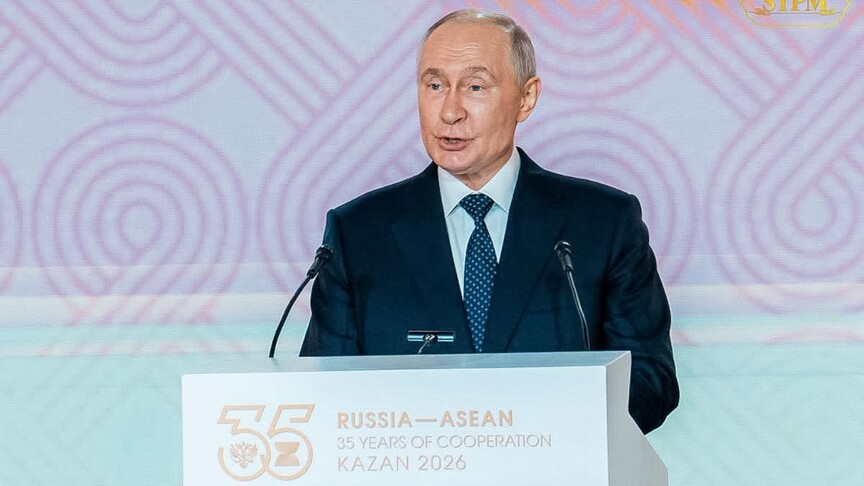
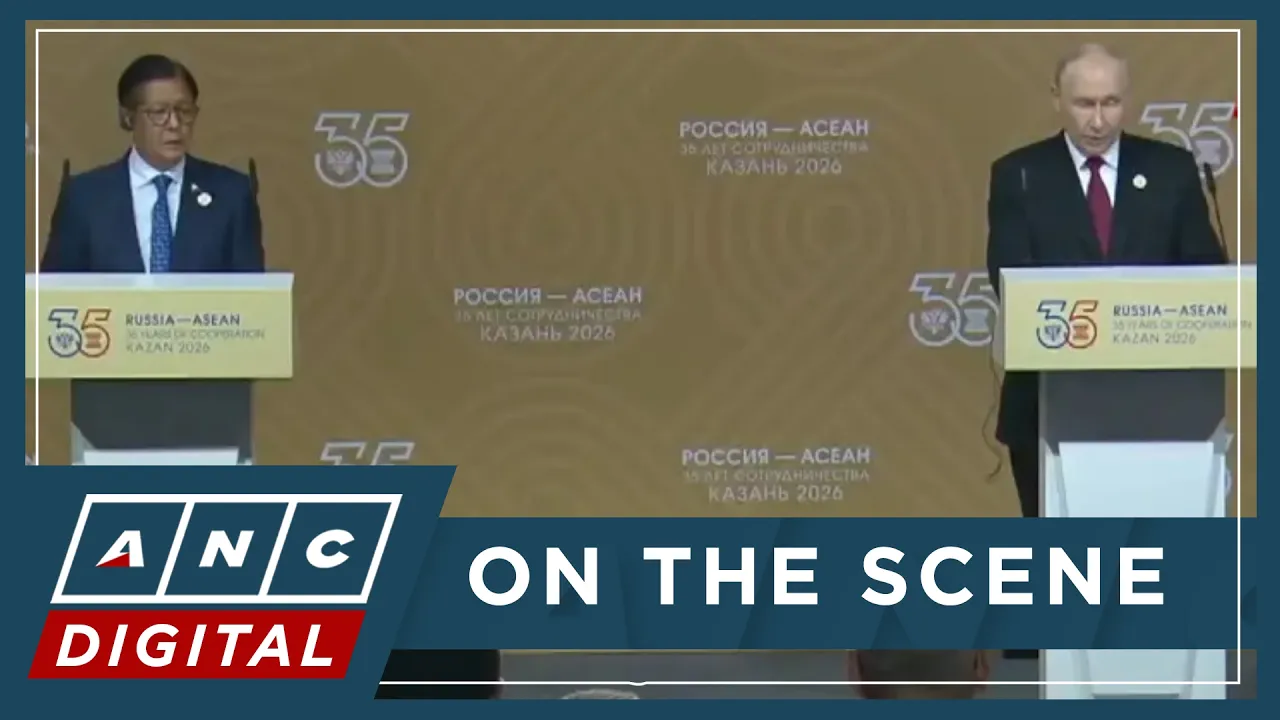
Putin bolsters ties with ASEAN amid U.S. unpredictability — At a summit in Kazan, Putin emphasized strengthening economic and political relations with Southeast Asian nations, positioning Russia as a counterbalance to Western influence. Leaders from the region, including Singapore, appear to be recalibrating alliances in response to perceived U.S. instability.
Russia’s AI ambitions stymied by chip shortages — Despite Putin’s push for AI sovereignty, Russia’s lack of domestic chip production poses a critical obstacle. The country’s technological isolation may hinder its long-term competitiveness in artificial intelligence.
Putin deepens military cooperation with Iran amid global scrutiny — A recent deal involving night vision technology between Russia and Iran signals closer military ties, potentially reshaping regional dynamics. The agreement may complicate U.S. efforts to broker peace in the Middle East.
Declining public trust in Putin fuels domestic uncertainty — Reports of eroding confidence in Putin among Russians suggest growing dissatisfaction with his leadership. This trend may exacerbate internal instability as external pressures mount.
World News – 2024 – Video Playlist | Video Playlists | Sites: | newsandtimes.org | links-newsandtimes.com | worldwebtimes.com | southcaucasusnews.com | russianworld.net | jossica.com | octobersurprise2016.org | bklyntimes.com | oceanavenuenews.com | fbireform.com | bloggersunite.net | octobersurprise-2024.org | Trump-News.org | Audio-Posts.com | Bklyn-NY.com | Posts Review – newsandtimes.org | Capitol-Riot.com |
The News And Times Review – NewsAndTimes.org