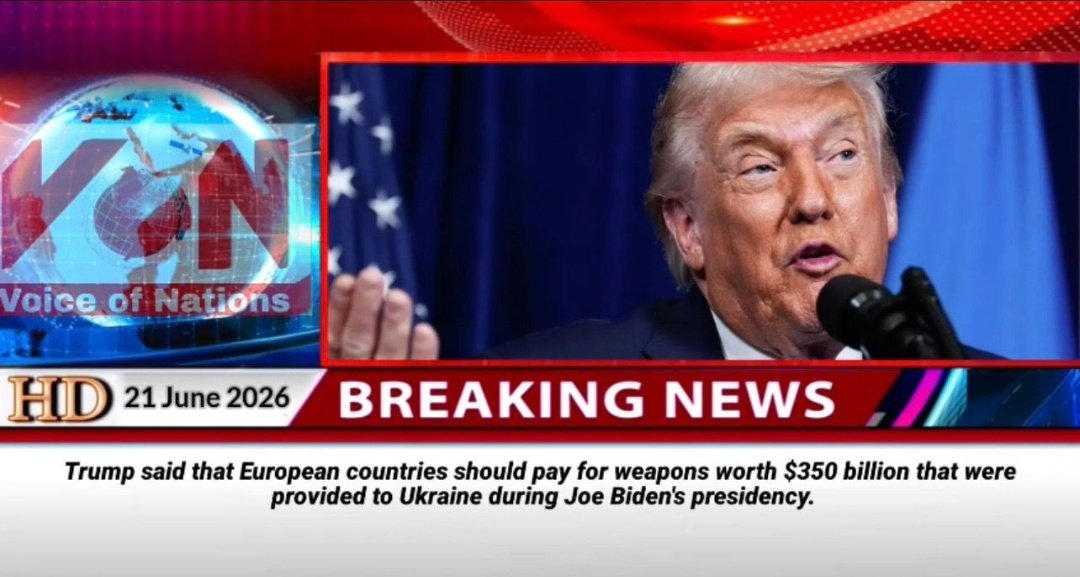
#CIA: #Netanyahu and #Trump
Netanyahu’s Trump gamble backfires as Israel faces diplomatic isolation
— Israeli Prime Minister Netanyahu’s alignment with Trump has left Israel vulnerable amid shifting U.S. priorities, with critics arguing the strategy failed to secure long-term stability or leverage.
Global Shifts in Security, Diplomacy, and Conflict Reshape Geopolitics rss.app/brief/posts/eb8211ee…— Michael Novakhov (@mikenov) Jun 21, 2026
Day: June 21, 2026
Netanyahu and Trump – Google Search google.com/search?q=Netanyah…
— Michael Novakhov (@mikenov) Jun 21, 2026
Summary
Recent developments highlight escalating tensions and strategic realignments across global hotspots, from U.S.-Iran negotiations easing Middle East conflicts to Ukraine’s drone warfare disrupting Russian supply lines. FBI operations underscore persistent threats, including fraud and unauthorized surveillance, while U.S. political figures propose radical shifts in regional control, signaling potential policy upheavals.
Key Stories
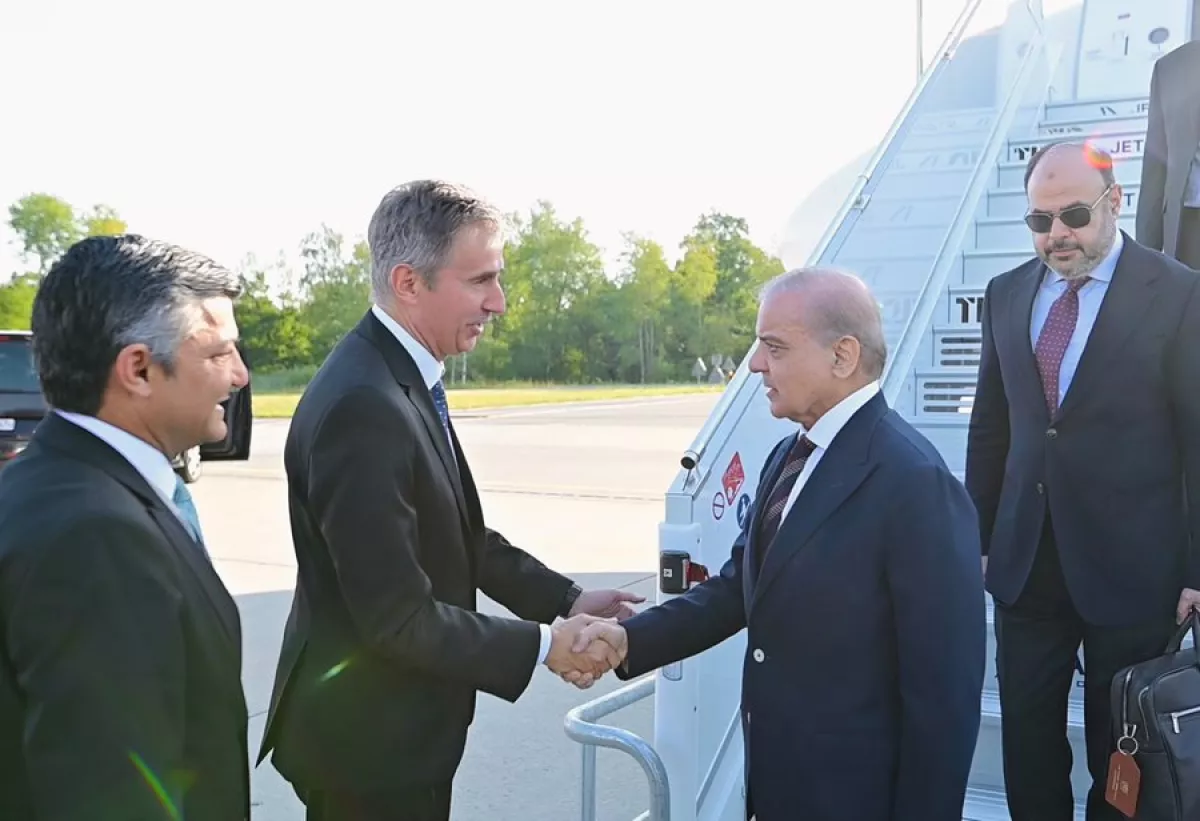
U.S.-Iran talks advance with Qatar mediation, easing regional tensions — High-level negotiations in Switzerland, led by U.S. Vice President JD Vance and mediated by Qatar, suggest progress toward reducing uranium enrichment and lifting port blockades, marking a potential de-escalation in Middle East conflicts. Pakistan’s growing diplomatic role is also noted.
Ukraine intensifies drone warfare, crippling Russian fuel supplies in Crimea — Ukrainian forces have targeted fuel depots in Russian-occupied Crimea, triggering an energy crisis and halting civilian gasoline sales. Drones are now delivering supplies to frontline troops, reflecting a shift toward unmanned systems amid hazardous conditions.
FBI disrupts fraud and surveillance threats amid global events — The FBI arrested a $1.2B Medicare fraud fugitive in the Philippines, its second capture from a Most Wanted Fraudsters list. Separately, 11 drones were seized near Seattle’s World Cup stadium, raising security concerns during high-profile events.
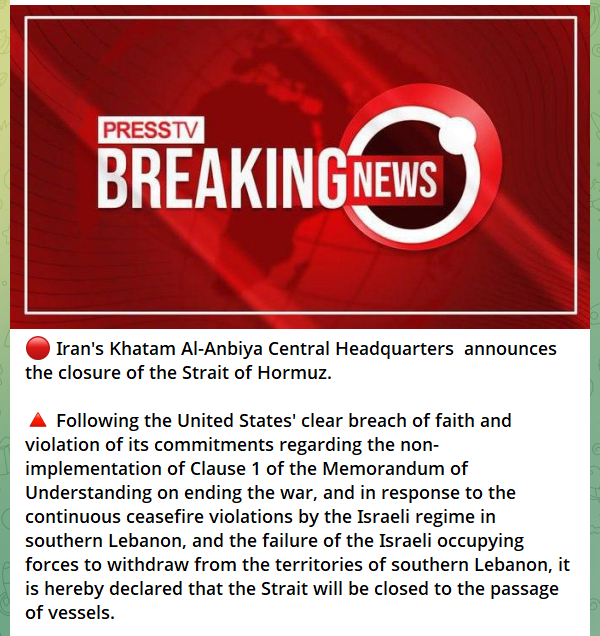
U.S. political leaders propose bold Middle East policy shifts — Former President Trump suggested the U.S. could control the Strait of Hormuz, imposing tolls and seizing oil, while JD Vance expressed optimism about Lebanon negotiations. These remarks may indicate a pivot toward assertive regional dominance.
Netanyahu’s Trump gamble backfires as Israel faces diplomatic isolation — Israeli Prime Minister Netanyahu’s alignment with Trump has left Israel vulnerable amid shifting U.S. priorities, with critics arguing the strategy failed to secure long-term stability or leverage.
Summary
High-level US-Iran negotiations in Switzerland, mediated by Qatar and facilitated by Pakistan, signal potential de-escalation in the Middle East conflict, including reported agreements to reduce uranium enrichment and lift port blockades. Meanwhile, US Vice President JD Vance’s praise for Pakistan’s military leadership underscores Islamabad’s growing diplomatic role, while unrelated crises—such as a fire at a Polish aerosol plant and Istanbul’s drone-based taxi enforcement—highlight persistent regional and global disruptions.
Key Stories
US-Iran talks advance with Qatari mediation and Pakistani diplomacy — Trilateral negotiations in Switzerland, led by US Vice President JD Vance and Iranian officials, produced agreements to reduce uranium enrichment levels and lift naval blockades, with Qatar and Pakistan playing key mediating roles. Vance’s public praise for Pakistan’s Army Chief Asim Munir suggests Islamabad’s influence in brokering regional stability.
Vance highlights progress toward Lebanon ceasefire amid regional tensions — US Vice President JD Vance announced significant progress toward securing a full regional ceasefire in Lebanon, citing President Trump’s commitment. The statement follows recent negotiations but contrasts with reports of continued Israeli attacks, indicating fragile diplomatic gains.
Major fire at Polish aerosol plant triggers evacuations — A large-scale fire erupted at an aerosol manufacturing facility in Poland’s Pomeranian Voivodeship, prompting evacuations and raising concerns about industrial safety and environmental hazards. Authorities have not yet disclosed the cause or extent of the damage.
Istanbul deploys drones to enforce taxi regulations — Istanbul authorities are using drones to monitor taxi operations in central districts, aiming to improve compliance with traffic and licensing rules. The initiative reflects broader trends in urban surveillance and automated law enforcement.
Cybersecurity tools gain attention amid subdomain exposure risks — Security experts highlight the use of tools like ANDRAX to identify publicly exposed subdomains, emphasizing their role in authorized security assessments. The focus underscores growing concerns about digital reconnaissance and vulnerability management.
Categories
Sites

|
|||||||||||||||||||||||||
|



Categories
Sites
|
|||||||||||||||||||||||||
|
Categories
Security and Intelligence

|


Categories
Security and Intelligence
|
|||||||||||||||||||||||||||||||||||||||||||||||||||||||||||||||||||||||||||||||||||||||||||||||
|











#CIA
Global #security and #Intelligence News Review
Ukraine Escalates Drone Warfare Targeting Russian Fuel Supplies.
Poland throws wrench in Russia-Ukraine peace talks.
Audio Posts: globalsecuritynews.org/
x.com/mikenov/status/2068652…
Russia and Ukraine remain locked in stalemate — With Poland’s veto threat and Ukraine’s military actions, any progress toward peace talks seems stalled as both Russia and Ukraine show no signs of backing down.Michael Novakhov (@mikenov)Nova Poshta – AI #News Review:
AI Brief
#Ukraine Escalates #DroneWarfare Targeting Russian Fuel Supplies
Sunday, June 21, 2026 – 5:57 AM
Summary
Ukraine has intensified drone strikes on Russian oil infrastructure, extending attacks deep into Russian territory and disrupting fuel supplies in occupied Crimea. The strategy aims to degrade Russia’s logistical capacity and reshape the war’s dynamics by choking supply lines far behind front lines. These developments suggest a shift toward long-range asymmetric warfare with potential economic and military implications.
Key StoriesUkraine strikes major Russian oil refinery 2,000 km from border — Ukrainian drones targeted the Tyumen oil refinery in Russia’s Ural region, one of the country’s largest privately owned facilities, though preliminary reports indicate no damage. The attack demonstrates Ukraine’s expanding reach and ability to threaten critical energy infrastructure far from conflict zones.
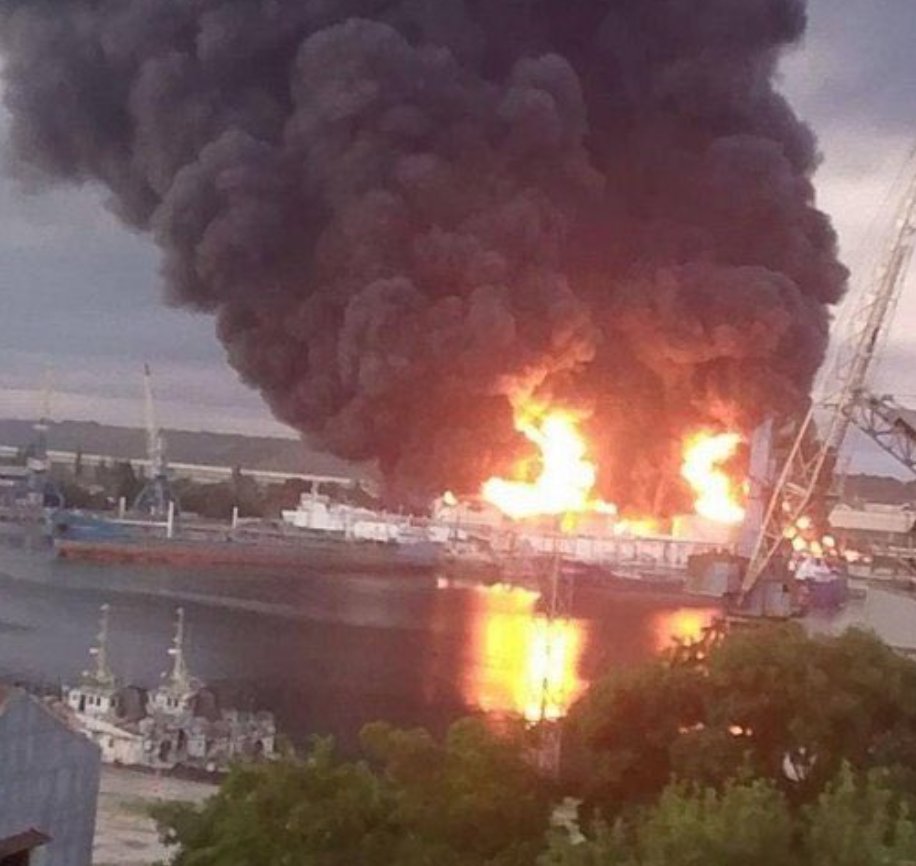
Crimea halts civilian gasoline sales amid Ukrainian fuel depot attacks — Officials in Russian-occupied Crimea suspended civilian gasoline sales following Ukrainian strikes on fuel depots, including a fiery explosion at a Kerch Strait port. The move highlights growing disruptions to daily life in occupied territories as Ukraine targets supply chains.Ukraine’s drone commander apologizes to civilians after Kerch strike — Commander Robert Brovdi released footage of a Ukrainian drone strike on an oil terminal in Kerch, apologizing to civilians in occupied territories for air-raid warnings and stress. The statement reflects Ukraine’s efforts to balance military objectives with humanitarian concerns.
New drone strategy reshapes war by choking Russian supply lines — Ukraine’s expanded use of long-range drones is targeting bridges, fuel convoys, and transport routes deep behind enemy lines, making it harder for Russia to sustain its southern offensive. The approach marks a strategic evolution in asymmetric warfare tactics.
-— https://x.com/mikenov/status/2068652169985720383— Michael Novakhov (@mikenov) Jun 21, 2026
Categories
Russia and Ukraine

|