OSINT Uncovers Shifting Warfare, Maritime Tensions, and Hybrid Threats rss.app/brief/posts/3265380a…
AI Brief
Open-source intelligence reveals escalating maritime hybrid tactics, including Iran’s de facto control of the Strait of Hormuz and Russia’s propaganda-driven territorial claims in Ukraine. Emerging OSINT tools and AI integration signal a rapid evolution in intelligence gathering, while drone warfare dynamics in Ukraine show tactical adaptations and supply constraints.
Key StoriesIran asserts maritime dominance in Strait of Hormuz amid shipping rerouting — OSINT tracking shows nearly all commercial vessels abandoned the U.S.-backed southern corridor in favor of Iran’s northern route, with multiple ships reversing course or switching lanes. Reports indicate the IRGC has effectively closed the Omani waters corridor, signaling a strategic shift in regional control.
Russia’s territorial claims in Ukraine exposed as inflated by 1,900 sq km — OSINT analysts cross-referenced Russian military maps presented to Putin with DeepState data, revealing a 1,900 sq km discrepancy in claimed advances. The pattern suggests deliberate misinformation to bolster domestic propaganda and morale among Russian generals.Ukraine drone strikes disrupt Crimea operations, targeting airbases and infrastructure — Overnight drone attacks forced the temporary closure of the Kerch Bridge and struck Belbek airbase, destroying a Russian MiG-29. OSINT monitoring confirms fires at multiple strategic sites, indicating Ukraine’s growing ability to project force into occupied territories.
Shahed drone attacks on Ukraine decline in frequency and scale — OSINT researchers note a reduction in Shahed kamikaze drone launches and longer intervals between large-scale attacks. The shift may indicate supply chain disruptions, tactical reallocation, or improved Ukrainian interception capabilities.
AI and automation accelerate OSINT tool development for security and intelligence — New open-source tools integrate AI to automate OSINT workflows, including 18-tool frameworks and real-time conflict dashboards. These advancements suggest a democratization of intelligence capabilities but raise concerns about misinformation and operational security risks.
–— Michael Novakhov (@mikenov) Jul 4, 2026

Summary
Ukraine’s deep strikes into Russian territory and urgent pleas for advanced air defenses suggest a strategic pivot to disrupt Russian logistics and morale. Russian rhetoric and military posturing indicate a hardened stance, while internal Iranian tensions and NATO warnings point to broader regional instability. The conflict’s expansion may test Western resolve and reshape long-term security frameworks.
Key Stories
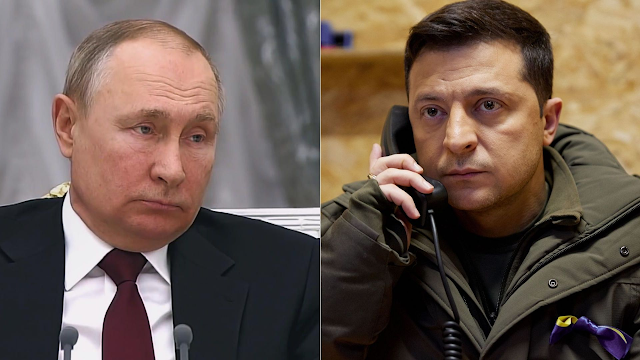
Ukraine strikes oil infrastructure near St. Petersburg, exposing Russian vulnerabilities — Zelenskyy confirmed Ukraine’s long-range drone strikes targeted oil depots and military sites near St. Petersburg, marking a significant escalation. The attacks, penetrating 850km into Russian territory, highlight Ukraine’s growing ability to disrupt critical supply chains and challenge Moscow’s narrative of invulnerability.
Zelensky requests Patriot missiles from Germany amid disputed territorial claims — Ukraine’s president formally asked Germany for Patriot systems while denying Russian assertions of capturing Kostiantynivka. The conflicting narratives underscore Ukraine’s urgent need for air defenses as Russia intensifies offensive operations and propaganda efforts.
Putin’s military uniform appearance signals uncompromising stance on Ukraine — Russian officials framed Putin’s public appearance in military attire as a declaration of total war against Ukraine. Foreign Ministry spokeswoman Zakharova emphasized Russia’s refusal to negotiate, suggesting a shift toward prolonged conflict and potential expansion of military objectives.
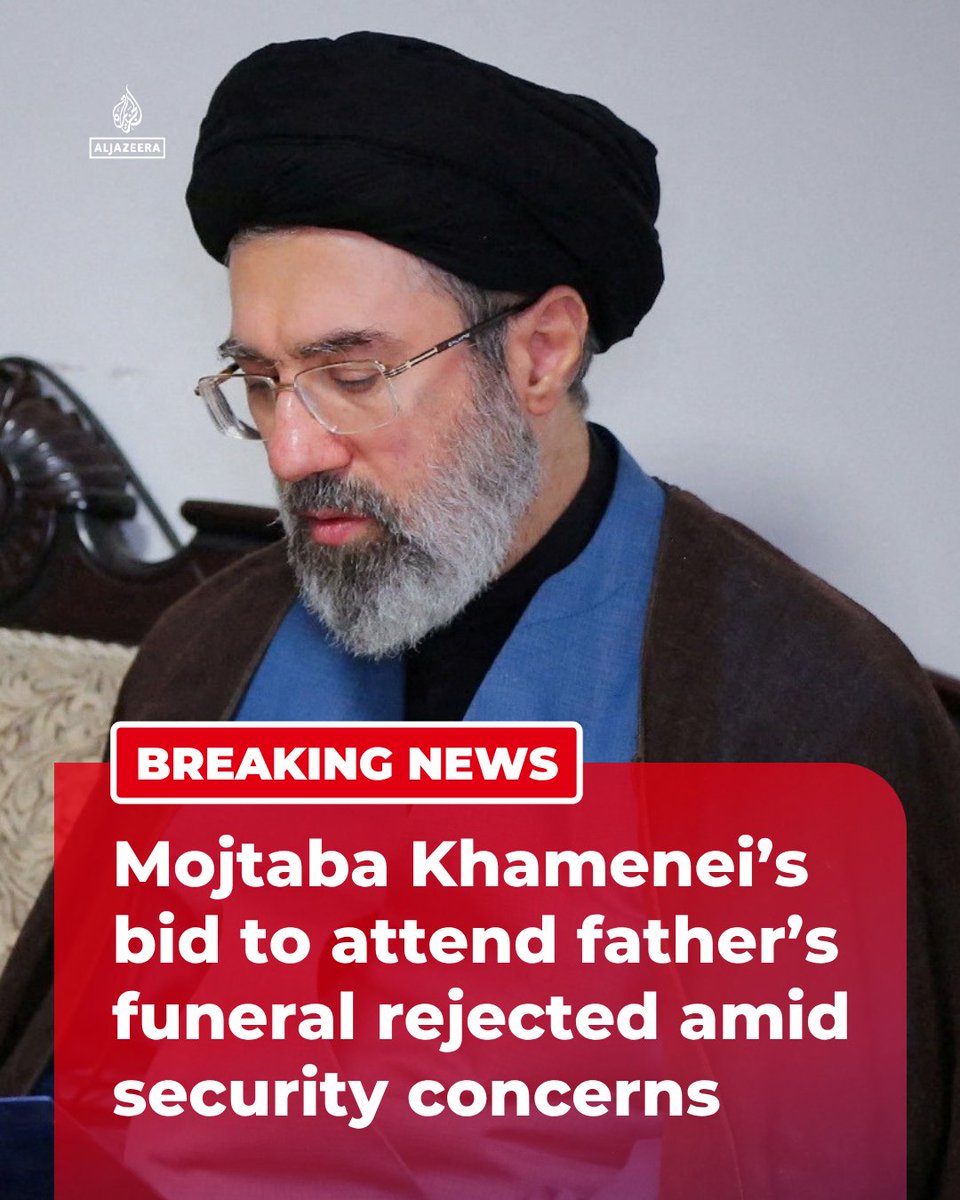
Iran’s leadership succession tensions raise regional instability concerns — Mojtaba Khamenei’s denied request to attend his father’s funeral amid assassination fears reveals internal power struggles within Iran’s Revolutionary Guard. The incident may indicate heightened vulnerability in Tehran’s leadership, with potential ripple effects on its proxy conflicts and nuclear ambitions.
NATO warns of Russian aggression risks against Poland, urges preemptive deterrence — Analysts suggest Russia may be preparing hybrid provocations against NATO members, with Poland as a likely target. Calls for immediate, disproportionate responses to any attack reflect growing concerns that Moscow’s calculus could trigger direct Western military involvement.