The Epistemological Gap: The administration has consistently dismissed deeper allegations regarding these origins by pointing to a lack of concrete proof. However, when evaluating the opaque operational histories of elite, transnational networks like Epstein’s, it is understood that an absence of evidence often simply means the information is not presently and publicly accessible, rather than serving as a definitive exoneration. The release of further files could easily alter the evidentiary landscape.
Chats
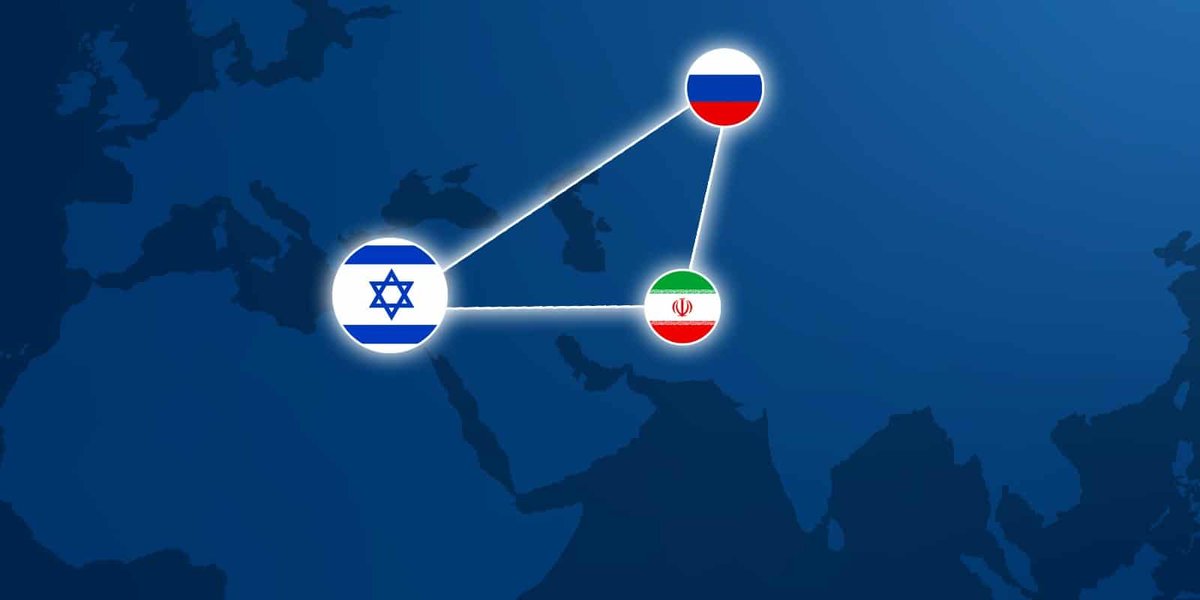
Geopolitical Triangle: Power, Personology, and Puzzles
Melania Trump makes surprise address to deny Epstein links — The First Lady delivered an unusual six-minute speech from the White House to firmly deny being friends with Jeffrey Epstein or Ghislaine Maxwell, calling the claims baseless lies.
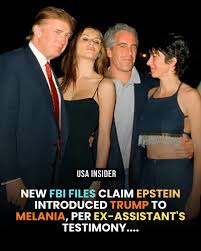
FBI documents contradict official story of how the Trumps met — A 2026 leak of FBI files suggests Epstein may have introduced the couple, challenging the long-standing story that they met by chance at a 1998 party.
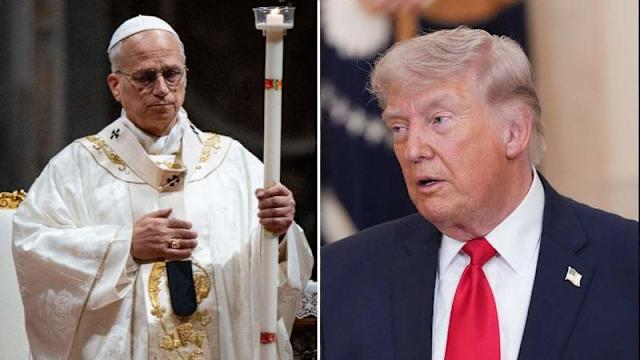
Religious and moral tensions rise ahead of 2026 midterms — Political analysts are eyeing vulnerabilities for the administration as a public conflict with the Pope and questions about the First Lady’s past become campaign focal points.
Conspiracy theories swirl involving Mossad and the FBI — Unverified claims regarding hacked intelligence files have surfaced online following the First Lady’s speech, though no official agencies have confirmed their existence.
TL;DR
First Lady Melania Trump is pushing back against newly released FBI documents that suggest a closer connection to Jeffrey Epstein than previously admitted. This comes at a tense time as the White House also navigates a growing rift with the Vatican ahead of the 2026 midterms.
Leaked FBI files challenge Melania Trumps origin story — A 2019 FBI interview summary suggests Jeffrey Epstein introduced the Trumps in the 1990s, directly contradicting Melania Trumps public denial and her account of meeting Donald by chance in 1998.
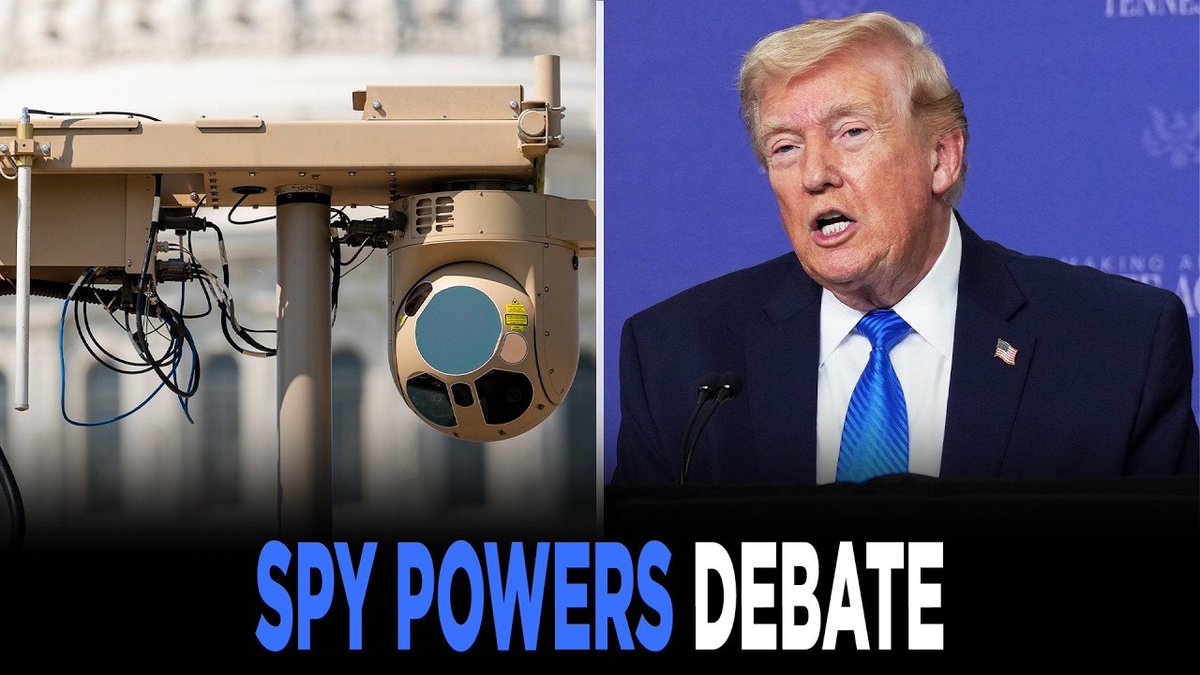
Lawmakers clash over FISA surveillance renewal — Congress is deeply divided over renewing the FISA Section 702 program by April 20, with Donald Trump now pushing for an extension while a bipartisan group of senators warns of threats to American privacy.
FBI dismantles major global phishing network — In a joint operation with Indonesian police, the FBI shut down W3LL, a sophisticated cybercrime platform responsible for over 20 million dollars in attempted fraud and targeting 17,000 victims.
Sebastian Gorka eyes top counterterrorism role — Trump national security aide Sebastian Gorka is seeking to lead the National Counterterrorism Center, a move that would grant him significant authority over the nations counterterrorism efforts.
TL;DR
Newly leaked FBI files are fueling a public dispute over how Melania and Donald Trump first met, while Congress faces a tense deadline over renewing major federal spying powers. These developments come alongside a massive international law enforcement win against a global phishing network.
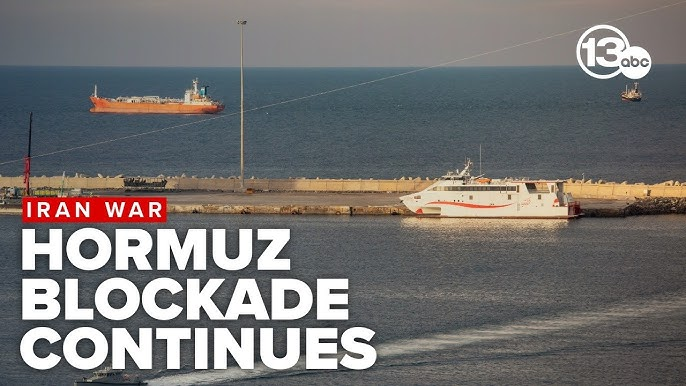
Naval blockade tightens economic pressure — Following a breakdown in peace talks, the U.S. began a total blockade of the Strait of Hormuz on April 13, successfully stopping all shipping traffic on its first day.
High human cost reported in Operation Epic Fury — The conflict has seen over 6,000 Iranian military deaths and 1,701 civilian casualties, while the U.S. reports 15 service members killed and nearly 400 wounded since February.
Counterintelligence efforts surge globally — Federal authorities have ramped up arrests for state-sponsored espionage, including charges against a former Army employee for leaking classified data and disruptions of Russian DNS hijacking networks.
Global geopolitical shifts and energy crisis — The closure of major shipping lanes has triggered a global energy crisis and led Five Eyes partners to reconsider intelligence-sharing protocols due to shifting U.S. administrative policies.
TL;DR
The conflict in Iran has entered a tense seventh week with a fragile ceasefire in place while the U.S. enforces a naval blockade on the Strait of Hormuz. Despite the pause in direct combat, President Trump suggests the war is nearly over as diplomatic talks are expected to resume in Pakistan.
U.S. Blockades Iran While Eyeing New Talks
Key Stories
U.S. military confirms total Iranian port blockade — The military claims commercial trade with Iran has completely halted after naval forces successfully blocked key maritime routes and ports.
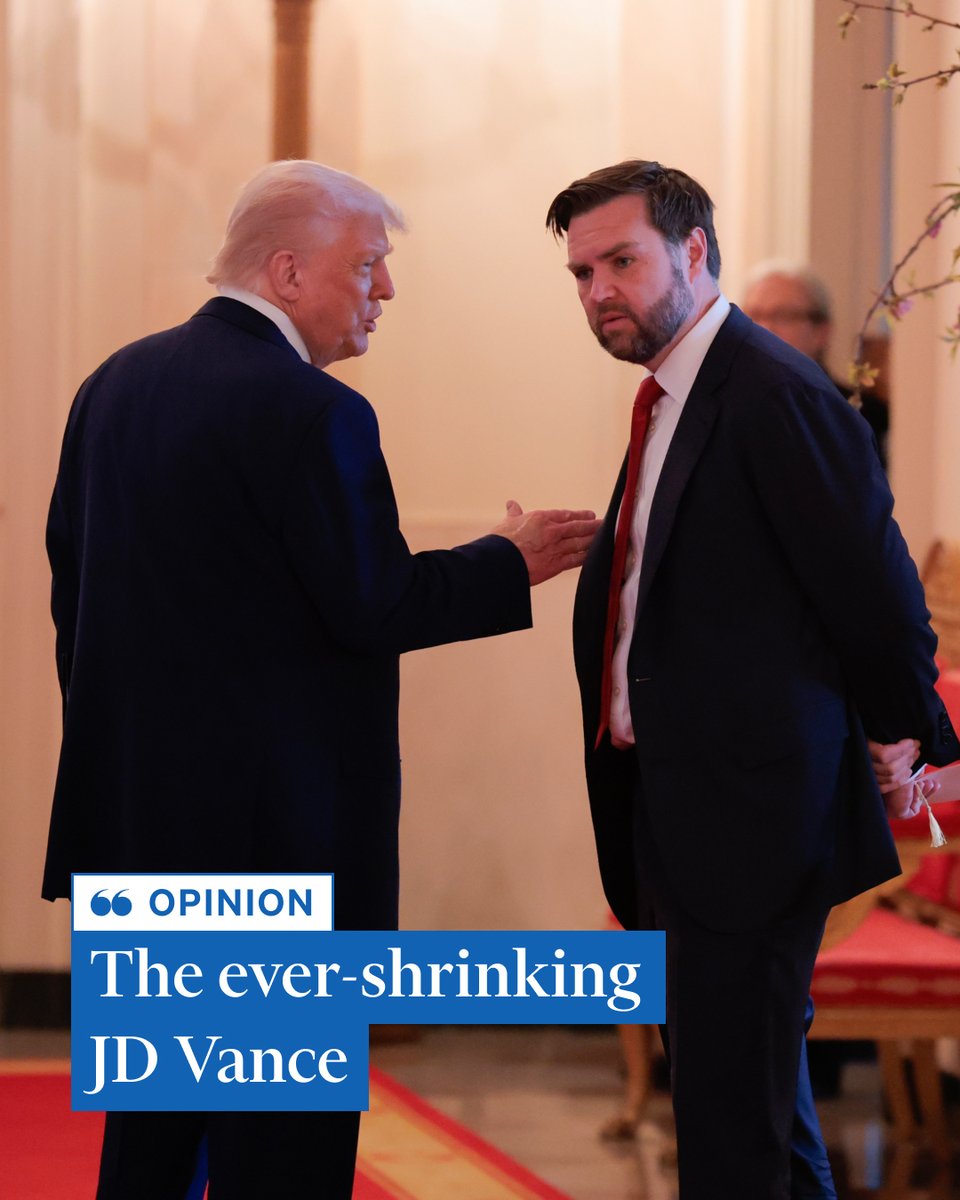
Trump signals second round of peace talks — President Trump mentioned that the war is close to over and suggested that Vice President JD Vance might lead upcoming negotiations with Iranian officials.
Senate moves to limit presidential war powers — Lawmakers are set to vote on a resolution aimed at reining in the administration’s ability to engage in military action against Iran without specific congressional approval.
Thousands more troops deployed to the Middle East — The U.S. is sending additional sailors and Marines to the region to help enforce the ongoing blockade and maintain pressure on the Iranian regime.
Republicans face hurdles over tax cut messaging — On Tax Day, GOP leaders are finding it difficult to promote the administration’s tax cuts as many Americans report seeing little change in their personal finances.
TL;DR
The U.S. military says its maritime blockade has successfully cut off all commercial traffic to Iranian ports, putting massive pressure on Tehran. Despite the military squeeze, President Trump suggests the conflict is nearing its end
Nizami Ganjavi is best known for his romantic epics—collectively called the Khamsa (Quintet)—his relationship with “gay themes” is typically viewed through the lens of classical
#Persian literary traditions rather than modern identity.While the 12th-century Persian poet
In classical Persian poetry, the concept of the “beloved” often blurred gender lines or explicitly featured male-to-male desire as a standard aesthetic and spiritual trope.
Key Contextual Themes
The Genderless “Beloved”: In the Persian language, pronouns are gender-neutral. This allows the “beloved” in Nizami’s poetry to be interpreted as either male or female. In a Sufi (mystical) context, this ambiguity often symbolizes the soul’s yearning for the Divine.
), the language used to describe beauty often draws from these same-sex poetic traditions.Homoerotic Traditions: Nizami wrote during a period where male homoeroticism was a prominent theme in Persian lyrics. While his major works focus on heterosexual romances (likeLayla and MajnunorKhosrow and Shirat
Layla and Majnun: While this is a story of heterosexual love, scholars often analyze the character of Majnun as a figure who transcends social norms. His “madness” and total devotion are sometimes compared to the “transgressive” nature of queer love in later literary critiques.
Modern Reinterpretations: Today, the Nizami Ganjavi Library at Oxford frequently hosts exhibitions on LGBTQ+ history and the “Queer Armenian Library,” bridging the poet’s legacy with contemporary queer discourse.University of Oxford +4
If you’re interested in exploring this further, I can look into:
.Specific Sufi interpretations of the “beloved” in theKhamsa
How later poets like Hafiz or Sa’di (who were more explicit about male-to-male love) were influenced by Nizami.
The history of the Queer Armenian Library and its connection to the Nizami Ganjavi Library.Encyclopædia Iranica +4
Gemini: CIA News Briefing: March 29 https://gemini.google.com/share/230e79bc5739
CIA News Briefing: March 29, 2026
Here is a look at the latest developments and headlines surrounding the Central Intelligence Agency as of this morning:
The CIA in the Headlines
Intelligence Briefing on Iran: Late this week, reports emerged that the CIA provided a psychological and biographical assessment to the White House regarding the personal life of Iran’s new supreme leader, Mojtaba Khamenei. The president publicly confirmed receiving the intelligence briefing, which has generated significant domestic and international media coverage.
DOJ Probe into Former Director Brennan: House Judiciary Committee Chairman Jim Jordan stated on Thursday that a Justice Department investigation into former CIA Director John Brennan is “heating up.” The probe is examining the intelligence community’s assessments from late 2016 and the DOJ is reportedly seeking past congressional testimony records.
Official CIA Updates & Operations
Historical Declassifications: Earlier this week, the agency published Prelude to COLDFEET: From Air Mail to Spy Sky Pickups, the latest addition to their public reading room detailing historical espionage operations and technological innovations.
Global Intelligence Focus: A recent Public’s Daily Brief issued by the intelligence community earlier this month highlighted growing strategic concerns over Chinese control of critical energy infrastructure in Chile, noting that Beijing entities now control over 55% of Chile’s energy transmission.
Internal Policy Shifts: Under Director John Ratcliffe, the agency has been making several public administrative shifts. Late last month, the CIA formally retracted specific past intelligence products in a stated effort to “reinforce analytic objectivity,” and launched a new Acquisition Framework designed to turbocharge research and development collaboration with the private sector.
End of an Era for The World Factbook: In case you missed it last month, the CIA officially sunset its famous publication, The World Factbook. The resource, which began as a classified document in 1962 and became a highly trafficked digital staple in 1997, served as a primary global demographic and geographic reference tool for decades.
–
AI Overview
Recent CIA news highlights a focus on technology, with the launch of CIA Labs and a push for artificial intelligence integration. Other key developments include efforts to speed up hiring, recruiting efforts in Russia, and involvement in high-level geopolitical discussions regarding the Middle East and intelligence sharing with partners. [1, 2, 3]
Recent CIA Developments (2025-2026):
Technology and AI: The CIA launched “CIA Labs” for in-house R&D to address intelligence challenges. The agency is also pushing to adopt AI at scale under a new IT roadmap.
Recruitment and Personnel: The CIA is attempting to accelerate its hiring timeline and is actively recruiting Russian officials to spy.
Geopolitical Engagement: Agency officials have been actively engaged in discussions regarding hostage negotiations in the Gaza Strip.
Legal Challenges: Recent legal activity involved a U.S. judge upholding convictions against a former CIA engineer for the largest theft of classified information in the agency’s history.
Operational Security: China is investigating a national accused of spying for the CIA. [1, 2, 3]
Operational & Administrative Focus:
Open Source Intelligence (OSINT): The agency is working to centralize its OSINT operations under a new strategy.
Workforce Health: Agency leaders are aiming to improve workforce perceptions regarding well-being and mental health.
Internal R&D: CIA Labs is designed to facilitate breakthroughs in science and technology. [1, 2]
Today’s news regarding the Central Intelligence Agency (CIA) is centered on its active role in the escalating conflict between the U.S., Israel, and Iran, as well as significant internal policy shifts under the Trump administration. [1, 2]
Key Developments in Global Conflict
Intelligence in the Iran-Israel War: The CIA reportedly helped pinpoint a gathering of top Iranian leaders, including the late Supreme Leader Ayatollah Ali Khamenei, which enabled a decisive Israeli strike. Former CIA directors, including Leon Panetta, have publicly criticized the administration’s strategy, warning that the war lacks a clear “exit” and risks a broader energy crisis.
Covert Operations in Venezuela: President Trump has confirmed authorizing “covert” CIA actions in Venezuela, which have included targeting drug trafficking groups and potentially conducting the first drone strikes on Venezuelan soil.
Success in Mexico: The agency provided “critical” intelligence that led Mexican authorities to the location of the major cartel leader known as “El Mencho“. [2, 3, 4, 5]
Agency Policy and Workforce Updates
Retraction of “Biased” Reports: On February 20, 2026, Director John Ratcliffe announced the retraction of several past intelligence products—including reports on white nationalism and LGBTQ+ issues—claiming they reflected political bias and lacked objective tradecraft.
Recruitment Drive: The agency has released a new Mandarin-language video specifically targeting Chinese military officers and officials disenchanted with government corruption, encouraging them to share information with the U.S..
End of the World Factbook: In a major change to its public resources, the CIA officially ended publication of its long-running World Factbook reference tool in early February 2026.
Private Sector Collaboration: A new “Acquisition Framework” was launched to accelerate the CIA’s ability to partner with private commercial tech companies for rapid innovation. [1, 2, 3, 6, 7, 8, 9]
Internal Leadership
Current Leadership: John Ratcliffe currently serves as the Director of the CIA, having been confirmed on January 23, 2025.
New Appointments: Josh Simmons was recently confirmed by the Senate as the agency’s new General Counsel. [7, 10, 11]






![#MelaniaTrump #FBI #TOC Melania Trump, Crime Nexus, and Capital - Gemini Prompt: "Melania Trump and "a heightened focus on the transnational ["Russian-Jewish Mafia"] state-crime nexus" in 1990s - early 2000s" AI](https://pbs.twimg.com/media/HGB1aj5WAAA093F.jpg)







![#W3LL dismantled On April 10, 2026, the #FBI #Atlanta Field Office, in partnership with the Indonesian National Police, announced the successful dismantling of a sophisticated global phishing network known as W3LL, which was responsible for over $20 million in attempted fraud. [1, 2, 3] Key Details of the Takedown: The Operation: The joint investigation targeted the "W3LL" phishing kit, a "full-service" cybercrime platform that enabled users to create fake login pages mimicking legitimate websites. International Collaboration: This marked the first coordinated action between US and Indonesian law enforcement to shut down a hacking platform. Arres](https://pbs.twimg.com/media/HF9upfaXQAAU1Mu.png)







![#Counterintelligence #News #counterintelligencenews Current counterintelligence news highlights increased efforts against state-sponsored espionage, technology theft, and cyber operations, particularly from China, Russia, and Iran. [1, 2, 3, 4, 5] Recent Legal Actions and Arrests April 8, 2026: A former Army employee and Top Secret clearance holder was arrested and charged with leaking classified national defense information. April 1, 2026: An aviation company employee was charged for attempting to steal and transfer proprietary information to China. March 25, 2026: A Chinese national and two U.S. citizens were charged with conspiring to unlawful](https://pbs.twimg.com/media/HF8ucwcacAAyjVm.jpg)


![IRAN WAR NEWS #IranWar #Hormuz #blockade As of April 15, 2026, the 2026 Iran War is in its seventh week, characterized by a fragile two-week ceasefire that began on April 8. While direct combat has largely paused, the United States is currently enforcing a naval blockade of Iranian ports and the Strait of Hormuz to maintain economic pressure following the failure of peace talks in Islamabad last weekend. [1, 2, 3, 4] Current Status and Recent Developments Ceasefire and Peace Talks: President Trump stated today that the war is "very close to over" and signaled a possible second round of direct talks with Iran could resume in Pakistan within the ne](https://pbs.twimg.com/media/HF8ezLgWQAA8iRO.png)


![Onegin and Lensky as gay lovers Reimagining Eugene Onegin and Vladimir Lensky from Alexander Pushkin’s novel and Tchaikovsky’s opera as gay lovers is a modern, often critically acclaimed interpretative approach, particularly in opera, that explores the latent tension and profound emotional connection between the two men. This queer reading often views Onegin’s jealousy, social alienation, and the eventual duel not as a dispute over a woman (Olga), but as a result of repressed desire and societal pressure. [1, 2, 3, 4, 5] The Queer Interpretation in Productions "Brokeback Onegin" (Munich, 2012/2015): Director Krzysztof Warlikowski's production at](https://pbs.twimg.com/media/HFyp8MQXkAEpdUH.png)



![#BND #GermanIntel The BND's "Big Bang" reform German security chiefs, led by intelligence coordinator Philipp Wolff, are currently conducting a high-level consultation tour across Europe to gather best practices for a comprehensive overhaul of Germany's security architecture. This "Big Bang" reform, initiated under the government of Chancellor Friedrich Merz, aims to transition the country's intelligence services from a reactive, "civilian" stance to a more proactive and operational "military-grade" capability. [1, 2, 3, 4, 5] Key Reform Initiatives Restructuring the BND (Federal Intelligence Service):Operational Shift: BND President Martin Jäger](https://pbs.twimg.com/card_img/2042602432450985984/vX4wCfWR?format=png&name=280x280_2)
![THE WAGNER GROUP The Wagner Group evolved from a shadowy proxy force into a global paramilitary empire before its rapid dismantling following a failed mutiny against the Russian state in 2023. [1, 2] The Rise: From Shadows to State Asset (2014–2022) Initially founded in 2014 by Yevgeny Prigozhin and Dmitry Utkin, Wagner was designed to provide the Kremlin with "plausible deniability" for covert operations. [3, 4] Early Operations: The group first emerged during the annexation of Crimea and conflict in eastern Ukraine. Global Expansion: Wagner expanded into Syria (2015) and Africa (Libya, Central African Republic, and Mali), securing access to nat](https://pbs.twimg.com/media/HFyDirxXIAARi30.png)