🚨Alert: The real President- elect of Venezuela, Edmundo González left Spain 🇪🇸 this morning, destination unknown! He is ready to take control of the government in Caracas when Maduro is removed!!
— defense_civil25 (@defense_civil25) Oct 11, 2025
Month: October 2025
BREAKING:
🇮🇱 Leaked files reveal secret Israel-Arab military alliance build under US watch while Israel was massively bombing Gaza – The Washington Post
The documents show they were secretly training with Israeli forces for years, all under Washington’s nose.
The files… pic.twitter.com/e1ikMGXBTW
— Megatron (@Megatron_ron) October 11, 2025
GS – AI Overview
Vladimir #Putin‘s place in #Russian #history is profoundly contentious and actively being shaped by his long, uninterrupted, and increasingly authoritarian rule. Historians and analysts outside of Russia often point to a legacy of dismantling democratic institutions, controlling the economy, and pursuing aggressive foreign policy. Conversely, his official narrative and public support in Russia credit him with restoring stability and national pride after the tumultuous 1990s. [1, 2, 3, 4, 5]
Consolidation of power and centralization After a chaotic decade of post-Soviet transition, Putin’s rise from a KGB officer to the presidency in 1999 introduced a new era of centralized control.• He restored order after the turmoil of the Boris Yeltsin years and reasserted Moscow’s authority over Russia’s regions and independent-minded oligarchs.
• His systematic dismantling of democratic institutions—including restricting media freedoms, suppressing political opposition, and centralizing control—has led to Russia being described as an autocracy. Constitutional amendments have allowed him to extend his rule, making his total tenure potentially longer than Joseph Stalin’s. [1, 2, 6, 8, 9]Economic stabilization and state control Putin’s early years were marked by a period of economic recovery, largely fueled by rising oil and gas prices. This allowed for a rise in living standards, which won him broad popular support.
• He re-nationalized key industries, especially in the energy sector, bringing major assets under state control.
• Despite economic stabilization, some critics note that this period of prosperity masked deeper issues of corruption and dependency on natural resources. [9, 10, 11]Restoration of nationalism and “civilization-state” ideology A key aspect of Putin’s historical narrative is the rejection of Western values and the promotion of a distinct, conservative Russian identity.
• He has cultivated a “civilization-state” ideology that frames Russia as a unique civilization separate from the West.
• This is often accompanied by a strong emphasis on patriotism, traditional Orthodox Christian values, and a return to what is viewed as Russia’s historic greatness.
• Historical memory, particularly the victory in the “Great Patriotic War” (World War II), is heavily nationalized and used to justify current state actions. [12, 13, 14, 15, 16]Military and foreign policy aggression Putin’s legacy is defined by his use of military force to project power and expand Russia’s influence in the “near abroad”—the former Soviet states.
• Military interventions in Chechnya and Georgia set the stage for later actions.
• The annexation of Crimea in 2014 and the full-scale invasion of Ukraine in 2022 represent defining moments of his reign, marking a clear break with the post-Cold War order.
• This policy is seen by critics as an imperialist effort to regain lost territories and prestige, driven by a warped historical narrative. [3, 6, 17, 18, 19]Diverse perspectives on his legacy Ultimately, Putin’s place in history is viewed through highly divergent lenses.
• Outside Russia, his rule is largely characterized as authoritarian, imperialist, and destructive, with the invasion of Ukraine being a monumental historical error.
• Within Russia, particularly among older generations, he is often seen as the leader who brought stability and restored national pride. However, this view is supported by state-controlled media and propaganda, with genuine dissent suppressed.
• A younger generation in Russia, sometimes called the “Putin Generation,” also shows broad support, but many remain politically disengaged.
• The invasion of Ukraine, and subsequent actions, have only hardened these polarized views, with a complete assessment of his place in history unlikely until long after his rule ends. [4, 18, 20, 21, 22, 23]AI responses may include mistakes.
[1] news.northeastern.edu/2024/0…
[2] gmfus.org/news/putins-revolu…
[3] britannica.com/question/Why-…
[4] globalaffairs.org/research/p…
[5] nationalgeographic.com/magaz…
[6] history.com/articles/vladimi…
[7] ethz.ch/content/dam/ethz/spe…
[8] britannica.com/place/Russia/…
[9] online.ucpress.edu/currenthi…
[10] britannica.com/biography/Vla…
[11] theconversation.com/what-leg…
[12] en.wikipedia.org/wiki/Putini…
[13] alexanderhamiltonsociety.org…
[14] warontherocks.com/2023/03/im…
[15] moderndiplomacy.eu/2024/03/1…
[16] cscr.pk/explore/themes/polit…
[17] warontherocks.com/2023/03/im…
[18] wilsoncenter.org/blog-post/p…
[19] theconversation.com/what-is-…
[20] theconversation.com/what-leg…
[21] youtube.com/watch?v=Y74I4lJ7…
[22] globalaffairs.org/research/p…
[23] cpreview.org/articles/2024/5…Putin and his place in Russian History – Google Search google.com/search?num=10&new…
— Michael Novakhov (@mikenov) Oct 11, 2025
#Putin‘s Place in #Russian #History g.co/gemini/share/6aea3fdac8…
Putin’s Enduring Shadow: Reshaping Russia and His Contentious Place in HistoryVladimir Putin, the longest-serving Russian leader since Joseph Stalin, has indelibly shaped the post-Soviet era, steering Russia from a period of perceived chaos to a centralized, authoritarian state that once again asserts its power on the global stage.1 His legacy, however, is deeply contested, marked by economic stabilization and renewed national pride for some, and by democratic backsliding, rampant corruption, and international aggression for others. Historians and political analysts are already grappling with his ultimate place in the annals of Russian history, with comparisons ranging from the modernizing Peter the Great to the despotic Ivan the Terrible and the iron-fisted Joseph Stalin.
From Obscurity to the Kremlin’s Apex:
A former KGB officer, Putin’s ascent to power was meteoric.2 Plucked from relative obscurity by an ailing Boris Yeltsin, he became Prime Minister in August 1999 and acting President by the end of that year.3 He inherited a Russia plagued by economic turmoil, diminished international standing, and a bloody war in Chechnya.
His early years in office were defined by a consolidation of power. He moved swiftly to rein in the influential oligarchs who had amassed vast wealth and political power during the tumultuous 1990s.4 He also centralized authority, curtailing the autonomy of regional governors and strengthening the “power vertical” with the Kremlin at its core.5 Buoyed by soaring oil prices, the Russian economy experienced a period of significant growth, leading to a notable improvement in the standard of living for many citizens and bolstering his popularity.6
Key Pillars of Putin’s Rule:
Economic Stabilization and State Capitalism: Putin’s initial economic policies brought a degree of order and predictability after the “shock therapy” of the 1990s. Key sectors of the economy, particularly in energy, were brought back under state control, creating a system of state capitalism where loyalists were rewarded with immense wealth and influence.
Centralization of Power and Suppression of Dissent: A hallmark of Putin’s tenure has been the systematic dismantling of democratic institutions.7 Independent media has been largely silenced, political opposition has been marginalized and often brutally suppressed, and civil society has been constricted.8 Constitutional changes have allowed him to extend his rule, potentially until 2036.9
Revival of Nationalism and a Strong State Ideology: Putin has cultivated a powerful narrative of a resurgent Russia, drawing on historical grievances and Orthodox Christian values to foster a sense of national identity and pride.10 This ideology has been instrumental in justifying his actions both at home and abroad.11
Assertive and Confrontational Foreign Policy: On the international stage, Putin has sought to restore Russia’s status as a major global power.12 This has manifested in a foreign policy characterized by a deep suspicion of the West, particularly the United States and NATO. Key moments include the 2008 war in Georgia, the 2014 annexation of Crimea, and the full-scale invasion of Ukraine in 2022, which has plunged Russia into its deepest international isolation since the Cold War.13Historical Parallels and Enduring Debates:
Putin’s long and impactful rule has invited numerous comparisons to figures from Russia’s past:14
Peter the Great: Like the modernizing tsar, Putin has sought to strengthen the Russian state and project its power outward.15 He has also emphasized technological advancement and military modernization. However, critics argue that while Peter sought to westernize Russia, Putin has increasingly defined Russia in opposition to the West.
Joseph Stalin: Comparisons to the Soviet dictator have become more frequent, particularly since the full-scale invasion of Ukraine and the accompanying crackdown on domestic dissent.16 Parallels are drawn to the cult of personality, the suppression of any opposition, the use of historical revisionism for political ends, and the willingness to use brute force to achieve geopolitical objectives.17 While Putin’s rule has not reached the levels of mass terror seen under Stalin, the direction of his governance has raised alarms.18
Brezhnev and the Era of Stagnation: Some analysts suggest that the later years of Putin’s rule could be seen as a new era of stagnation, characterized by a lack of economic dynamism, a gerontocratic elite, and an over-reliance on natural resource exports.An Unwritten Final Chapter:
Ultimately, Vladimir Putin’s place in Russian history is still being written. For his supporters, he is the leader who rescued Russia from the brink of collapse, restored its dignity, and stood up to Western encroachment. For his detractors, he is the autocrat who stifled democracy, enriched a corrupt elite, and plunged his country and its neighbors into a devastating war.19
The long-term consequences of his actions, particularly the war in Ukraine, will be a defining element of his legacy. The economic and social costs of the conflict, coupled with Russia’s increased international isolation, will shape the country’s trajectory for decades to come. Whether he will be remembered as a great restorer of the Russian state or as a leader who led his country down a path of ruinous confrontation remains a question that only time will definitively answer.
— Michael Novakhov (@mikenov) Oct 11, 2025
#News Today: #Trump and the #world x.com/mikenov/status/1976996143633776992
— Michael Novakhov (@mikenov) Oct 11, 2025
#News Today: #Trump and the #world x.com/mikenov/status/1976996143633776992
— Michael Novakhov (@mikenov) Oct 11, 2025
Main News Headlines October 11, 2025 thenewsandtimes.blogspot.com…
— Michael Novakhov (@mikenov) Oct 11, 2025









Main News Headlines October 11, 2025 g.co/gemini/share/3a76729b63…
Here are the #main #news #headlines for Saturday, October 11, 2025.National
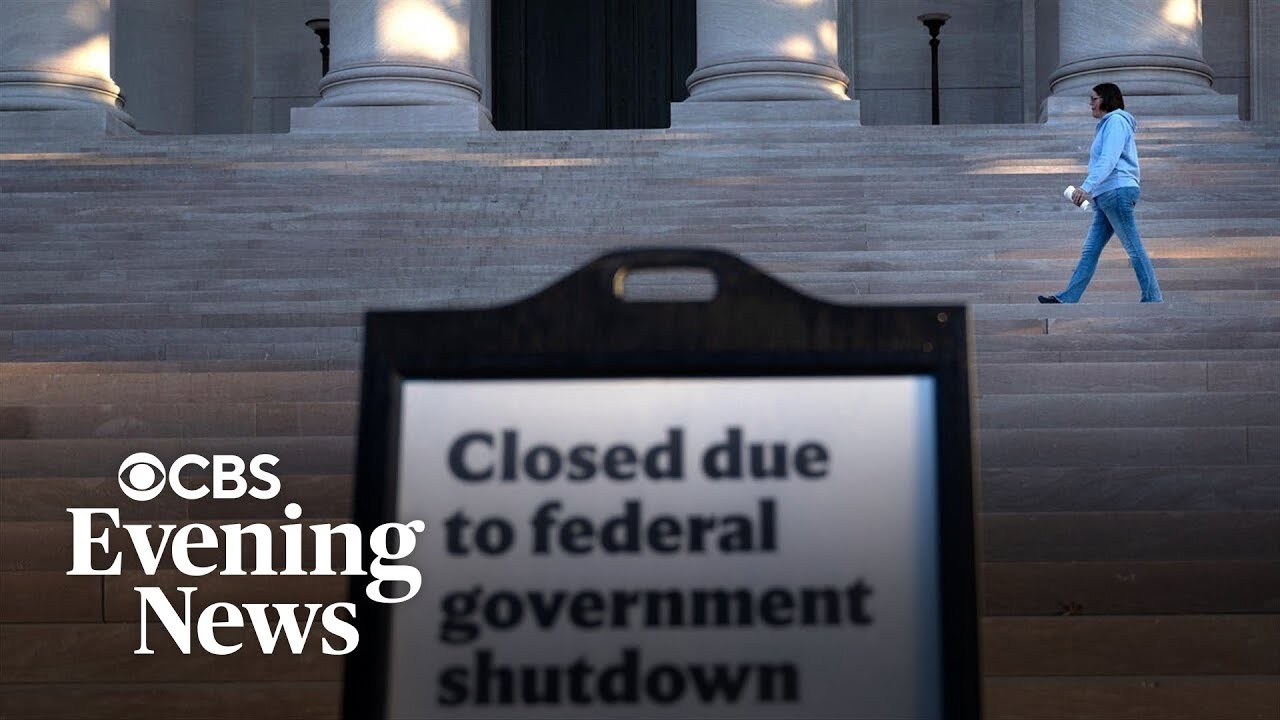
Government Shutdown Continues as Tensions Rise
The U.S. federal government shutdown has entered its eleventh day, with no clear resolution in sight.1 The impasse between the White House and Congress continues over the federal budget, leading to the furlough of thousands of federal workers.2 The shutdown has also caused flight delays at some airports due to shortages of air traffic controllers.3
In a related development, the Trump administration has begun laying off federal workers as the shutdown persists.4 This move has drawn sharp criticism from Democrats, who accuse the administration of using federal employees as political pawns.5
The WIC food program has received $300 million to continue operations during the shutdown, providing some relief for families who rely on the program for nutritional assistance.6
Trump Threatens New Tariffs on China7
President Trump has announced his intention to impose an additional 100% tariff on Chinese goods, escalating the ongoing trade war between the two economic giants.8 This threat has led to a slump in the stock market, with investors concerned about the potential impact on the global economy.9 China has already responded with retaliatory port fees on American-owned ships.10
Legal and Political Battles
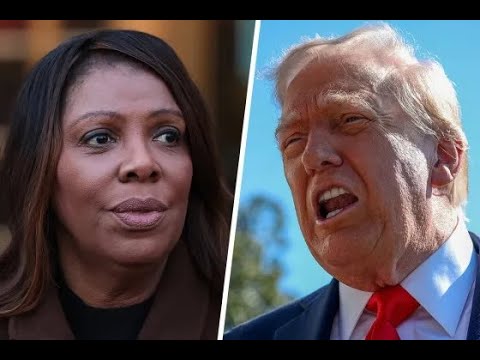
New York Attorney General Letitia James has been indicted on federal bank fraud charges.11 The indictment is seen by many as politically motivated, given James’s history of legal challenges against the Trump administration.12 Senate Democratic Leader Chuck Schumer has accused the administration of weaponizing the Justice Department.13
Meanwhile, legal challenges are mounting against President Trump’s use of the National Guard for immigration enforcement.14 Several states have filed lawsuits, setting up a constitutional clash over presidential power.15 The administration has also reassigned nearly half of the FBI agents in major field offices to immigration enforcement, raising concerns about other public safety priorities.16
In other legal news, a federal judge has dismissed a lawsuit filed by the rapper Drake against Universal Music Group over a diss track by Kendrick Lamar.17
International
Israel-Hamas Ceasefire in Gaza
A ceasefire has taken effect in Gaza, brokered with the help of the United States.18 Palestinians are beginning to return to their homes and search for loved ones in the rubble.19 Former and current political figures, including Hillary Clinton and Condoleezza Rice, have commended the Trump administration for its role in the deal.20 However, the situation remains fragile, with reports of Israeli airstrikes in southern Lebanon.21
Global Affairs
Venezuelan opposition leader María Corina Machado has been awarded the 2025 Nobel Peace Prize for her efforts to bring democracy to her country.22
North Korea has unveiled a new long-range missile during a military parade, a move that is likely to increase tensions in the region.23
In Mexico, severe flooding has resulted in at least 28 deaths and significant damage to homes and hospitals.24
Other News
Tennessee Plant Explosion
An explosion at a military explosives plant in Tennessee has left 18 people missing and feared dead.25 The cause of the blast is under investigation.
Health and Science
There is a growing debate over a suggestion by Robert F. Kennedy Jr.26 about a possible link between autism and circumcision, a claim that is not supported by scientific evidence.27 He has also repeated the unproven theory that Tylenol may cause autism.28
In environmental news, Arctic seals and several bird species have been added to the list of threatened species.29 However, there is some positive news as green sea turtles have seen a substantial recovery.30
This summary provides a snapshot of the main news events as of Saturday, October 11, 2025. Developments are ongoing, and further updates are expected.
— Michael Novakhov (@mikenov) Oct 11, 2025
#main #news #today – AI Mode – GS
Top news on Saturday, October 11, 2025, includes the implementation of a new ceasefire deal between Israel and Hamas, a continuing U.S. government shutdown, a recent Nobel Peace Prize award, new tariffs on Chinese goods, and a military parade in North Korea
Middle East
Israel and Hamas ceasefire: A ceasefire took effect in Gaza after a deal was approved by the Israeli government. Aid is now flowing into Gaza, and an exchange of Israeli hostages for Palestinian prisoners is expected to take place within days. US troops have arrived to help monitor the ceasefire.
Israel strikes Lebanon: In a separate development, Israeli airstrikes in southern Lebanon killed one person and injured seven.
United States
Government shutdown: A partial U.S. government shutdown has entered its second week, with over 4,000 federal workers receiving layoff notices. Federal workers’ paychecks have been impacted.
Tariffs on China: President Donald Trump has threatened a new 100% tariff on Chinese imports, a move that followed China’s earlier trade restrictions. The World Trade Organization has warned that Trump’s tariffs could cause a global trade slowdown.
Trump pardons: A recent report from the Brennan Center for Justice highlighted that President Trump has issued several pardons to campaign donors and convicted former politicians.
Tennessee plant explosion: An explosion at a military explosives plant in Tennessee has left at least 18 people unaccounted for, and it may take days to search through the debris.
International
Nobel Peace Prize: The 2025 Nobel Peace Prize was awarded to Venezuelan opposition leader María Corina Machado for her work promoting democratic rights.
North Korean military parade: North Korea displayed its newest intercontinental ballistic missile (ICBM), the Hwasong-20, during a military parade. Senior officials from China and Russia attended the event.
Seychelles election runoff: Voters in the Seychelles are participating in a runoff presidential election between the incumbent and his challenger.
Mexico flooding: Flooding in Mexico has left at least 27 people dead and more are missing.
share.google/aimode/rPPr1AM8…— Michael Novakhov (@mikenov) Oct 11, 2025