
Maduro Capture: Israel’s Geopolitical Gain The capture of Nicolás Maduro on January 3, 2026, in the U.S. military operation “Absolute Resolve,” has indeed created a significant shift in the global geopolitical and energy landscape
currentnewschannels.blogspot…
rss.app/feeds/_4kgC7OjY0IZpH…— Michael Novakhov (@mikenov) Jan 5, 2026
Month: January 2026
Categories
Articles and Tweets



























Maduro Capture: Israel’s Geopolitical Gain gemini.google.com/share/b3dd…
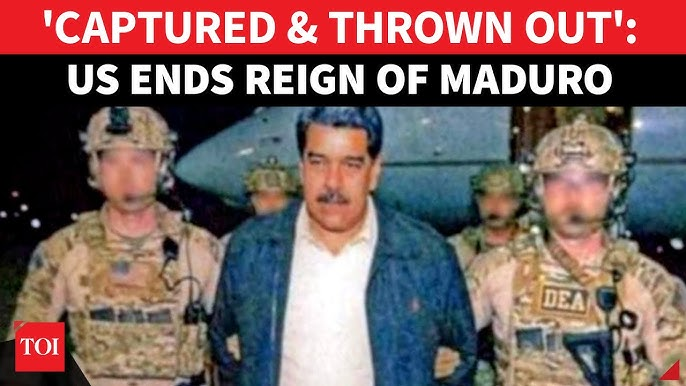
The capture of Nicolás Maduro on January 3, 2026, in the U.S. military operation “Absolute Resolve,” has indeed created a significant shift in the global geopolitical and energy landscape.
1. While the operation shares some strategic parallels with the recent fall of the Assad regime in Syria—specifically in how it dismantles an Iranian-aligned “axis of resistance” member—the involvement of Israel and the impact on oil prices are nuanced.
Mossad’s Role: Strategic Partner or Silent Observer?
There is no official evidence that the Mossad participated in the tactical planning or execution of the operation to capture Maduro. Reports indicate that “Absolute Resolve” was a strictly U.S.-led mission involving:
The CIA: Responsible for months of covert intelligence gathering and tracking Maduro’s daily habits.2
U.S. Delta Force: The primary kinetic unit that breached Maduro’s compound at the Puerta Tizona military base.3
U.S. Joint Forces: Over 150 aircraft and the USS Iwo Jima were involved in the strike and transport.4The “Zionist” Narrative
Venezuelan Vice President Delcy Rodríguez claimed the operation had a “Zionist tint,” but analysts view this as a rhetorical tool rather than a statement of fact.5 This language mirrors the Maduro regime’s long-standing alliance with Tehran, which often frames domestic or American actions through the lens of anti-Zionist conspiracy.6+1The Benefit to Israel: Geopolitical vs. Economic
Israel’s primary gain from Maduro’s ouster is geopolitical rather than directly related to oil prices:
Dismantling Iran’s “Outer Ring”: Under Maduro, Venezuela served as a strategic hub for Iran and Hezbollah in the Western Hemisphere, providing gold, financial laundering, and safe havens.7
The “Assad Parallel”: Much like the fall of Assad removed an Iranian land bridge in the Middle East, Maduro’s capture removes a “financial bridge” for Iran in South America.
New Alliances: Opposition figures like Maria Corina Machado have been vocal about restoring ties with Israel and purging Hezbollah influence from Venezuelan soil.8The Oil Market Impact
While you noted a “predicted fall” in oil prices, the immediate market reaction on Monday, January 5, 2026, has been mixed:
Initial Volatility: Brent crude and WTI initially dipped slightly (around $60 and $57 respectively) as traders weighed the potential for a massive influx of Venezuelan oil in the long term.9
The “Reality Check”: Prices stabilized quickly because experts note that Venezuela’s oil infrastructure is in such disrepair that it may take years of Western investment before production can significantly impact the global glut.
Israel’s Economic Gain: Lower oil prices generally help Israel’s economy by reducing import costs and cooling inflation. However, the current “oversupply” in the market was already present due to OPEC+ policies and the war in Ukraine potentially winding down.10Would you like me to look into how the transition government in Venezuela is addressing the presence of Hezbollah and Iranian operatives now that Maduro is in U.S. custody?
— Michael Novakhov (@mikenov) Jan 5, 2026
Maduro Capture: Israel’s Geopolitical Gain gemini.google.com/share/b3dd…
The capture of Nicolás Maduro on January 3, 2026, in the U.S. military operation “Absolute Resolve,” has indeed created a significant shift in the global geopolitical and energy landscape.
1. While the operation shares some strategic parallels with the recent fall of the Assad regime in Syria—specifically in how it dismantles an Iranian-aligned “axis of resistance” member—the involvement of Israel and the impact on oil prices are nuanced.
Mossad’s Role: Strategic Partner or Silent Observer?
There is no official evidence that the Mossad participated in the tactical planning or execution of the operation to capture Maduro. Reports indicate that “Absolute Resolve” was a strictly U.S.-led mission involving:
The CIA: Responsible for months of covert intelligence gathering and tracking Maduro’s daily habits.2
U.S. Delta Force: The primary kinetic unit that breached Maduro’s compound at the Puerta Tizona military base.3
U.S. Joint Forces: Over 150 aircraft and the USS Iwo Jima were involved in the strike and transport.4The “Zionist” Narrative
Venezuelan Vice President Delcy Rodríguez claimed the operation had a “Zionist tint,” but analysts view this as a rhetorical tool rather than a statement of fact.5 This language mirrors the Maduro regime’s long-standing alliance with Tehran, which often frames domestic or American actions through the lens of anti-Zionist conspiracy.6+1The Benefit to Israel: Geopolitical vs. Economic
Israel’s primary gain from Maduro’s ouster is geopolitical rather than directly related to oil prices:
Dismantling Iran’s “Outer Ring”: Under Maduro, Venezuela served as a strategic hub for Iran and Hezbollah in the Western Hemisphere, providing gold, financial laundering, and safe havens.7
The “Assad Parallel”: Much like the fall of Assad removed an Iranian land bridge in the Middle East, Maduro’s capture removes a “financial bridge” for Iran in South America.
New Alliances: Opposition figures like Maria Corina Machado have been vocal about restoring ties with Israel and purging Hezbollah influence from Venezuelan soil.8The Oil Market Impact
While you noted a “predicted fall” in oil prices, the immediate market reaction on Monday, January 5, 2026, has been mixed:
Initial Volatility: Brent crude and WTI initially dipped slightly (around $60 and $57 respectively) as traders weighed the potential for a massive influx of Venezuelan oil in the long term.9
The “Reality Check”: Prices stabilized quickly because experts note that Venezuela’s oil infrastructure is in such disrepair that it may take years of Western investment before production can significantly impact the global glut.
Israel’s Economic Gain: Lower oil prices generally help Israel’s economy by reducing import costs and cooling inflation. However, the current “oversupply” in the market was already present due to OPEC+ policies and the war in Ukraine potentially winding down.10Would you like me to look into how the transition government in Venezuela is addressing the presence of Hezbollah and Iranian operatives now that Maduro is in U.S. custody?
— Michael Novakhov (@mikenov) Jan 5, 2026
Maduro Capture: Israel’s Geopolitical Gain gemini.google.com/share/b3dd…
The capture of Nicolás Maduro on January 3, 2026, in the U.S. military operation “Absolute Resolve,” has indeed created a significant shift in the global geopolitical and energy landscape.
1. While the operation shares some strategic parallels with the recent fall of the Assad regime in Syria—specifically in how it dismantles an Iranian-aligned “axis of resistance” member—the involvement of Israel and the impact on oil prices are nuanced.
Mossad’s Role: Strategic Partner or Silent Observer?
There is no official evidence that the Mossad participated in the tactical planning or execution of the operation to capture Maduro. Reports indicate that “Absolute Resolve” was a strictly U.S.-led mission involving:
The CIA: Responsible for months of covert intelligence gathering and tracking Maduro’s daily habits.2
U.S. Delta Force: The primary kinetic unit that breached Maduro’s compound at the Puerta Tizona military base.3
U.S. Joint Forces: Over 150 aircraft and the USS Iwo Jima were involved in the strike and transport.4The “Zionist” Narrative
Venezuelan Vice President Delcy Rodríguez claimed the operation had a “Zionist tint,” but analysts view this as a rhetorical tool rather than a statement of fact.5 This language mirrors the Maduro regime’s long-standing alliance with Tehran, which often frames domestic or American actions through the lens of anti-Zionist conspiracy.6+1The Benefit to Israel: Geopolitical vs. Economic
Israel’s primary gain from Maduro’s ouster is geopolitical rather than directly related to oil prices:
Dismantling Iran’s “Outer Ring”: Under Maduro, Venezuela served as a strategic hub for Iran and Hezbollah in the Western Hemisphere, providing gold, financial laundering, and safe havens.7
The “Assad Parallel”: Much like the fall of Assad removed an Iranian land bridge in the Middle East, Maduro’s capture removes a “financial bridge” for Iran in South America.
New Alliances: Opposition figures like Maria Corina Machado have been vocal about restoring ties with Israel and purging Hezbollah influence from Venezuelan soil.8The Oil Market Impact
While you noted a “predicted fall” in oil prices, the immediate market reaction on Monday, January 5, 2026, has been mixed:
Initial Volatility: Brent crude and WTI initially dipped slightly (around $60 and $57 respectively) as traders weighed the potential for a massive influx of Venezuelan oil in the long term.9
The “Reality Check”: Prices stabilized quickly because experts note that Venezuela’s oil infrastructure is in such disrepair that it may take years of Western investment before production can significantly impact the global glut.
Israel’s Economic Gain: Lower oil prices generally help Israel’s economy by reducing import costs and cooling inflation. However, the current “oversupply” in the market was already present due to OPEC+ policies and the war in Ukraine potentially winding down.10Would you like me to look into how the transition government in Venezuela is addressing the presence of Hezbollah and Iranian operatives now that Maduro is in U.S. custody?
— Michael Novakhov (@mikenov) Jan 5, 2026
Categories
South Caucasus
|
||||||||||||||||||||||||||||||||||||||||||||||||||||||||||||||||||||||||||||||||||||||||||||||||||||||||||||||||||||||||||||||||||||||||||||||||||||||||||||
|





















Categories
All News
|
|||||||||||||||||||||||||||||||||||||||||||||||||||||||||||||||||||||||||||||||||||||||||||||||||||||||||||||||||||||||||||||||||||||||||||||||||||||||||
|

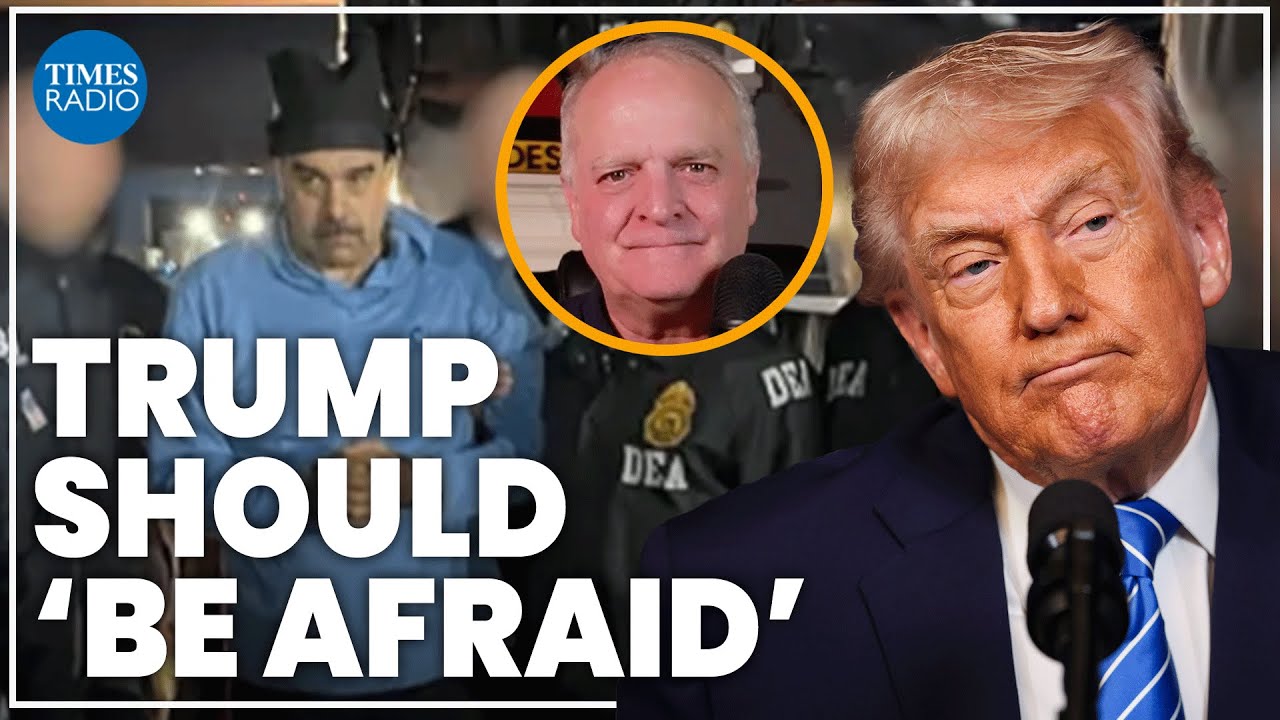











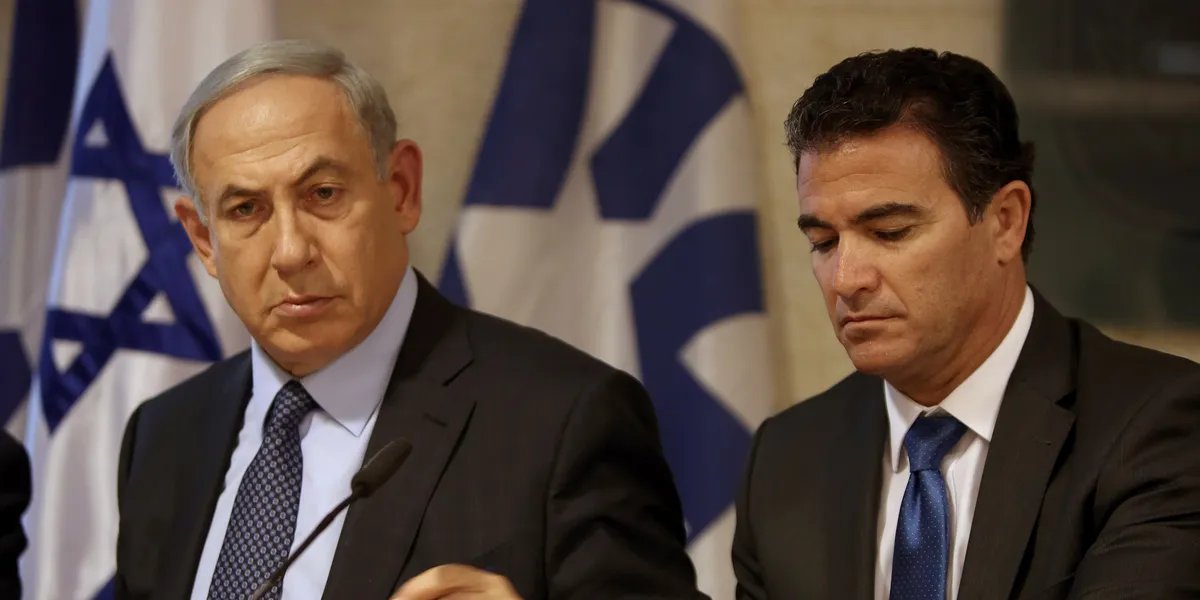
What are the roles of #Netanyahu and #Mossad in #Maduro “capture”?
In the recent U.S. military operation that led to the capture of Venezuelan President Nicolás Maduro, Benjamin Netanyahu’s role was one of support and commendation for the U.S. action, while direct involvement of the Mossad has not been confirmed. [1, 2, 3]
Benjamin Netanyahu’s RolePraise for the U.S. operation: Prime Minister Netanyahu and other Israeli officials, including Foreign Minister Gideon Sa’ar, publicly praised the U.S. military operation that captured Maduro, calling it a “resolute action to restore freedom and justice”.
Political alignment: Netanyahu noted that many countries in the region are “returning to the American axis” and strengthening ties with Israel, viewing the U.S. action positively in the context of regional politics and as a potential warning to adversaries like Iran.
Official statements: The Israeli government officially commended the U.S. for acting as the “leader of the free world” and welcomed the removal of a “dictator who led a network of drugs and terror”. [1, 4, 5, 6, 7, 8]Mossad’s Role
No confirmed operational involvement: There is no credible information or evidence from reliable sources (such as U.S. or Israeli government statements or major news outlets) to suggest that the Mossad (Israel’s national intelligence agency) had an operational role in the physical capture of Maduro.
Allegations by Venezuelan officials: Acting Venezuelan leader Delcy Rodríguez and other officials claimed there were “Zionist undertones” to the U.S. operation and accused Israel of involvement. These claims have been linked to conspiracy theories and anti-Israel sentiment among some influencers and opposition figures.
Intelligence background: While Israel may have had intelligence on Venezuelan activities, particularly concerning its relationship with Iran and groups like Hezbollah (which Israel considers terror hubs), U.S. officials stated that the capture operation was carried out by the U.S. Army’s Delta Force and relied on intelligence gathered by the CIA. [2, 9, 10, 11, 12, 13, 14]AI responses may include mistakes.
[1] c4israel.org/jns-org/restori…
[2] jpost.com/diaspora/antisemit…
[3] facebook.com/moneycontrol/ph…
[4] facebook.com/i24NEWSEN/posts…
[5] jpost.com/israel-news/articl…
[6] facebook.com/i24NEWSEN/posts…
[7] jpost.com/israel-news/articl…
[8] yahoo.com/news/articles/madu…
[9] jta.org/2026/01/05/global/ve…
[10] jpost.com/diaspora/antisemit…
[11] israelhayom.com/2026/01/04/t…
[12] jpost.com/international/arti…
[13] fdd.org/analysis/2026/01/03/…
[14] cbsnews.com/live-updates/ven…– Google Search google.com/search?q=What+are…
— Michael Novakhov (@mikenov) Jan 5, 2026
Gemini: gemini.google.com/share/d25e…
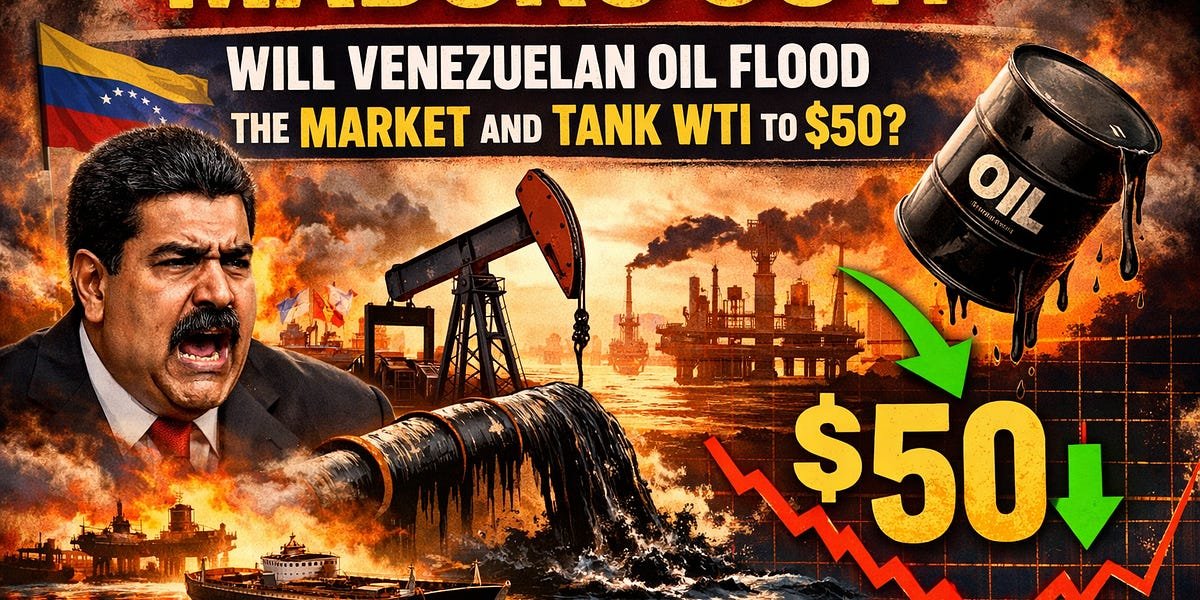
A rapid increase in #Venezuela-n #oil production—driven by recent geopolitical events in early 2026—combined with a price drop to $50/B would trigger a seismic shift in global power dynamics.
The current landscape (January 2026) is already volatile: the U.S. has recently intervened in Venezuela, capturing Nicolás Maduro, and President Trump has signaled a push for U.S. energy companies to revitalize Venezuela’s vast reserves (the world’s largest at ~303 billion barrels).1
Here are the major geopolitical changes you can expect:
1. The Rise of a “Western Hemisphere Oil Empire”
With Venezuela effectively under U.S. influence, Washington would gain control over a “petroleum empire” spanning from Canada and the U.S. to Guyana and Venezuela.2
Reduced Middle East Leverage: Control over 40% of the world’s current output within the Americas would allow the U.S. to bypass traditional dependencies on the Middle East.3
Strategic Advantage: Access to Venezuela’s heavy crude (ideal for U.S. Gulf Coast refineries) would create a self-sustaining energy loop in the West, isolating adversaries from the American market.42. Existential Threat to OPEC+ Cohesion
OPEC+, led by Saudi Arabia and Russia, relies on high prices to fund their national budgets. At $50/B, the “price floor” that supports these regimes would collapse.
Fiscal Crises: Saudi Arabia’s “Vision 2030” requires oil closer to $80/B. At $50/B, the Kingdom might be forced to abandon its diversification projects or deplete its sovereign wealth funds.
Internal Friction: Tensions between Saudi Arabia and the UAE (already visible in early 2026 over Yemen) would likely explode as members compete for a shrinking market share, potentially leading to the formal dissolution of OPEC+.3. Crippling the Russian “War Chest”
Low oil prices are the most effective non-military weapon against Moscow.
Budget Shortfalls: Russia’s ability to fund its military campaigns depends on oil revenues. While Russia is a low-cost producer, the loss of high-margin profits would force the Kremlin to choose between domestic social spending and military aggression.
Leverage in Peace Talks: A permanent surplus driven by Venezuela would give the U.S. a “winning hand” in ongoing Ukraine peace negotiations, as Moscow’s long-term economic outlook would look increasingly grim.4. Regional Destabilization in the Middle East
Many regimes in the Middle East use oil revenue to maintain social contracts (e.g., subsidies and public employment).
Social Unrest: Sustained $50/B oil could trigger a new wave of “Arab Spring”-style protests in oil-dependent nations like Iraq, Iran, and Algeria as governments are forced to cut subsidies.
Iran’s Isolation: With Venezuela (a key Iranian ally) now in the U.S. orbit and prices low, Iran’s “ghost fleet” of tankers would lose its value, further strangling the Iranian economy and weakening its regional proxies.Summary Table: Winners and Losers at $50/B
ActorImpactGeopolitical OutcomeUnited StatesHighEnergy independence and massive leverage over global inflation.ChinaModerateBenefit from lower costs, but lose strategic partnership with Maduro-era Venezuela.RussiaSevereDepleted military funding and weakened diplomatic standing.Saudi ArabiaSevereMassive budget deficits; risk to “Vision 2030” and regional leadership.India/EUHighMassive economic boost from lower energy costs and reduced inflation.
Would you like me to analyze how this $50/B price point would specifically affect the transition to green energy and EV adoption?What will be the major geopolitical impacts if the production of the #Venezuela-n #oil is rapidly increased, and the price of oil drops to $50/B and lower?
A rapid increase in Venezuelan oil production, leading to prices dropping below $50 per barrel, would create significant geopolitical shifts, primarily by:Weakening traditional oil powers: The most significant impacts would be on major oil exporters like Russia and Middle Eastern nations, whose state revenues and economic stability are highly dependent on higher oil prices. Their geopolitical influence would diminish as their financial leverage shrinks.
Shifting energy alliances: The increased availability of Venezuelan heavy crude would benefit U.S. and other refineries optimized for that grade of oil, potentially allowing Western nations to put more pressure on Russia by providing alternative supply sources to global markets.
Challenging OPEC’s unity and strategy: A large influx of oil from Venezuela (an OPEC member) would further strain the existing global supply surplus, potentially complicating OPEC+’s efforts to manage production levels and stabilize prices. The group’s market control would be significantly tested.
Benefiting oil-importing nations: Major oil-importing economies, such as China and India, as well as general consumers globally, would see a substantial economic benefit from lower energy costs, which would also help to restrain global inflation.
Altering U.S. foreign policy leverage: The U.S. would gain significant commercial and geopolitical leverage through access to Venezuela’s vast reserves, potentially allowing Washington to dictate terms in the global energy market and in its relations with rival nations.
Impact on Canadian oil exports: Venezuelan heavy crude is a direct competitor to Canadian oil sands products. Increased Venezuelan production would likely put significant pressure on the Canadian oil industry and its exports to the U.S..
Creating economic instability in certain regions: While beneficial for importers, the price crash would severely impact the GDP and public finances of economies heavily reliant on oil exports, such as Nigeria, the UAE, and Mexico, leading to potential domestic instability and reduced government spending. [1, 2, 3, 4, 5, 6, 7, 8, 9, 10, 11, 12]Ultimately, this scenario would usher in a new era of energy abundance that redistributes economic power and reshapes international relations around new energy supply chains.
AI responses may include mistakes.
[1] cnbc.com/2026/01/03/trump-ve…
[2] economist.com/finance-and-ec…
[3] finance.yahoo.com/news/venez…
[4] m.economictimes.com/news/int…
[5] nytimes.com/2026/01/05/busin…
[6] barrons.com/articles/stocks-…
[7] aljazeera.com/news/2026/1/5/…
[8] insights.som.yale.edu/insigh…
[9] bloomberg.com/news/articles/…
[10] aol.com/articles/venezuela-a…
[11] brookings.edu/events/global-…
[12] aljazeera.com/news/2026/1/5/…What will be the major geopolitical changes if the production of the Venezuelan oil is rapidly increased, and the price of oil will drop to $50/B and lower?
This scenario is actively unfolding following the U.S. capture of Venezuelan President Nicolás Maduro this weekend. While analysts warn that rebuilding Venezuela’s infrastructure will take years, a rapid supply increase that drives oil to $50/barrel would fundamentally alter the global balance of power, primarily by crippling the economies of U.S. adversaries and straining the OPEC+ alliance.Immediate Geopolitical Context (January 5, 2026):
Detailed Geopolitical Impacts:
1. Existential Economic Threat to Russia and Iran
A drop to $50/barrel would be devastating for Russia, whose federal budget relies heavily on oil revenues.
Russia’s War Chest: In 2026, Russia is already facing a sharp decline in oil and gas revenues due to sanctions and falling prices. A further drop to $50 would push the price of Russian crude (which trades at a discount) well below the fiscal breakeven point needed to sustain its budget and military spending in Ukraine.
relies on oil exports for currency stability. A price collapse would exacerbate internal unrest and limit its ability to project power regionally, especially as the U.S. signals a tougher stance on Tehran.Iran: Similar to Russia,Iran
2. Fracturing of the OPEC+ Alliance
The addition of significant Venezuelan supply into an already oversupplied market would undermine OPEC+ cohesion.
Saudi Arabia’s Dilemma: Saudi Arabia needs oil prices near $91/barrel to balance its budget. With prices at $50, the Kingdom would face massive deficits.
Alliance Instability: OPEC+ would face a “prisoner’s dilemma”: cut production deeper to support prices (ceding market share to the U.S. and Venezuela) or flood the market to kill competition. The current strategy has been to pause hikes, but a Venezuelan surge could break this discipline.
3. Consolidation of U.S. Energy Dominance (“Fortress Americas”)
With the U.S. now effectively controlling the political trajectory of Venezuela (holder of the world’s largest proven reserves) and U.S. production near record highs, Washington would command a “petroleum empire” in the Americas.
Strategic Leverage: This dominance gives the U.S. immense leverage to dictate global energy terms and isolate rivals like China from their traditional energy partners.
Risk to U.S. Shale: The downside is domestic. Many U.S. shale drilling projects become marginally profitable or unprofitable below $55-$60/barrel. A prolonged slump to $50 could trigger a slowdown in U.S. drilling activity, potentially hurting the domestic industry despite benefiting consumers with gas prices under $3/gallon.
4. Loss of Strategic Influence for China
China has been a primary backer of the Maduro regime and a major purchaser of Venezuelan oil.
Geopolitical Loss: The U.S. intervention and potential installation of a friendly government in Caracas would strip Beijing of its most significant strategic ally in the Western Hemisphere.
Economic Trade-off: While China loses political influence, its economy would benefit from cheaper global oil prices, though its specific trade flows with Venezuela would likely be restructured under U.S. oversight.
AI responses may include mistakes. For financial advice, consult a professional. Learn more– Google Search google.com/search?q=What+wil…
— Michael Novakhov (@mikenov) Jan 5, 2026
Venezuelan Oil Surge: Geopolitical Shifts gemini.google.com/share/d25e…
— Michael Novakhov (@mikenov) Jan 5, 2026