Categories
Saved Web Pages - Audio Posts

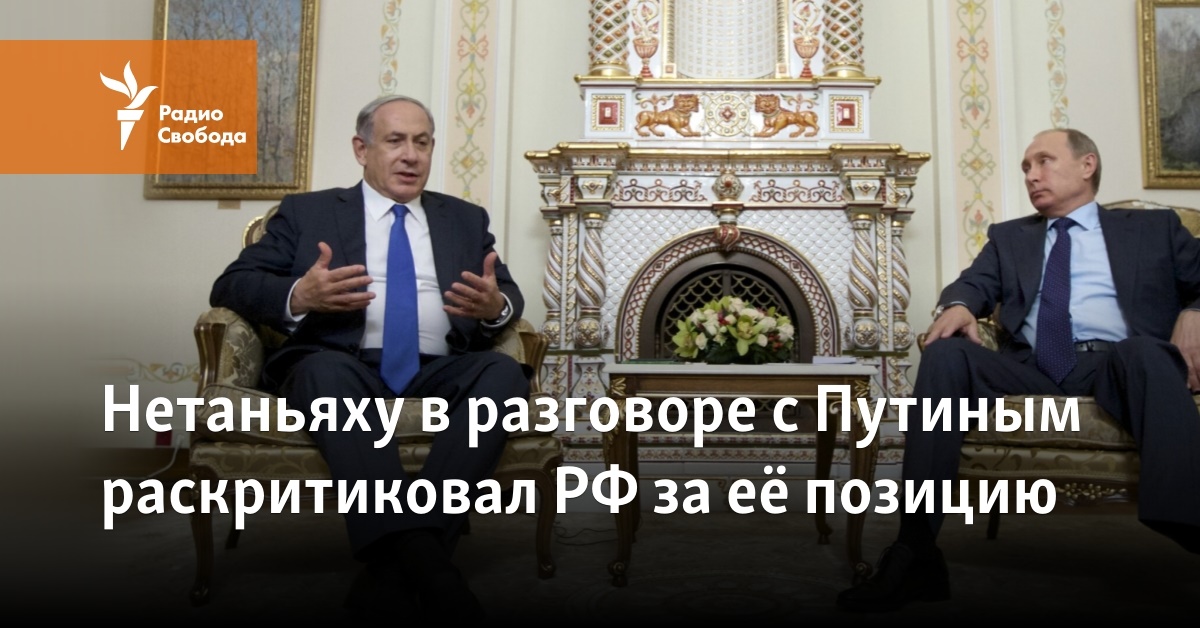
Нетаньяху в разговоре с Путиным раскритиковал РФ за её позицию

83B8982C-8AAB-4026-93C4-CEB8E8A02B73.jpg

Президент России Владимир Путин и премьер-министр Израиля Биньямин Нетаньяху провели в воскресенье телефонный разговор – на фоне продолжающихся боевых действий в секторе Газа. Как сообщается, он продолжался около 50 минут. Стороны не упоминают о том, кто был инициатором разговора. По данным Times of Israel, Нетаньяху на время покинул заседание кабинета министров, чтобы поговорить с Путиным.

В официальных сообщениях о разговоре, которые опубликовали стороны, по-разному расставлены акценты. В сообщении пресс-службы Нетаньяху говорится, что премьер-министр Израиля “выразил недовольство антиизраильской позицией российских представителей в ООН и на других площадках”, а также “подверг резкой критике опасное сотрудничество между Россией и Ираном”. По словам Нетаньяху, любая страна, если бы столкнулась с нападением, подобным нападению радикальной группировки ХАМАС (признана в США и ЕС террористической) на Израиль 7 октября, действовала бы точно так же.

При этом Нетаньяху “выразил признательность России за усилия по освобождению гражданина Израиля, имеющего также российское гражданство” и попросил Путина оказать давление на Красный Крест в вопросе доступа к заложникам, которых удерживает ХАМАС.

В сообщении Кремля говорится, что в центре внимания была “катастрофическая гуманитарная обстановка в секторе Газа”. При этом сказано, что Путин “осуждает терроризм во всех его проявлениях”, но считает важным, “чтобы противодействие террористическим угрозам не приводило к столь тяжёлым последствиям для гражданского населения”. Российская сторона, как говорится в сообщении, готова оказать содействие “в целях облегчения страданий мирных жителей и деэскалации конфликта”. Говорилось ли о каких-то конкретных мирных инициативах, не сообщается.

На днях Путин посетил с визитом ОАЭ и Саудовскую Аравию, а также принял в Москве президента Ирана, страны, с которой Россия активно сотрудничает, в том числе в военно-технической сфере, и которая поддерживает враждебные Израилю силы на Ближнем Востоке, включая ХАМАС. Президент Эбрахим Раиси на встрече с Путиным обвинил Израиль в “геноциде” жителей сектора Газа; Путин не стал возражать.

Совет безопасности ООН 8 декабря не смог принять резолюцию о немедленном прекращении огня в секторе Газа, причиной стало вето США.

Заместитель посла США в ООН Роберт Вуд назвал резолюцию “несбалансированной и оторванной от реальности” и заявил, что она не приведёт к позитивным изменениям на местах. Вуд утверждает, что соавторы документа отказались включить в него осуждение нападения группировки ХАМАС на Израиль и соболезнования жертвам, что просто “непостижимо”. Российский представитель активно выступал в поддержку резолюции и с осуждением действий Израиля.

Госсекретарь США Энтони Блинкен в воскресенье заявил, что Вашингтон выступает за гуманитарные паузы в боях в Газе, но – в данный момент – против перемирия, поскольку группировка ХАМАС всё ещё не разгромлена. При этом Блинкен подчеркнул, что израильские военные должны делать всё возможное для защиты жизней гражданского населения.

  • ХАМАС напал на Израиль в субботу, 7 октября. В ходе нападения в стране погибли более 1200 человек, более двухсот были взяты в заложники, часть из них впоследствии освободили. В ответ Израиль начал военную операцию в секторе Газа, который находится под контролем группировки. По данным палестинской стороны, в результате израильских ударов и наземной операции погибли около 18 тысяч жителей сектора. Бои продолжаются.
Categories
Saved Web Pages - Audio Posts

“Israel was just another tool for Putin, and now his true face is revealed” | CTech

At the end of October, Paris police opened an investigation after antisemitic graffiti was sprayed on buildings with Jewish residents. The police believed it to be a hate crime until they arrested two Moldovan citizens, who quickly confessed and revealed that they had been sent by a Russian agent. Why would a Russian agent instruct foreigners to spray antisemitic graffiti on Jewish homes in France? To answer this, one must understand the modus operandi of Russian President Vladimir Putin.

Behind most of Putin’s moves lies a desire to disrupt world order, to restore Russia to what he sees as its rightful status, and Hamas’ attack on October 7 is just another opportunity to do so. So far, Putin has refrained from condemning the attack, senior members of his government hosted a delegation of Hamas leaders in Moscow, and he even drew parallels between the siege imposed by Israel on the Gaza Strip and the one imposed by Nazi Germany on Leningrad, which resulted in the death of a million people.

4 View gallery

מוסף שבועי 23.11.23 נשיא רוסיה ולדימיר פוטיןמוסף שבועי 23.11.23 נשיא רוסיה ולדימיר פוטין

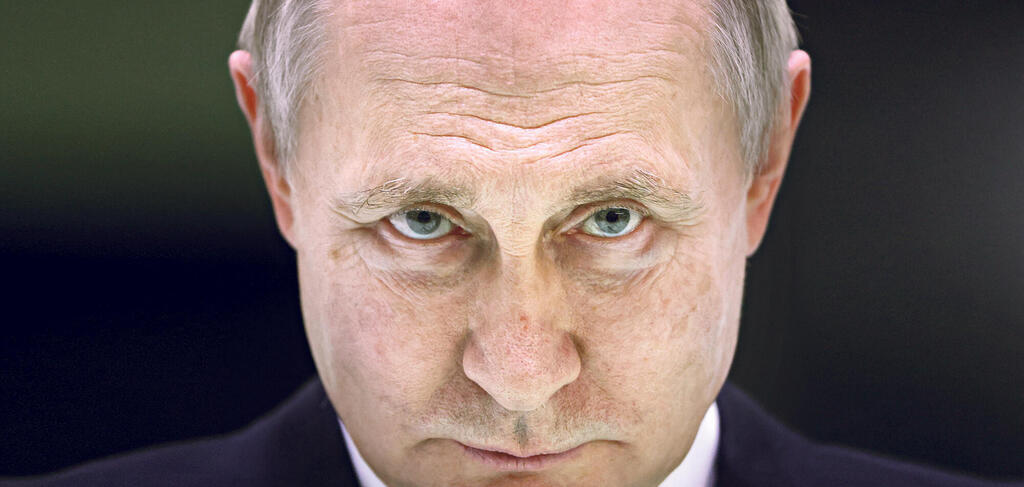
Vladimir Putin.

(Credit: Contributor/Getty Images)

After hundreds of people stormed an airport in Dagestan’s capital of Makhachkala last month in search of Jewish passengers on a flight landing from Israel, Putin blamed Ukraine and the United States for the local unrest. He then expressed sorrow for the suffering of Palestinian children, women, and elderly in Gaza but did not address Hamas’ attack on Israel.

These incidents clarify that the perception that Hamas was not interested in a military confrontation was as misguided as the belief that Putin would not stand against Israel when needed. This misperception was one of the reasons that Israel was the only Western country that did not meaningfully support Ukraine after the Russian invasion, refused to condemn Russian war crimes, and did not join in Western sanctions imposed on Russia.

How did Putin go from granting Netanyahu an achievement in returning Naama Issachar to Israel during the election period and coordinating with Israel regarding attack targets in Syria, to clearly supporting Hamas? How does the same Russian leader who was among the first to call U.S. President George W. Bush to voice support following 9/11, now stand alongside terrorists who committed unforgivable crimes against Jews, despite all experts agreeing that he is not antisemitic?

“Over the years, the relationship between Putin and Netanyahu has been good because, from Putin’s perspective, Netanyahu is similar to him,” says B., a Moscow-based journalist who wishes to remain anonymous for fear of being accused of being a foreign agent. “For the same reason, the relationship between Putin and Erdogan is also good. Putin sees in both leaders many of his own qualities: strong leaders who have been in power for many years and are often isolated due to their prolonged rule.” Another similarity between the leaders is that Putin’s first term in office is unlike those that followed. Netanyahu’s premiership can also be divided before and after 2015 when he became focused on taking over the media and other centers of power to preserve his own.”

B. avoids saying Putin’s full name and refers to him as VVP (the initials of Vladimir Vladimirovich Putin) or PU, fearing that the conversation may be monitored. “You can’t generalize discussing Putin because everything with him is personal and specific,” she says, “but in general, the characteristic that most defines him is that he is an agent of chaos — the more chaos there is in the world, the more he believes he will benefit. Historically, this was also the method of the KGB.”

4 View gallery
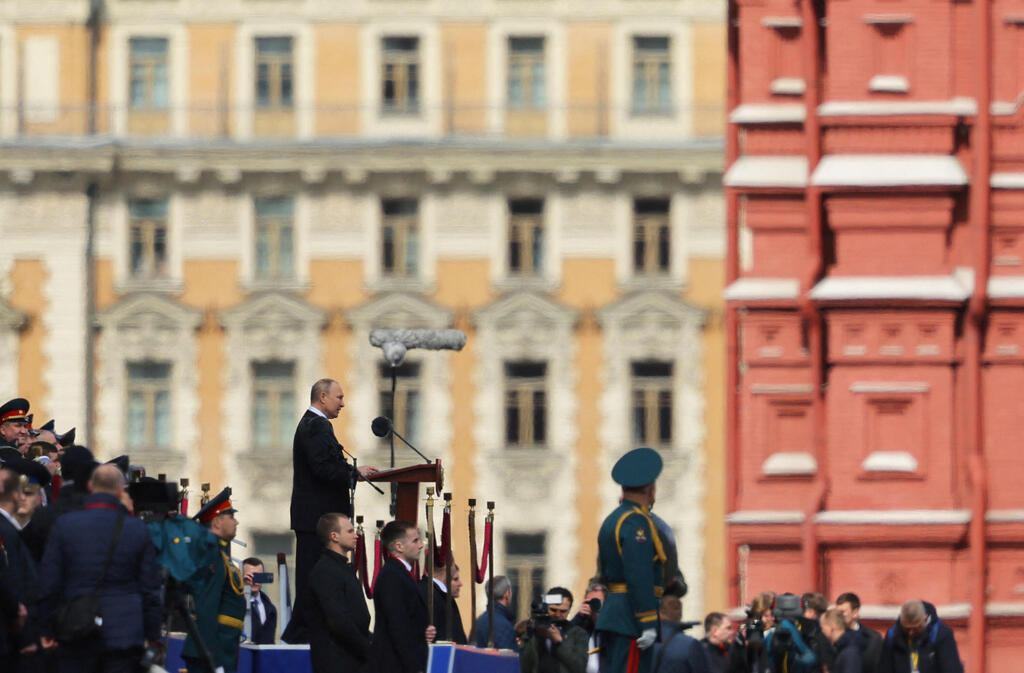
נשיא רוסיה ולדימיר פוטין נואם במצעד הצבאי במוסקבה במאי 2022נשיא רוסיה ולדימיר פוטין נואם במצעד הצבאי במוסקבה במאי 2022

Putin speaking at a military parade in Moscow in 2022.

(Credit: Reuters)

A contemporary example of sowing chaos comes these days from the border between Russia and Finland. Six months after Finland joined NATO to the dismay of Russia, hundreds of undocumented refugees have arrived every week from Iraq, Yemen and Syria at open border crossings between the two countries. Finland believes that Russia is sending them as retaliation for expanding its cooperation with the West, while Russia accuses Finland of hypocrisy. The result is that Finland recently closed several border crossings between the countries, creating a new point of friction, to Putin’s delight.

“Putin enjoys seeing the large protests sweeping through the capitals of Europe and the United States today, and what is happening in American universities,” continues B. “Ironically, Russia now appears to be the safest place for Jews because, due to the draconian laws that allow prolonged imprisonment for those who participate in protests, there are no protests at all — not against Israel and not in favor of it.”

About 300,000 Jews live in Russia, and according to recent surveys, the level of anti-Semitism in the population is not high and decreases with age. According to a survey conducted at the end of October by the Russian-based Levada Center, two-thirds of respondents have not taken any side in the current war in Gaza, 20% support the Palestinians (the survey did not distinguish between all Palestinians and Hamas), and 6% support Israel.

“No one should be surprised by the change in Putin’s behavior,” says Arkady Mil-Man, Head of the Russia Program at the Institute for National Security Studies (INSS) and former Israeli ambassador to Russia. “He has the classic KGB mindset – this is the place that shaped his personality. He sees the world completely differently from us.” Mil-Man, who was one of the founders of the Israeli embassy in Moscow on the eve of the establishment of official relations between the countries and served as Israel’s ambassador to Russia in 1993-1995 and in 2002-2006, is likely one of the Israelis with the most experience with Putin. The two have met many times, and at the beginning of his tenure in the Kremlin, Putin gave Mil-Man preferential treatment and spoke with him more than ambassadors of other countries.

“Putin is not antisemitic,” continues Mil-Man, “and precisely because of that, he saw Israel as another tool in his chest. There was a time when he said that Israel’s security was important because a million former Russian citizens live here. He doesn’t say that anymore. Whoever thinks Putin has a warm place in his heart for Israel is mistaken – Putin sees only how Israel serves his interests, and now that the world has divided again between East and West and he identifies Israel with the West, his true face is revealed.”

Yuli Dubov, a Russian writer and scientist who has been living in London for many years due to persecution by Putin, also believes that the Russian president played a double game over the years and sided with Hamas due to Russia’s dependence on Iran. “Until October 7, it was convenient for Putin to sit on both sides – to be a friend of Netanyahu’s and support Israel, and also to have good relations with Hamas,” he says. “This allowed him to influence both sides. But the game was over and he had to choose a side. Since the war in Ukraine, Russia developed a new dependence on Iran, and Putin had to choose this side.

“When the war in Gaza ends, he will realize what he has done and may try to switch sides again. In the meantime, he will continue to supply weapons to both Hamas and Hezbollah, but also offer to mediate a deal to release the hostages. Israel also can’t take both sides for long regarding the war between Russia and Ukraine. It is possible for a short time, but in the long run, it becomes very uncomfortable.”

Dubov knows Putin well as the right-hand man of Boris Berezovsky, an oligarch and senior Russian government official who fled to London due to a conflict with Putin where he was found dead in 2013. Like Mil-Man, who says that Putin has “undergone a complete metamorphosis since 2002,” Dubov believes that Putin today is not the same Putin of twenty years ago. “As Putin continued to rule, his sense of self-importance grew. Prolonged power turns a person into a monster, and that’s what happened. He wasn’t always a monster, just a regular KGB officer – perhaps not the most honest, but not a monster.” Dubov points out that he knows the person behind the Telegram channel insisting that Putin is dead and that there is a stand-in pretending to be Putin on TV, emphasizing that this is an absolute lie.

A superpower in name only

Putin was born in 1952 in Leningrad (now Saint Petersburg) to a working-class family, after two of his older siblings died in infancy. In 1975, he graduated from law school at Leningrad State University and shortly after enlisted in the KGB, which he later said was a childhood dream. In 1985, he fulfilled another dream when he was sent to Dresden in Germany, the site of German submission to the Allies in 1945, where he received a medal of distinction for cooperation with the German Stasi. With the collapse of the Soviet Union Putin returned to Leningrad, just before it was renamed Saint Petersburg.

In 1991, Putin became an advisor to the mayor of Saint Petersburg, Anatoly Sobchak, the first democratically elected Russian mayor and who led a liberal agenda. After Sobchak lost the mayoral election, Putin moved to Moscow, completed his master’s degree in economics, and joined the party of then-President Boris Yeltsin, who was losing power. In 1998, Putin was appointed head of the FSB, which was essentially a reincarnation of the KGB. In 1999, Putin was appointed prime minister, a then ceremonial and abstract position. Thus, unintentionally, the leader who would dominate Russia for over twenty years began to emerge.

“In hindsight, you can see that from the beginning, what interested Putin regarding the Soviet Union’s dissolution was not building a new Russia but mainly money and power. Although he studied law at the university, the culture in which he grew up in Leningrad is closer to the codes of the mafia,” says Mil-Man. Putin is estimated to hold assets worth $200 billion, hidden in various places around the world, including with oligarchs whose fortune is considered to belong to the Russian president.

“At first, everyone around Putin thought he was harmless, that he could continue connecting to the West on one hand and, on the other, build a system in Russia that superficially resembles democracy, but isn’t really,” explains Mil-Man. “In 2004, then NATO Secretary-General Anders Fogh Rasmussen visited Russia, and what Putin said to him would be incomprehensible today: ‘I hope that the expansion of NATO will contribute to security in Europe’.”

In 2007, Putin spoke at the Munich Security Conference, delivering his first anti-American speech, where he began to talk for the first time about a unipolar world in which the United States dominates and Russia doesn’t have enough prominence. According to Mil-Man, Putin claimed then that the United States had overstepped its bounds and thought it could run the world alone. There are echoes of this argument in Putin’s first reference to October 7, in which he hardly mentioned Israel directly and claimed that the attack was a result of America’s poor Middle East policy.

Since his 2007 speech, one could see Putin’s new style of leadership which includes the suppression of independent media, infringement of individual rights, and assassination of political opponents. One of the most prominent opposition figures was Boris Nemtsov, the former Deputy Prime Minister under President Boris Yeltsin, who became one of Putin’s most vocal critics and was assassinated in 2015. Just a year prior, in 2014, Russia annexed the Crimean Peninsula, which was criticized by the international community, though no significant action was taken to prevent the annexation.

4 View gallery

הפגנה בקייב נגד פוטיןהפגנה בקייב נגד פוטין

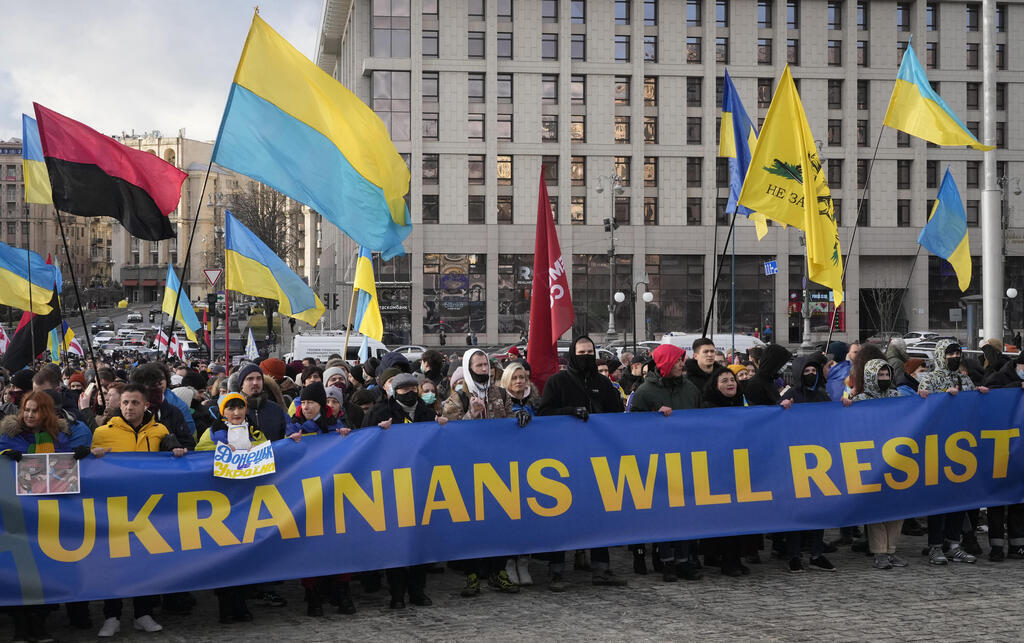
An anti-Putin protest in Kiev in 2022.

(Credit: AP)

Mil-Man also explains Putin’s decision to go to war in Ukraine in terms of his dictatorial style of rule, rather than to prevent Ukraine from joining NATO — something that was not on the agenda at the time. “My interpretation of the invasion is much simpler,” he says. “Ukraine bothers Putin because Ukrainians twice overthrew the regime built there in his image, both in 2004 and in 2014. Ukraine’s desire to change the regime and become a democracy was illegitimate in his eyes.

“Over the years, Putin thought that Russia would rule the world alongside the United States as another superpower, but that didn’t happen because Russia is a superpower in name only,” asserts Mil-Man. “Economically, it contributes a fraction in global trade, and since the invasion of Ukraine, it became clear that Russia is also not a military superpower, and all that defines it as such is that it has nuclear weapons.” In GDP Russia is ranked in the top ten in the world, but in GDP per capita, it lags at 76th place. Before the invasion of Ukraine, the Russian army was considered one of the strongest in the world, but in almost two years Russia is far from achieving its goals and has lost tens of thousands of soldiers.

Today, Ukraine stands at the center of Putin’s policy, dictating his moves, including in relation to Israel and its war with Hamas. In fact, it seems that a regional war in the Middle East is the best news that the Russian president could hope for. As long as the world is focused on Gaza, he can quietly operate in Ukraine without much scrutiny. Additionally, since the United States began providing additional military assistance to Israel, Russia hopes that the Republican party, which has already been reluctant to aid Ukraine, will try to reallocate resources to Israel.

President Biden’s strong stance following the Hamas attack and the deployment of American aircraft carriers in the Mediterranean and the Arabian Sea to deter Iran and Hezbollah surprised the world, including Putin. However, by doing so, the U.S. drew clear battle lines – if the U.S. positions its full military strength, resources, and influence behind Israel, then Russia must be on the other side.

4 View gallery

פגישת ביידן פוטין ז'נווה 16 יוני 2021פגישת ביידן פוטין ז'נווה 16 יוני 2021

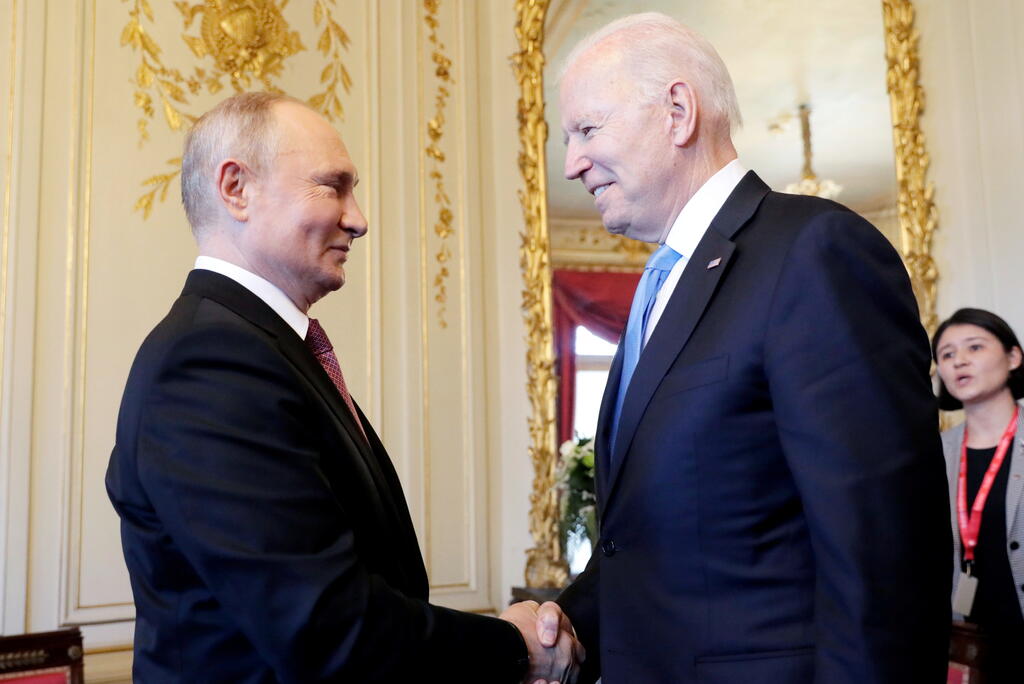
Putin and Biden meeting in 2021.

(Credit: Reuters)

This perception is strengthened by the rapprochement that has taken place in the last two years between Iran and Russia in a pact of alliance of outcasts. The two sanctioned countries have become strategic allies, and, unlike in the past when Russia held the clear hand, Russia is now dependent on Iran to supply them with modern weapons. Furthermore, both Russia and Iran have a common interest in escalating tensions in the Middle East and ensuring that the region remains volatile in order to drive up oil prices. Meanwhile, oil prices remain low compared to the expected $150 per barrel in the event of escalation.

What will Putin do now? Mil-Man, Dubov, and most Russia experts believe that Putin won’t directly intervene in Israel’s war with Hamas and will settle for talks. It is in his interest for the war to last as long as possible, allowing him to throw in an occasional match to spark chaos, and signaling to China to reconsider annexing Taiwan. They believe that Putin is not interested in a third world war because he knows that Russia is not a match for NATO forces. However, the time crunch is working in his favor in another important arena according to latest polls – the potential return of his longtime buddy Donald Trump to the White House, whose idea of world order is the stuff of Putin’s dreams.

Categories
Saved Web Pages - Audio Posts

Телефонный разговор с Премьер-министром Израиля Биньямином Нетаньяху

События

Состоялся телефонный разговор Владимира Путина с Премьер-министром Израиля Биньямином Нетаньяху.

В центре внимания была острая ситуация в зоне
палестино-израильского конфликта и, в частности, катастрофическая гуманитарная обстановка в секторе Газа. Владимир Путин подтвердил
принципиальную позицию неприятия и осуждения терроризма во всех его проявлениях.
Вместе с тем крайне важно, чтобы противодействие террористическим угрозам не приводило к столь тяжёлым последствиям для гражданского населения. Российская
сторона готова оказывать всевозможное содействие в целях облегчения страданий
мирных жителей и деэскалации конфликта.

Кроме того, выражена обоюдная заинтересованность и далее взаимодействовать в вопросах эвакуации российских граждан и членов их
семей, а также освобождения удерживаемых в Газе израильтян.

Условлено о продолжении контактов.

Categories
Saved Web Pages - Audio Posts

The Ukrainian war can only end in a peace deal

Endgame_SE.jpg

In Ukraine, the political mood has become sombre and fractious. As the front lines settle into stalemate, Russia ramps up for a new season of missile and drone attacks, and vital US support for Ukraine’s war effort crumbles under partisan attack in Congress, one existential question looms large. Should Volodymyr Zelensky continue to fight endlessly in pursuit of a comprehensive defeat of Russia which may be unattainable – or should he consider cutting his losses and reaching a compromise?

At the war’s outset, the Ukrainian President had a clear answer.

Categories
Saved Web Pages - Audio Posts

Олаф Шольц призвал к выдержке при оказании помощи Украине – DW – 09.12.2023

67665755_6.jpg

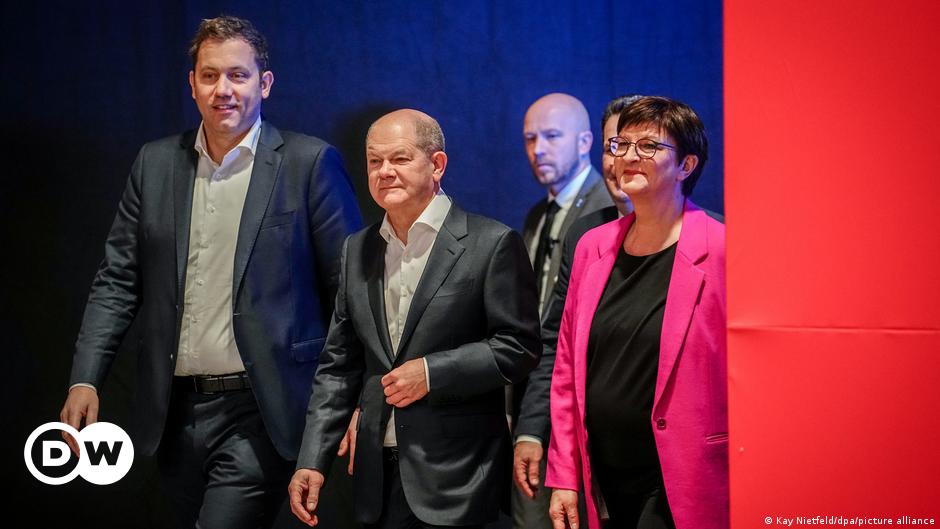
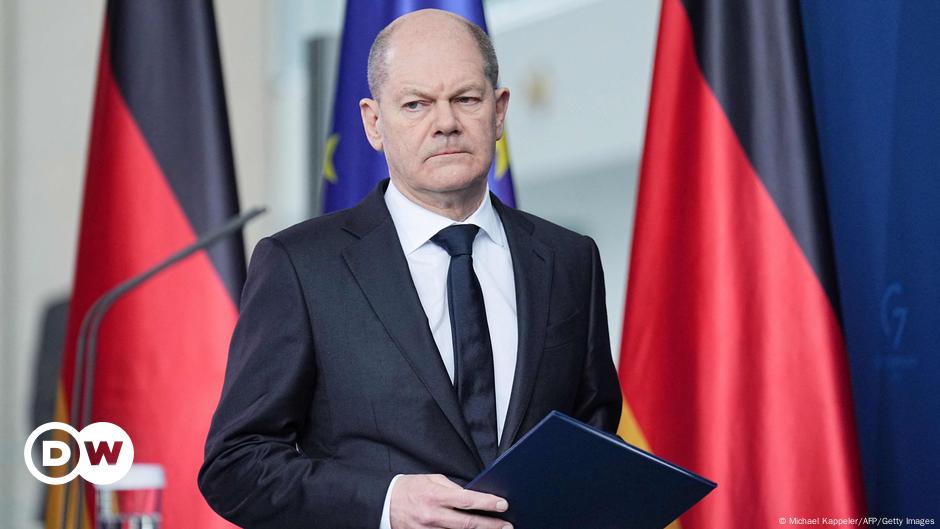
Канцлер ФРГ Олаф Шольц (Olaf Scholz) призвал проявлять выдержку в вопросе оказания помощи Украине Германией. “Эта война, очевидно, так быстро не закончится. Поэтому важно, чтобы мы были в состоянии длительное время делать то, что необходимо, а именно – продолжать оказывать поддержку Украине в ее оборонительной борьбе”, – заявил он на съезде Социал-демократической партии Германии (СДПГ) в Берлине в субботу, 9 декабря.

По словам Шольца, Россия, напав на Украину в 2022 году, полностью разрушила взаимопонимание по поводу мира и безопасности в Европе. “Необходима ясность, что границы в Европе уже не могут передвигаться силой”, – указал глава правительства Германии.

Шольц: Германия должна быть готова увеличить помощь

При этом канцлер отметил, что Германия должна быть готова увеличить помощь Украине, “когда другие начинают колебаться”. Шольц, по все видимости, имел в виду неясную политическую ситуацию в США в преддверии предстоящих в 2024 году президентских выборов, из-за которой выделение нового крупного пакета помощи Киеву оказалось под угрозой.

Олаф Шольц со всей ясностью выразил готовность и впредь оказывать помощь Украине в военной сфере. Президент России Владимир Путин не может рассчитывать на то, что наша поддержка ослабнет, подчеркнул политик – социал-демократ.

Шольц также указал на экономические последствия российского империализма для Германии и других стран. “Мы знаем, что есть последствия, которые затрагивают и нас”, – отметил он в связи с ростом цен, в частности, на энергию. При этом канцлер выразил уверенность в том, что его правительству все же удалось обеспечить хорошее энергоснабжение страны, пусть это и было сопряжено с высокими финансовыми затратами.

Смотрите также:

Categories
Saved Web Pages - Audio Posts

Possible Trump CIA pick threatens to “come after” media critics “criminally”

df5a92ffe441226f4b04253de66c140a

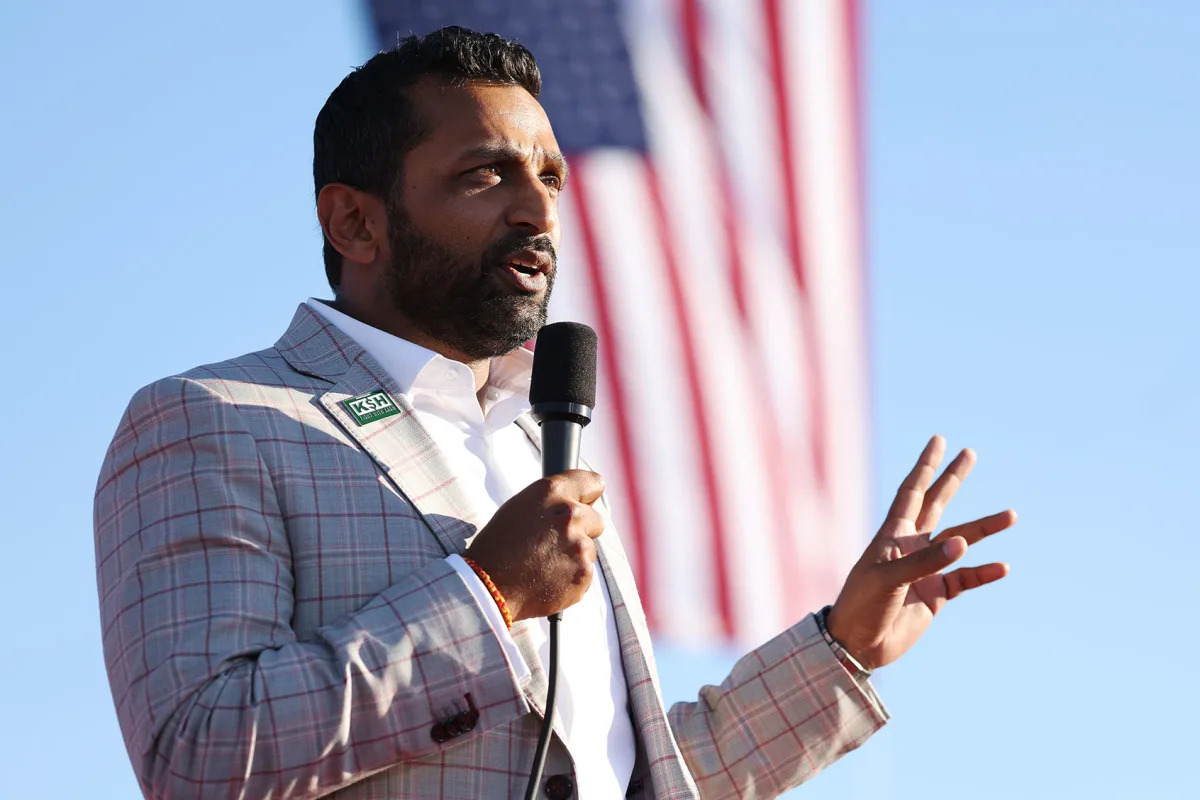
Far-right Trump allies Steve Bannon and Kash Patel said that the former president would target “conspirators” in the media if he wins another term in office, HuffPost reports. During an interview on his “War Room” podcast, Bannon predicted that Patel would be Donald Trump’s CIA director and said that another term for the GOP frontrunner would see the so-called deep state “taken apart, brick by brick,” claiming that people who did “evil deeds” would be held to account and prosecuted.

“We will follow the facts and the law,” replied Patel, a former Pentagon chief of staff who worked for the Justice Department. “We will go out and find the conspirators — not just in government, but in the media. Yes, we’re going to come after the people in the media who lied about American citizens, who helped Joe Biden rig presidential elections.” Patel continued, “We’re going to come after you. Whether it’s criminally or civilly, we’ll figure that out. But yeah, we’re putting you all on notice, and Steve, this is why they hate us. This is why we’re tyrannical. This is why we’re dictators.” Earlier in the episode, Bannon gave an ultimatum to the media, asserting that he was “absolutely dead serious” in his comments and blaming those in the “deep state” for ruining the country.

Trump himself vowed “retribution” earlier this year if reelected and has built his 2024 campaign on anger around his 2020 electoral defeat. The former president declined to say he would abuse power or retaliate against his political opponents in an interview with Fox News’ Sean Hannity Tuesday, adding that he planned to act like a “dictator” on the first day of a new term. The Associated Press reported later on Tuesday that the Trump campaign said Bannon and Patel’s remarks “have nothing to do” with Trump’s aspirations.

Categories
Saved Web Pages - Audio Posts

German Chancellor Olaf Scholz hits record low in new polling – DW – 12/08/2023

60897917_6.jpg

It’s an awkward time for the Social Democrat Party to celebrate itself. The center-left SPD gathers this weekend for its national party conference, in Berlin, on the heels of yet another major poll showing how unloved they are. 

If general elections were held now, the party of Chancellor Olaf Scholz would only receive 14% of the vote. That is another 2% lower than last month’s figure and the lowest since June 2021, according to DeutschlandTrend, a monthly tracking of political sentiment among the German electorate.

The Greens, who support the SPD in a coalition, land slightly ahead at 15%. The government’s third party, the business-first Free Democrats (FDP), would fall under the 5% threshold required to sit in parliament. That is also true of the socialist Left Party, which recently fractured into two groups.

For Scholz, the only way is down

The representative poll, carried out by the research group infratest-dimap surveyed 1,364 eligible voters between December 4-6 by phone and email. Of them, just 17 percent said they are satisfied with the SPD-led government. For Scholz himself, that figure is one-fifth. It’s the lowest approval rating of a German chancellor in the history of the poll, which has been tracking monthly sentiment since 1997.

Scholz’s defense minister and fellow SPD comrade, Boris Pistorius, is polling strongest of the major political figures listed. Foreign Minister Annalena Baerbock, of the Greens, enjoys the second-highest favorability rating, at 38%. And opposition leader Friedrich Merz, chairman of the center-right Christian Democratic Union (CDU) is gaining support and polls in third place.

The current legislative period has been one of crises: the tail-end of the COVID-19 pandemic, Russia’s full invasion of Ukraine, and the ensuing inflationary spiral and energy insecurities. Then last month, Germany’s constitutional court agreed with the opposition CDU/CSU that the government’s budget plans were illegal. It wanted to reallocate more than 60 billion euros ($64.7 billion) in unused credit, earmarked for the pandemic, for climate action.

The ruling has blown a huge hole in public finances, sparking a budget crisis with no clear solution. Broadly speaking, the government can either cut spending, raise taxes or declare a public emergency that would allow raising debt beyond constitutional limits.

No clear way out

Polling suggests that voters are as unsure as their elected officials on the least bad way forward. The largest number of them, 47%, are for cuts, while 35% are for more borrowing. Very few want to pay more in taxes. 

If cuts do come, two-thirds of voters appear comfortable with sacrificing low-income benefits, in a scheme known as “citizens’ money.” More than half would claw back savings in military aid to Ukraine. There is also a plurality of respondents, 41%, who would cut support for making the economy more climate-friendly.

The drop in support for climate action comes against the backdrop of the COP28 gathering in Dubai. A solid majority, 62%, expressed the view that Germany has done plenty to combat climate change and that other countries need to step up.

Still, 7 in 10 German voters think that lifestyle changes are essential to stopping climate change — a high number, but off its peak when the same question was asked in 2019.

This article was originally written in German.

While you’re here: Every Tuesday, DW editors round up what is happening in German politics and society. You can sign up here for the weekly email newsletter Berlin Briefing.

Categories
Saved Web Pages - Audio Posts

Ukraine’s Zelensky appears increasingly embattled as U.S. backing wavers

JQ7IFIFDSEP336EYCQ5KKVRBEQ_size-normaliz

Save

KYIV — Anxiety is mounting in Ukraine as disagreements in Washington continue to stall billions of dollars of urgently needed wartime funding — aid that officials here say is crucial to keep the country running as the war with Russia grinds on.

The strain in the relationship between Kyiv and Washington comes as internal political divisions have resurfaced for President Volodymyr Zelensky, with fears over the potential gaps in funding feeding into other tensions in the capital. Relations between officials who have previously maintained a public appearance of unity are now openly fraying.

A delegation of top Ukrainian officials visited Washington this week to plead for more funding for both the military and the national budget — calls that appear to have gone unheard as Senate Republicans once again blocked the proposed aid, which has been tied to controversial border control measures.

Zelensky was due to virtually address a House and Senate briefing this week but canceled at the last minute as the meeting descended into a chaotic shouting match about U.S. border policy. His cancellation was highly unusual for a leader who has not typically turned down opportunities to advocate for Ukraine, prompting questions over whether he backed out on the advice of his Ukrainian colleagues or U.S. officials.

Oksana Markarova, Ukraine’s ambassador to the United States, told a Ukrainian television broadcast that “nothing catastrophic actually happened” and added that “precisely because they discussed not only Ukraine’s issues, but also internal issues, we did not participate.”

However, the difference between passing the billions in aid for Ukraine by the end of this year and doing so in January is critical for Ukraine, said Oleksandra Ustinova, a parliamentarian and head of the Holos party faction.

About a third of Ukraine’s budget comes from U.S. financial assistance, she said, and if that money doesn’t come through, Kyiv might not be able to pay basic salaries for doctors, first-responders and others.

“It’s literally going to be a huge problem because if we do not survive as a state, we cannot win a war,” Ustinova said.

She also pointed to Ukraine’s dependence on U.S.-produced munitions for air defense systems. Ukrainians are expecting a difficult winter with Russia likely to again target its energy infrastructure with missiles and drones to leave people without power.

In her most recent trip to Washington, Ustinova sensed a growing fatigue in support for the war. She said she was often asked, “What is the plan?” and “How long will this take?”

“And what I’m telling them is that unfortunately the plan we have cannot be covered by the existing quantities of weapons,” she said. “It’s difficult for us to plan something when we’re lacking ammunition.”

On Wednesday, the State Department announced an additional $175 million in security assistance to Ukraine, including air defense munitions and ammunition but warned that without congressional action “this will be one of the last security assistance packages we can provide to Ukraine.”

Some officials, though, remained optimistic that allies in Washington would step up before the end of the year. Yulia Svyrydenko, the first deputy prime minister and economy minister, who visited Washington last month, said she hopes the aid package will be announced by Christmas.

“We have repeatedly heard from our partners that they will continue to support us, and they have never broken their promise. We have no reason to doubt the reliability of our partnership,” she said.

There is still the challenge of staying at the forefront of allies’ minds, however. Tymofiy Mylovanov, head of the Kyiv School of Economics and a former government minister, said global attention shifting to Israel’s military operations in Gaza and Ukraine’s “overhyped” counteroffensive not meeting expectations have both contributed to slumping support from both the United States and the European Union.

“Will Ukraine fall because of this? No, unlikely,” Mylovanov said. “But will many more people die? Yes. Will that limit the ability of Ukraine to have capable troops? Yes. It’s all attritional. It’s a long war, obviously — now everyone has come to realize that, including me.”

Trying to ascribe blame for why the counteroffensive in Ukraine’s eastern and southern regions wasn’t more successful has also stoked political rifts at a moment when Ukraine might want to appear to its Western partners as unified, he said.

“Things are tough, so everyone’s on edge,” Mylovanov said. “From the rational perspective of course, that’s the wrong thing to do.”

Kyiv Mayor Vitali Klitschko said in a recent interview with Germany’s Der Spiegel that Ukraine is turning toward authoritarianism, adding, “At some point we will no longer be any different from Russia, where everything depends on the whim of one man.”

Then Petro Poroshenko, who served as president of Ukraine before Zelensky and is now leader of the opposition in parliament, was prevented by authorities from leaving the country a week ago in what analysts view as a political slap from Zelensky’s administration.

Poroshenko claimed that his trip abroad, which included a trip to the United States to meet with lawmakers and other officials, was intended to lobby support for Ukraine. The internal intelligence agency, the SBU, which answers to the presidential office, said Saturday that it had blocked Poroshenko’s departure to prevent his trip from being used for propaganda purposes by Russia.

Ukrainian and U.S. officials have also noted friction between Zelensky and his commander in chief, Gen. Valery Zaluzhny. The 50-year-old Zaluzhny rarely makes public statements, and though he’s never revealed any political ambitions, his popularity in Ukraine rivals Zelensky’s.

Analysts said that if he chose to run for president in the future, he would present the biggest challenge to Zelensky. The Ukrainian legislation prevents elections from being held during martial law, and Zelensky has said that he personally is against holding them while the country remains at war.

Tension between the two increased after Zaluzhny asserted in an interview with the Economist that the war had reached a “stalemate” and that “there will most likely be no deep and beautiful breakthrough” for Ukraine on the front line like in successful counteroffensives last year.

Zelensky publicly rebuked Zaluzhny’s “stalemate” assessment, and in the weeks since, there have been changes made to the country’s military leadership, replacing the commanders of special forces and medical forces. Both personnel changes were made by the Ministry of Defense, bypassing Zaluzhny despite the commanders reporting to him.

A member of parliament in Zelensky’s Servant of the People party, Mariana Bezuhla has been repeatedly criticizing Zaluzhny on Facebook, polling followers on if he should be replaced. Klitschko and Poroshenko have expressed support for the general.

Defense Minister Rustem Umerov, who was in Washington this week, defended Zelensky on Fox News, saying Klitschko’s “comments indicate the beginning of the political season.”

He also said that resorting to negotiations with Russia would be a “shame for the civilized world” and only encourage violent authoritarianism.

Many in Ukraine fear that they could be forced to negotiate with Russia if Western partners, including the United States, perceive the battlefield as having stalled. Zelensky has long insisted that the only acceptable outcome of the war will be to return Ukraine to its borders established in 1991.

President Biden has been pushing for the Senate to quickly come to a resolution before the end of the year, scolding lawmakers this week for thus far failing to approve aid for Ukraine. “History is going to judge harshly those who turned their backs on freedom’s cause,” he said after the vote failed to pass Wednesday.

Andriy Yermak, a top aide to Zelensky who was in Washington this week, said in remarks at the U.S. Institute of Peace that U.S. support remains crucial to Ukraine’s fight. Without it, he said, “it will be difficult … for the people to really survive.”

Olena Tregub, a member of the Anti-Corruption Council of the Ukrainian Ministry of Defense, which monitors defense procurements, said that she has been told by “people involved in defense procurement” that “for the front line, the moment is critical now.” She said the situation on the front line “is maybe worse than [Ukraine’s] partners estimate, because the signals definitely are not good,” as she has heard “a lot of small stories here and there when our military were lacking things.”

“Even though the majority of Ukrainian society — they probably still believe that everything will be solved and it’s just like a bargaining game, internal political game, happening in the U.S.,” she said. “But I really fear the situation will get out of control. And there is no plan B. … If Congress fails to pass the funding, then I don’t know — it will be very, very negative for Ukraine.”

Kamila Hrabchuk contributed to this report.

Categories
Saved Web Pages - Audio Posts

Michelle Gurevich – Russian Romance

From the album New Decadence

iTunes: https://goo.gl/mupJkS

Bandcamp: https://goo.gl/ahSEpj

Follow: https://goo.gl/G3MTRr

Shot by Robin Thomson, directed and edited by Michelle Gurevich