Categories
Saved Web Pages - Audio Posts

Biden Vs. Trump 2024 Election Polls: Biden Takes Slight Lead In Some Polls After Trump’s Conviction

0x0.jpg?format=jpg&height=900&width=1600

A recent string of polls overlapping with former President Donald Trump’s felony conviction last week show President Joe Biden beating Trump, after surveys have consistently shown Trump with a narrow lead.

Trump and Biden remain virtually tied, as Trump’s early polling lead slips

AFP via Getty Images

Of four major polls that overlapped with Trump’s conviction Thursday in Manhattan, Biden leads in two of them: He’s ahead by two points in a Reuters/Ipsos survey taken Thursday and Friday and by one point in a Morning Consult survey taken Friday, while the race is tied in an I&I/TIPP survey taken Wednesday to Friday and Trump leads by two points in a HarrisX survey conducted Thursday and Friday.

While the polls appear to be a positive sign for Biden’s campaign, all of the results fall within the polls’ margins of error, and the I&I/TIPP poll shows an improvement for Trump since the group’s May survey, when he trailed Biden by two percentage points.

The polls follow a NPR/PBS/Marist poll released Thursday that found Biden would beat Trump, 50% to 48%, in a two-way matchup, but would lose by four points with third-party candidates—independents Robert F. Kennedy Jr. and Cornel West, and Green Party nominee Jill Stein—on the ballot.

In the the seven crucial swing states that will likely decide the election—Arizona, Michigan, Wisconsin, Nevada, Georgia, North Carolina and Pennsylvania—all of which Biden won narrowly in 2020 with the exception of North Carolina, polls consistently show Trump leads Biden.

A May Cook Political Report survey found Trump up by three points in the seven states, a May Bloomberg/Morning Consult poll found Trump leads Biden by four points overall across the battleground states, and an April New York Times/Siena/Philadelphia Inquirer poll found Trump would beat Biden in five of six swing states (Pennsylvania, Arizona, Michigan, Georgia and Nevada), with the exception of Wisconsin.

On a national scale, other May polls show Trump and Biden are virtually tied, including an Economist/YouGov survey that found Trump beating Biden by just one point in a five-way race, a Fox News poll that found Trump leading by one point in a head-to-head matchup, a Reuters/Ipsos poll that found Trump and Biden were tied, while Morning Consult’s weekly poll taken May 26-28 shows Trump leading Biden by two points.

A Manhattan jury found Trump guilty on Thursday of 34 felony counts of falsifying business records in a scheme to cover up hush money payments to adult film star Stormy Daniels and illegally influence the 2016 election. Trump pleaded not guilty in the case and has vowed to appeal the verdict.

Surprising Fact

In a race this close, Kennedy has the potential to sway the election—though it’s unclear in whose favor. A May Emerson poll found Trump widens his lead over Biden, from two points to five, with Kennedy, independent Cornel West and Green Party candidate Jill Stein in the mix. Kennedy received 6% support, while 10% of voters said they were undecided. The May Fox poll shows Trump’s lead increases two points with the three independents on the ballot. The Times/Siena/Inquirer survey found Kennedy draws votes from key Biden supporters. Kennedy has the support of just 10% of voters in six battleground states in a six-way contest, but support grows to 18% for voters between the ages of 18 and 29 and 14% for Hispanic voters. And the recent Harvard CAPS/Harris poll shows Trump’s five-point lead is unchanged with Kennedy on the ballot. Meanwhile, an April NBC poll found Biden trailing Trump by two points in a head-to-head race, but beating him by two with Kennedy and other third-party candidates on the ballot.

Polls seem to be skewed in Trump’s favor by disengaged voters who may not participate in the 2024 election, according to a New York Times analysis that found Biden led the last three Times/Siena polls among 2020 voters, but trailed among registered voters overall.

Tangent

Polls have consistently suggested Biden—and the Democratic party as a whole—have been losing support among key demographics, including Black, Latino and younger voters. The May NPR/PBS/Marist survey found young voters under 45 prefer Biden over Trump by just 4 points and Biden leads among Gen Z/Millennials by 6 points in a head-to-head matchup, but the vote swings in Trump’s favor among the two groups (by 6 points among Gen Z/Millennials and 8 among voters under 45) with third-party candidates in the mix. An April New York Times/Siena/Philadelphia Inquirer poll also found Biden is tied with Trump among Hispanic voters in the six battleground states (Pennsylvania, Arizona, Michigan, Georgia, Wisconsin and Nevada) and trailing him by four points among 18- to 29-year-olds, two groups who voted for Biden by more than 60% in 2020, according to the Times. Biden also appears to be losing support in Democratic strongholds, such as New York, where he’s up nine points over Trump, according to a May Siena College survey, after beating Trump there by 23 points in 2020.

Key Background

Biden and Trump are poised for a historic rematch after clinching their respective parties’ nominations in March, ending the primary season much earlier in the year than in previous elections. Polls show historically low voter enthusiasm as both candidates have relatively low favorability ratings below 45%. The NBC poll found 64% voters said they were “very interested” in this year’s election, a 20-year low. Trump has centered his campaign around his legal woes, accusing prosecutors and judges in the cases of working at Biden’s behest to hurt his chances of winning the election, though there’s no evidence suggesting the notion is true. Biden, meanwhile, has cast Trump as a threat to democracy, citing his role in the January 6 Capitol riots, and has hammered Trump over his appointment of Supreme Court justices who voted to overturn Roe v. Wade. Polls show the economy, immigration, abortion and inflation are consistently top issues for voters, while the New York Times/Siena/Inquirer survey found a majority trust Trump over Biden to handle the economy, crime and the Israeli-Palestinian conflict, but trust Biden more than Trump on abortion. Biden has seen some gains in polls since both candidates clinched their parties’ nominations and the president has ramped up his campaign activity. Trump’s polling lead over Biden has decreased more than three percentage points, to 0.5, since the end of January, according to RealClearPolitics’ poll tracker, while the Economist poll tracker shows Trump leading by one point, after showing a tie for almost all of April and May after Trump had been leading Biden since September.

These Are The Six Swing States Trump Needs To Take From Biden To Win In November (Forbes)

RFK Jr. Candidacy Hurts Trump More Than Biden, Poll Reports (Forbes)

Biden Gains Ground Over Trump In Swing States, New Poll Finds—It’s The Latest Survey Showing Positive Signs For Biden (Forbes)

Categories
Saved Web Pages - Audio Posts

In Former Soviet States, a Tug of War Between East and West

  • The Latest
  • Photos
  • Ukraine’s Taken Children
  • Using the West’s Weapons
  • U.S. Ammunition Factory
  • Families at the Border

Geopolitical rivalry, intensified by fighting in Ukraine, is amplifying domestic struggles in countries like Georgia and Moldova whose people are split on which side to support.

Listen to this article · 8:27 min Learn more
Protesters waving flags at a protest.

Pro-Western demonstrators at a rally in Tbilisi, Georgia, last month as the government pushed a foreign influence bill.Credit…Natela Grigalashvili

June 3, 2024Updated 5:55 a.m. ET

In Georgia, protesters waving European Union flags have rallied against what they see as their pro-Russia leaders. Moldova’s government is pushing to join the bloc, enraging citizens hoping for closer relations with Moscow. Armenia, too, has reached out to Europe, angered that Moscow, a longtime ally, is courting its enemy, Azerbaijan.

Fueled in part by the Ukraine war, tensions have been mounting within some of the former lands of the Soviet Union, pitting those favoring closer relations with Russia against those orientated more toward Europe.

Many of those tensions predate the war, rooted in longstanding domestic struggles over power, money and other issues, but they have been amplified by geopolitics, with both Russia and the West pushing countries to choose a side.

Across the former Soviet Union “the whole context is now shaped by how the Ukraine war has radicalized competition between Russia and the West,” said Gerard Toal, author of “Near Abroad,” a study of Russia’s relations with former Soviet territories.

Fearful of losing influence, Moscow has issued blunt warnings to countries like Georgia and Moldova: Remember what happened in Ukraine. Without threatening to invade either country, it has pointed to the tumult and bloodshed that followed Ukraine’s tilt toward the West after a popular revolt in 2014 ousted its pro-Russian president.

Russia is also hoping that recent successes on the battlefield in eastern Ukraine can help reverse the many setbacks it suffered to its prestige and influence in a string of former Soviet states earlier in the war.

“Russian information campaigns have been fueling this idea that closer alignment with the West threatens a war that only Russia can win,” said Nicu Popescu, the former foreign minister of Moldova. “Everything depends on Ukraine.”

With the war’s outcome looking increasingly uncertain, “Russia is enjoying the West’s discomfort,” said Thomas de Waal, an expert on the former Soviet Union with Carnegie Europe, a research group.

A Ukrainian soldier firing a rocket-propelled grenade in Serebryanka Forest, eastern Ukraine, in February.Credit…Tyler Hicks/The New York Times

Russia has much ground to regain, and some of its losses may be irreversible.

Distracted by the war and determined to expand relations with Azerbaijan, a rising energy power, Moscow last year alienated one of its closest allies, Armenia, by ordering Russian peacekeepers to stand aside when Azeri troops took over Nagorno-Karabakh, a disputed mountain enclave. Armenia later said it was considering applying to join the European Union and leaving a Moscow-led security pact.

Moldova has ramped up its efforts to join the European Union, which in 2022 granted it candidate status. Last week, Secretary of State Antony J. Blinken visited Moldova to show American support for Ukraine and neighbors that could potentially be at risk.

But even in Georgia — which was invaded by Russia in 2008, lost 20 percent of its territory to Moscow-backed separatists and harbors deep anti-Russian sentiments — a substantial minority still want to improve at least economic ties with Russia.

“This is not because they like Russia but because they are afraid of Russia,” said Koba Turmanidze, director of the Caucasus Research Resource Center, a research group in Tbilisi, the Georgian capital.

A Russian Army truck driving through an Armenian border guard post on the road leading to Nagorno-Karabakh on Friday. Moscow last year alienated one of its closest military allies, Armenia, by ordering Russian peacekeepers to stand aside when Azeri troops took over the region.Credit…Nanna Heitmann for The New York Times

Mr. de Waal of Carnegie Europe said that while Georgia wanted to stay out of the Ukraine conflict, “It sees that the war is blowing more in Russia’s direction. It is tilting more toward Russia while trying to stay nonaligned.”

The Georgian government, though officially striving to join the European Union, a goal widely supported by the population, has used fear of Russian retaliation to justify its refusal to join European sanctions against Moscow.

The governing party, Georgian Dream, Mr. Turmanidze said, would never say it is siding with Russia against Ukraine because “that would be political suicide,” given public hostility to Moscow. But it has taken steps, notably a controversial law on foreign influence that set off weeks of street protests, that “are Russian in style,” he added.

Maintaining influence over former Soviet lands, has been a goal of Moscow since the early 1990s but was given new emphasis in a revised “foreign policy concept” signed by President Vladimir V. Putin last year.

The document committed Russia to preventing “color revolutions,” Moscow’s term for popular uprisings “and other attempts to interfere in the internal affairs of Russia’s allies and partners” and “preventing and countering unfriendly action of foreign states.”

Casting recent street protests in Georgia as a replay of what, in Moscow’s view, was a C.I.A.-orchestrated coup in 2014 in Ukraine, the Russian foreign ministry warned last week that the demonstrations in Tbilisi were “just like what happened in Ukraine.”

The Russian foreign ministry warned last week that demonstrations in Tbilisi against the new law on foreign influence were “just like what happened in Ukraine.”Credit…Irakli Gedenidze/Reuters

And “look how the situation is developing in Moldova,” the ministry’s spokeswoman, Maria Zakharova, added, referring to tensions there ahead of an October referendum on joining the European Union. Opinion is divided in Moldova between those who favor closer integration with Europe and those looking to Russia.

“This looks like the very scenario that was prepared by Western masters for Ukraine,” Ms. Zakharova said.

The 2014 street protests in Kyiv that toppled Ukraine’s elected president, Viktor F. Yanukovych, were triggered by public outrage over his rejection of a trade and political deal with the European Union that he had pledged to sign.

“Russia’s general narrative is that there is a geopolitical conspiracy by the West to subvert the sovereignty of independent states,” Mr. Toal said.

The West, too, has its own Ukraine-framed story, one that Mr. Blinken recited last week in Moldova.

“Moldovans are acutely aware that what happens in Ukraine matters not just to Ukrainians, but to Moldovans, too,” Mr. Blinken said at a news conference with Moldova’s president, Maia Sandu. Left unchallenged, he said, Russia “would not stop at Ukraine.”

Secretary of State Antony J. Blinken, second from left, visited Moldova to show U.S. support for Ukraine and its neighbors who could potentially be at risk. Right of him are Prime Minister Dorin Recean and the U.S. ambassador to Moldova, Kent D. Logsdon.Credit…Pool photo by Vadim Ghirda

A few weeks earlier, customs officers at Moldova’s international airport found more than $1 million in cash in the luggage of some Russia-aligned politicians returning from Moscow.

Mr. Popescu, who stepped down as Moldova’s foreign minister in January and is now a fellow with the European Council on Foreign Relations, said the money was for financing political activities ahead of the October referendum and a presidential election at the same time.

“You are allowed to do politics, but you cannot bring in bags of cash from Russia,” he said.

He said the danger of a direct military intervention in Moldova by Moscow, a serious fear at the start of Russia’s full-scale invasion of Ukraine, has receded. But recent advances by Russian troops “are a worry,” he added. “They are still a long way from us, but everything hinges on the outcome of the war.”

The war has become the organizing principle around which even narrow domestic disputes now revolve, turning domestic quarrels into high-stakes geopolitical confrontations.

The recent tumult in Georgia over the foreign influence law was in many ways “a local power struggle between different political networks,” Mr. Toal said, but, the war turned it into a “battle shaped by geopolitics.”

But what protesters see as evidence of their government’s shift away from the West toward Russia is, in the view of some analysts, a sign of narrower concerns ahead of an October election — like getting a Swiss bank to unfreeze billions of dollars belonging to the country’s most powerful oligarch, Bidzina Ivanishvili, the founder of the Georgian Dream party.

The 2014 street protests in Kyiv were triggered by public outrage over the president’s rejection of a landmark trade deal with the European Union that he had earlier pledged to sign.Credit…Sergey Ponomarev for The New York Times

Mr. Ivanishvili has been involved in a long dispute with Credit Suisse bank over his money. After winning several court cases and recovering some cash, the Ukraine war added a new hurdle with the 2022 freezing of $2.7 billion because of concerns over its potential Russian origin.

His party believes that Washington forced the freezing of the money to try to get Georgia to side with the West against Russia.

Whatever the truth, the financial blow made him more determined to confront his perceived domestic enemies whatever the cost, Mr. de Waal said.

“He is paranoid and thinks this is part of a worldwide conspiracy against him,” he said.

Categories
Saved Web Pages - Audio Posts

Viral ‘All Eyes on Rafah’ image inspires wave of AI-generated Instagram posts about Israel-Hamas war

6a08157c7bc3d272c19d658ea223c74f

Dozens of images related to the war in the Gaza Strip that appear to have been made using artificial intelligence have spread across Instagram in recent days following the viral success of a post calling for “All Eyes on Rafah,” which has now been shared more than 47 million times.

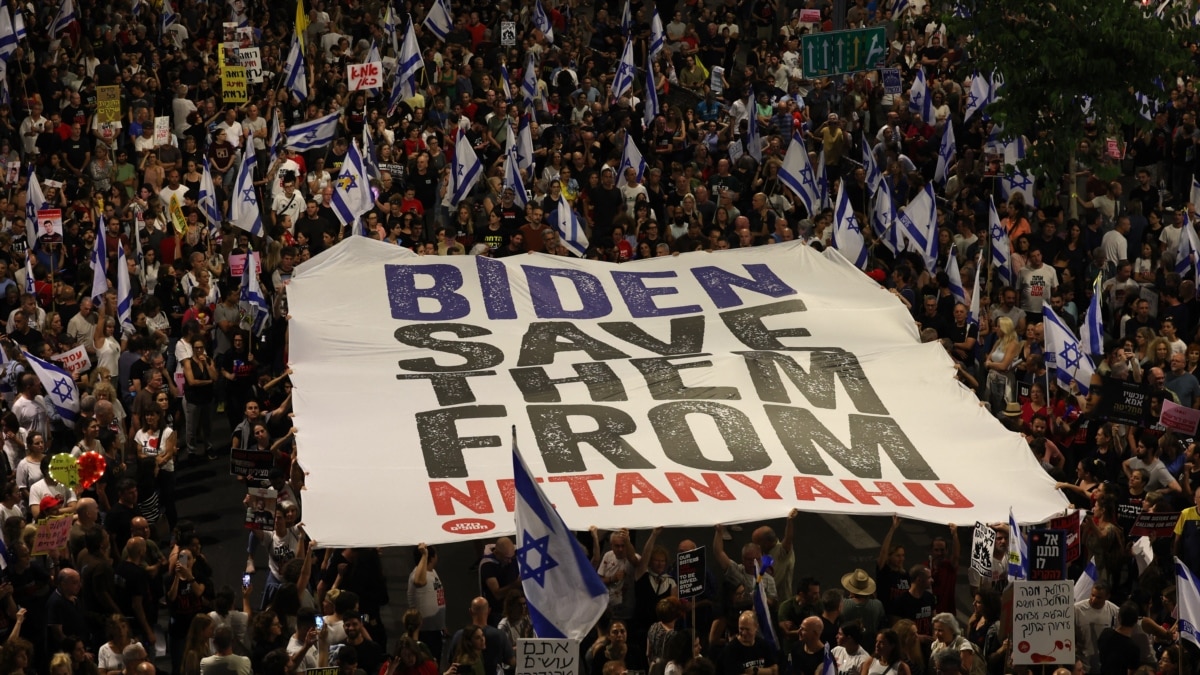
The images, a mix of pro-Irsael and pro-Palestinian posts, include imitations of the original Rafah post as well as more graphic depictions, including a bloodied Israeli Prime Minister Benjamin Netanyahu and an Israeli child confronted by a Hamas fighter. One seemingly AI-generated image shows a large crowd gathered in a town square with giant block letters spelling out “bring them home now,” a reference to the 125 Israeli hostages who remain in captivity in Gaza. It’s been shared over 134,000 times on Instagram.

A seemingly AI-generated pro-Israel image responding to the viral

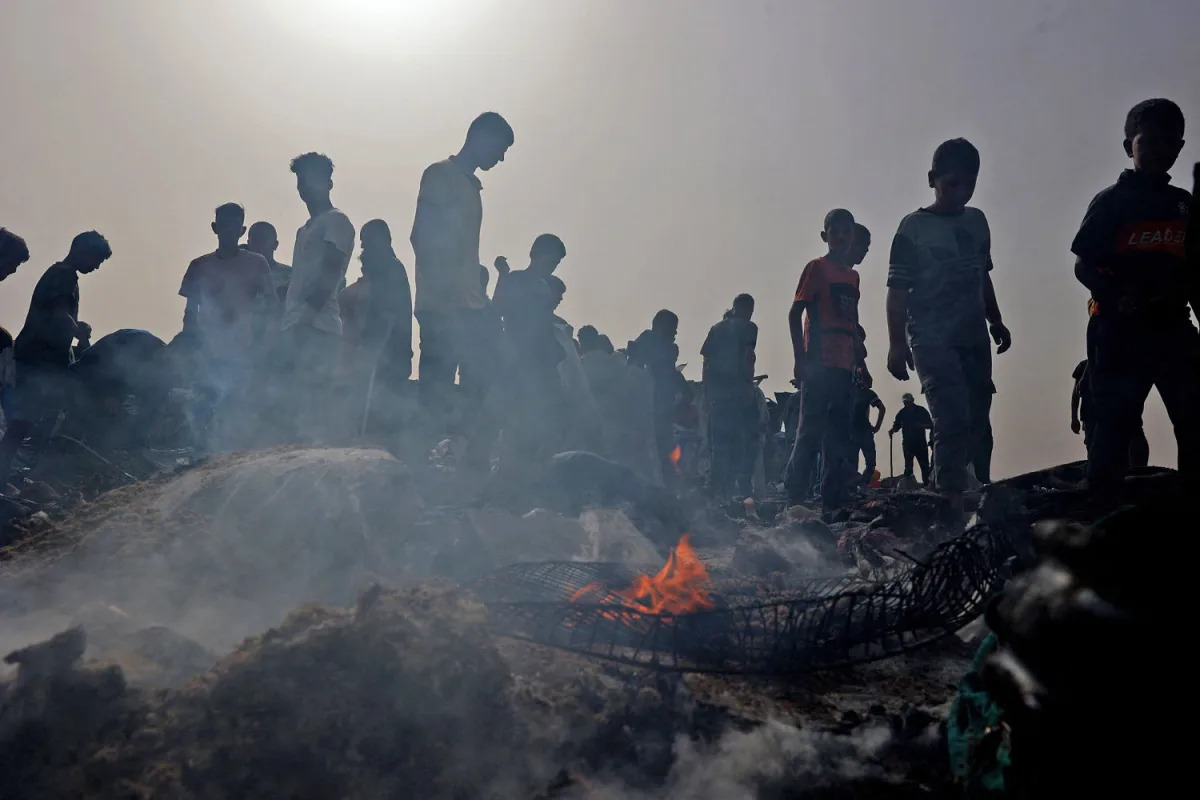
The sudden and rapid spread of the images comes as international attention has been refocused on Israel’s push into Rafah following an Israeli airstrike that local officials said killed at least 45 civilians Sunday.

The proliferation of the images adds to what has been an ongoing battle for attention on social media between voices supporting Israel and its campaign in Gaza and those supporting Palestinians. And while AI images have increasingly become common across the internet, their use on Instagram — a platform that has at times eschewed news while remaining a crucial outlet for Palestinian journalists — underscores how the technology is already beginning to influence political speech online.

Shortly after the “All Eyes on Rafah” image began to go viral, pro-Israel images began to circulate. The images bear many of the hallmarks of AI-created content, including repeated or blurred visual elements. Some accounts and people who have posted the images have been explicit about their use of AI to create them.

The images have posed a challenge for Meta, particularly around how to enforce its policies against AI-generated content and depictions of violence.

On Wednesday, several Israeli media outlets reported that a pro-Israel Instagram template responding to the “Rafah” image was removed from Instagram by the platform. The AI-generated image showed a Hamas gunman standing over a baby in a puddle of blood and a burning Israeli flag with text reading, “Where were your eyes on October 7?”

An AI-generated image posted to Instagram imitating the style of the original

Israel’s official Instagram account published several responses about the removal of the image, complaining in one now-deleted post, “Instagram decided to take down the template, intentionally silencing people from sharing what happened on October 7th.”

The Times of Israel has reported that the original post had been reinstated. Meta said that the image did not violate its terms of use and was mistakenly removed.

Many of the images have been uploaded to Instagram’s “template” feature that lets users quickly share posts to their own accounts.

Some viral templates show graphic images that appear to be made by AI, including one that falsely depicts Netanyahu in different contexts, including with blood on his hands and body. One image, which was shared 5 million times on Instagram, depicted Netanyahu in a waist-high pool of blood, with accompanying text saying “terrorist baby killer!”

Meta has said that it hopes to not amplify political content heading into the 2024 presidential election, but the spread of such images suggests that the platform may be struggling to accomplish that goal in the age of AI.

Despite a new initiative from Meta to more strictly label AI-generated content on its platforms, none of the templates seen by NBC News contained clarifications that the images were made with AI.

Following the virality of the original “Rafah” image, many pro-Palestinian activists criticized the use of AI in sharing their message, arguing that it was sanitizing the real horrors of the war.

This article was originally published on NBCNews.com

Categories
Saved Web Pages - Audio Posts

Израиль принял план Байдена по прекращению войны в секторе Газа

01000000-0aff-0242-af87-08dc82af8bdd_w12

Израиль согласился с основными положениями плана президента США Джо Байдена по прекращению огня в секторе Газа, заявил газете Sunday Times советник израильского премьер-министра Беньямина Нетаньяху по внешней политике Офир Фальк.

Одновременно Офир Фальк охарактеризовал проект как несовершенный и требующий значительной доработки.

“Сделка, на которую мы согласились, не очень хороша, но мы очень хотим, чтобы все заложники были освобождены”, – сказал Фальк. В то же время он отметил, что Израиль не отказывается от своих условий, которые помимо возвращения заложников включают “уничтожение ХАМАС как террористической организации, ответственной за геноцид”. Палестинская группировка ХАМАС, контролировавшая сектор Газа, признана террористической организацией в США и Евросоюзе.

Два крайне правых партнера Нетаньяху по коалиции, министр финансов Бецалель Смотрич и министр национальной безопасности Итамар Бен-Гвир, пригрозили, что покинут правительство в знак протеста против любой сделки, которая, по их мнению, будет недостаточно жесткой в отношении ХАМАС. Лидер израильской оппозиции Яир Лапид поддержал план Байдена.

Президент США Джо Байден представил план по прекращению огня в секторе Газа 31 мая, отметив, что он состоит их трех этапов и основан на предложениях Израиля. Первый этап предполагает перемирие и возвращение части все еще находящихся в руках боевиков заложников. В дальнейшем ожидаются переговоры воюющих сторон о бессрочном прекращении боевых действий и выход на свободу всех оставшихся пленников.

Такая последовательность действий, вероятно, предполагает, что ХАМАС будет продолжать играть определенную роль в дополнительных договоренностях при посредничестве Египта и Катара, противоречит намерению Израиля полностью уничтожить группировку.

Байден, представляя в пятницу план, отмечал, что проект создает лучшие условия для Газы после войны – без группировки ХАМАС у власти. Он не уточнил, как это будет достигнуто, и признал, что есть ряд деталей, которые еще необходимо обсудить.

Сама группировка ХАМАС предварительно приветствовала инициативу президента США. “Речь Байдена содержала позитивные идеи, но мы хотим, чтобы это материализовалось в рамках всеобъемлющего соглашения, которое отвечает нашим требованиям”, – заявил в субботу “Аль-Джазире” высокопоставленный представитель ХАМАС Усама Хамдан. Среди требований ХАМАС – вывод всех находящихся в секторе Газа израильских сил, свободное перемещение палестинцев и помощь в восстановлении территории.

Война Израиля и ХАМАС началась 7 октября 2023 года с массированных ракетных ударов вооруженных группировок ХАМАС и “Исламский джихад” (признаны террористическими организациями в США и ЕС) из сектора Газа, захода боевиков на территорию страны и захвата заложников. В ответ Израиль начал наносить массированные авиаудары по сектору Газа, а поздно вечером 27 октября зашел крупными силами на территорию северной части сектора.

В результате войны в Израиле с седьмого октября погибли 1200 человек, более 240 человек были захвачены боевиками ХАМАС в качестве заложников. За время паузы в боевых действиях из плена были возвращены 110 человек, еще 124, в том числе 113 граждан Израиля, остаются в заложниках. Некоторые из них были заочно объявлены умершими израильскими властями. По утверждению подконтрольного ХАМАС министерства здравоохранения Газы, с палестинской стороны погибли более 36 тысяч человек, но независимо эти данные подтвердить невозможно.

Categories
Saved Web Pages - Audio Posts

A Felon in the Oval Office Would Test the American System

  • Trump Found Guilty
  • The Verdict
  • Trial Highlights
  • Takeaways
  • What Happens Next
  • Can He Still Run for President?

The system of checks and balances established in the Constitution was meant to hold wayward presidents accountable, but some wonder how it will work if the next president is already a felon.

Listen to this article · 9:49 min Learn more
A black-and-white illustration of a scene with a person in a long coat raising his arm. Seated and standing all around him are others looking in his direction, some also raising their arms.

An illustration of Patrick Henry, who warned at the Virginia convention on ratifying the Constitution of the possibility of “absolute despotism.”Credit…Library of Congress

June 2, 2024, 5:05 a.m. ET

The revolutionary hero Patrick Henry knew this day would come. He might not have anticipated all the particulars, such as the porn actress in the hotel room and the illicit payoff to keep her quiet. But he feared that eventually a criminal might occupy the presidency and use his powers to thwart anyone who sought to hold him accountable. “Away with your president,” he declared, “we shall have a king.”

That was exactly what the founders sought to avoid, having thrown off the yoke of an all-powerful monarch. But as hard as they worked to establish checks and balances, the system they constructed to hold wayward presidents accountable ultimately has proved to be unsteady.

Whatever rules Americans thought were in place are now being rewritten by Donald J. Trump, the once and perhaps future president who has already shattered many barriers and precedents. The notion that 34 felonies is not automatically disqualifying and a convicted criminal can be a viable candidate for commander in chief upends two and a half centuries of assumptions about American democracy.

And it raises fundamental questions about the limits of power in a second term, should Mr. Trump be returned to office. If he wins, it means he will have survived two impeachments, four criminal indictments, civil judgments for sexual abuse and business fraud, and a felony conviction. Given that, it would be hard to imagine what institutional deterrents could discourage abuses or excesses.

Moreover, the judiciary may not be the check on the executive branch that it has been in the past. If no other cases go to trial before the election, it could be another four years before the courts could even consider whether the newly elected president jeopardized national security or illegally sought to overturn the 2020 election, as he has been charged with doing. As it is, even before the election, the Supreme Court may grant Mr. Trump at least some measure of immunity.

Mr. Trump would still have to operate within the constitutional system, analysts point out, but he has already shown a willingness to push its boundaries. When he was president, he claimed that the Constitution gave him “the right to do whatever I want.” After leaving office, he advocated “termination” of the Constitution to allow him to return to power right away without another election and vowed to dedicate a second term to “retribution.”

Some supporters and even critics maintain that the likelihood of Trump expanding or abusing the power of the presidency should he be re-elected is unlikely.Credit…Hiroko Masuike/The New York Times

His advisers are already mapping out an extensive plan to increase his power in a second term by clearing out the civil service to install more political appointees. Mr. Trump has threatened to prosecute not only President Biden but others that he considers to be his enemies. In seeking immunity from the Supreme Court, Mr. Trump’s lawyers even embraced the argument that there are circumstances when a president could order the assassination of a political rival without criminal jeopardy.

“There is no useful historical precedent whatsoever,” said Jeffrey A. Engel, the director of the Center for Presidential History at Southern Methodist University. “The interesting matter is not that a former president has been tried and convicted, as the founders might well have anticipated, but that he remains a viable candidate for office, which they would have found astounding and ultimately disheartening.”

The question of how to create an empowered executive without making him an unaccountable monarch absorbed the framers when they designed the Constitution. They divided power among three branches of government and envisioned impeachment as a check on a rogue president. They even explicitly made clear that an impeached president could still be prosecuted for crimes after being removed from office.

But even then, there were voices worried that the limits were not enough. Among them was Henry, the patriot famed for his “give me liberty or give me death” speech. At the Virginia convention on ratifying the Constitution in 1788, he warned of the possibility of “absolute despotism.”

“His point is that if such a criminal president comes to power, that president will realize there are few mechanisms to stop him,” said Corey L. Brettschneider, a Brown University professor who writes about Henry in his forthcoming book, “The Presidents and the People: Five Leaders Who Threatened Democracy and the Citizens Who Fought to Defend It.” “He goes so far as to claim that such a president will claim the throne of a monarch.”

“My argument,” Mr. Brettschneider added, “is that this warning is even more true now given the possible immunity of a sitting president from indictment and the powerlessness that we have seen after two attempted impeachments.”

Robert Kagan, a scholar at the Brookings Institution in Washington, warned in his new book, “Rebellion: How Antiliberalism Is Tearing America Apart — Again,” that a second Trump term could result in unfettered abuses of authority.

“With all the immense power of the American presidency, with his ability to control and direct the Justice Department, the F.B.I., the I.R.S., the intelligence services and the military, what will prevent him from using the power of the state to go after his political enemies?” Mr. Kagan wrote.

To Mr. Trump’s supporters and even some of his critics, such concerns go too far. His allies maintain that when Mr. Trump makes provocative comments like being a “dictator” for a day, he is either joking or pushing buttons to get a rise out of his critics. The real crisis is not a lack of accountability for presidents, they argue, but the politicization of the justice system against Mr. Trump.

Jonathan Turley, a law professor at George Washington University who was in the Manhattan courtroom on Thursday when the jury returned its guilty verdict, called the case against Mr. Trump “a raw political use of the criminal justice system” and a “thrill kill” by his opponents. “What happened in that room comes at a cost,” he said on Fox News. “It comes at a cost to the rule of law.”

Even some who do not support Mr. Trump argue that warnings of an unchecked executive are overwrought. Eric Posner, a professor at the University of Chicago Law School who wrote his own book calling Mr. Trump a demagogue who tests American democracy, said the former president was too “weak” and incompetent to execute a true dictatorship.

“Trump was and is many things, most of them bad,” Mr. Posner wrote last winter in response to a Washington Post column by Mr. Kagan. “But he wasn’t a fascist when he was president, and he won’t be a dictator if he is elected a second time.” While Mr. Trump riled up a mob and spread lies to try to stay in power, Mr. Posner added, “he failed completely.”

American lawmakers have struggled to devise an independent mechanism to enforce presidential accountability without seeming so tainted by politics that it loses credibility with the public. The issue has come up repeatedly over the last half century without a consensus resolution.

Nine out of the last 10 presidents have had a special counsel or independent counsel investigate themselves or someone in their administration — the lone exception being Barack Obama. (Gerald R. Ford’s campaign finances came under scrutiny while he was vice president and resulted in no charges.)

President Richard Nixon’s firing of the first special prosecutor investigating Watergate prompted Congress to pass a law establishing an independent counsel. Credit…Associated Press

Neither of the two who faced serious risk of criminal charges before Mr. Trump let it get that far. Richard M. Nixon escaped prosecution for the Watergate coverup by resigning and then accepting a pardon from Mr. Ford, his successor. Bill Clinton avoided possible perjury and obstruction of justice charges stemming from his affair with Monica S. Lewinsky by making a deal with prosecutors on his last day in office in which he admitted to providing false testimony under oath and gave up his law license.

Mindful that Nixon fired the first special prosecutor investigating Watergate, Congress passed the independent counsel law creating a prosecutor theoretically insulated from politics. But Republicans grew disenchanted with that model after Lawrence Walsh’s Iran-contra investigation, as did Democrats after Ken Starr’s Whitewater investigation, so Congress let the law lapse.

The special counsels who have investigated subsequent presidents, including both Mr. Trump and Mr. Biden, were appointed by the attorney general at the time. While they have considerable autonomy, they are not completely independent and therefore their investigations and conclusions have often been assailed as political, even without evidence of interference.

Having endured the Russia investigation by the special counsel Robert S. Mueller III and the current election interference and classified documents investigations by the special counsel Jack Smith, Mr. Trump is hardly likely to appoint an attorney general who would allow Mr. Smith to continue his work, much less name any new special counsel to look into him.

Jack Smith, the special counsel overseeing the two federal cases against Mr. Trump, was appointed by the attorney general. It is unlikely that he would continue his work under a Trump Justice Department.Credit…Doug Mills/The New York Times

Instead, Mr. Trump has proved that pushing ahead relentlessly regardless of scandal, investigation and trial can work for him politically — at least so far. He is on track to win the Republican presidential nomination for a third time and has at least an even chance of beating Mr. Biden to return to the White House. If he does, he will set a new standard for what is considered acceptable in a president.

“I think my biggest takeaway is how lucky we’ve been as a nation to have presidents who have mostly comported themselves with dignity, or at least respected the dignity of the office,” said Lindsay M. Chervinsky, the incoming executive director of the George Washington Presidential Library and the author of “Making the Presidency,” a book about John Adams to be published in September. “This conviction brings into stark relief how violently Trump has rejected that tradition.”

Categories
Saved Web Pages - Audio Posts

The US allows Ukraine to use its weapons to strike inside Russia, but it is unlikely to be a game-changer

The story of the past 27 months since Russia invaded Ukraine has been one of crumbling taboos. After repelling Russia’s initial march on Kyiv, Ukraine has asked its Western allies for greater and greater support: first ammunition, then tanks, then cluster munitions, then fighter jets.

Each time, the West has agonized over whether to grant Kyiv’s latest request, fearing escalation and a potential Russian response. Each time, the taboo was broken – and nothing happened. What seemed beyond the pale one week had become banal the next.

But the rhythm of deliberation and delay has been hard to shake. Despite securing more weapons from the United States last month, Ukraine has not been able to use them as it pleases. As Moscow this month launched its surprise assault on the northeastern Kharkiv region, Washington forbade Kyiv from using US weapons to strike targets inside Russia.

This too crumbled. President Joe Biden this week gave Ukraine permission to carry out limited strikes using US weapons in Russian territory around Kharkiv, after several European nations had removed restrictions on how the weapons they have given to Kyiv can be used.

“Over the past few weeks, Ukraine came to us and asked for the authorization to use weapons that were provided to defend against this aggression” near Kharkiv city, “including against Russian forces that are massing on the Russian side of the border,” US Secretary of State Antony Blinken said Friday on a visit to Prague, the Czech capital. He confirmed Biden had approved Ukraine’s request.

Ukrainian President Volodymyr Zelensky praised the decision as a “step forward” which will help his forces to defend the embattled Kharkiv region.

While the decision may mark a new phase of the war, analysts have questioned whether the new freedoms will significantly bolster Ukraine’s ability to repel Russia’s invasion.

Some are bullish. This month, the calls for the US to remove the restrictions became more desperate, as Russia continue to pummel Kharkiv city with missiles and make gains elsewhere in the region.

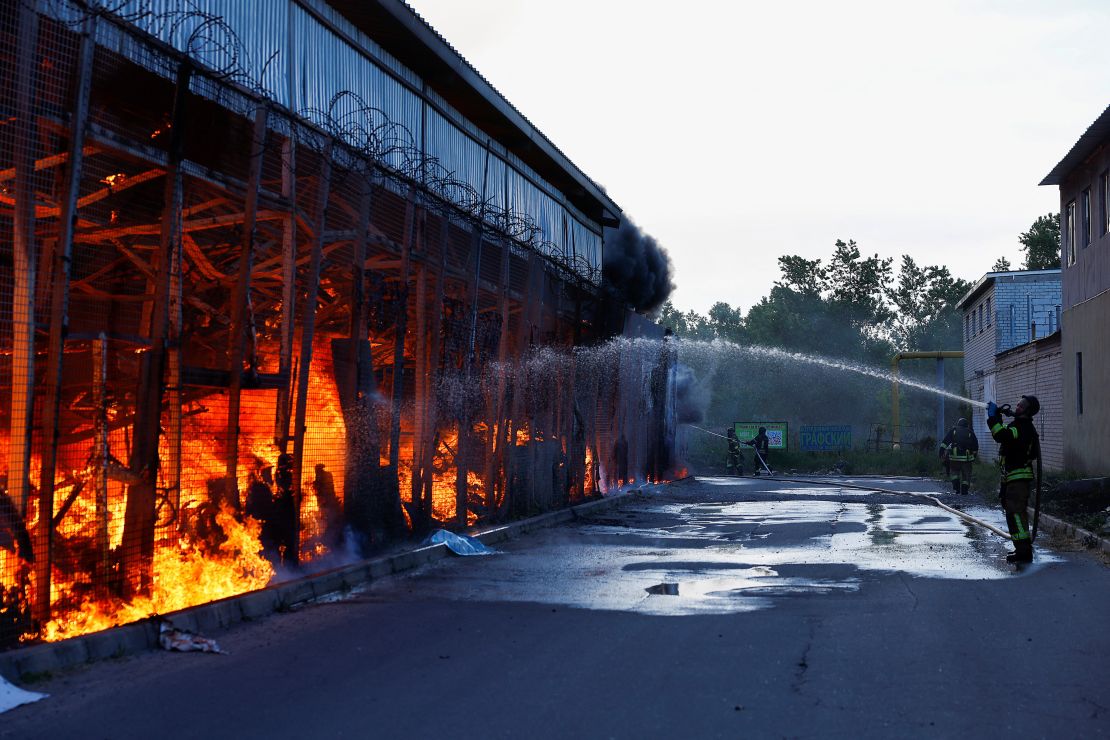
Firefighters work at a hardware store targeted by a Russian air strike in Kharkiv, May 25, 2024.

In a CNN op-ed, Adam Kinzinger and Ben Hodges described the bizarre effect of the US taboo: “We have heard Ukrainian soldiers repeatedly tell stories of Russian columns attacking, being repelled, and retreating to safe Russian territory to regroup, have a hot meal, plan and attack again.”

“Ukraine cannot win if Russians can attack civilian targets with impunity and call ‘time out’ in their own territory,” they wrote, urging Biden to call his Russian counterpart Vladimir Putin’s bluff.

But military analysts have tempered expectations, partly because the US is standing firm in not allowing Ukraine to use the most formidable munition it has been given to fire into Russia: the long-range missiles known as ATACMS that can hit targets 300 kilometers (nearly 200 miles) away.

Instead, Ukraine can only use shorter-range missiles known as GMLRS, which have a range of around 70 kilometers (around 40 miles).

Kateryna Stepanenko, an analyst at the Institute for the Study of War in Washington, told CNN the policy change will “blunt” Russia’s offensive in Kharkiv, but still “preserves the majority of Russia’s sanctuary space.”

“The policy still protects Russia’s operational and deep rear sufficiently that this change near Kharkiv Oblast is insufficient to bring about a turning point in the war. Ukraine particularly needs the capacity to strike deep rear areas to defeat the Russian ground and air threats, as many Russian airfields that support strikes against Ukrainian cities are located outside of the allowed GMLRS range,” she said.

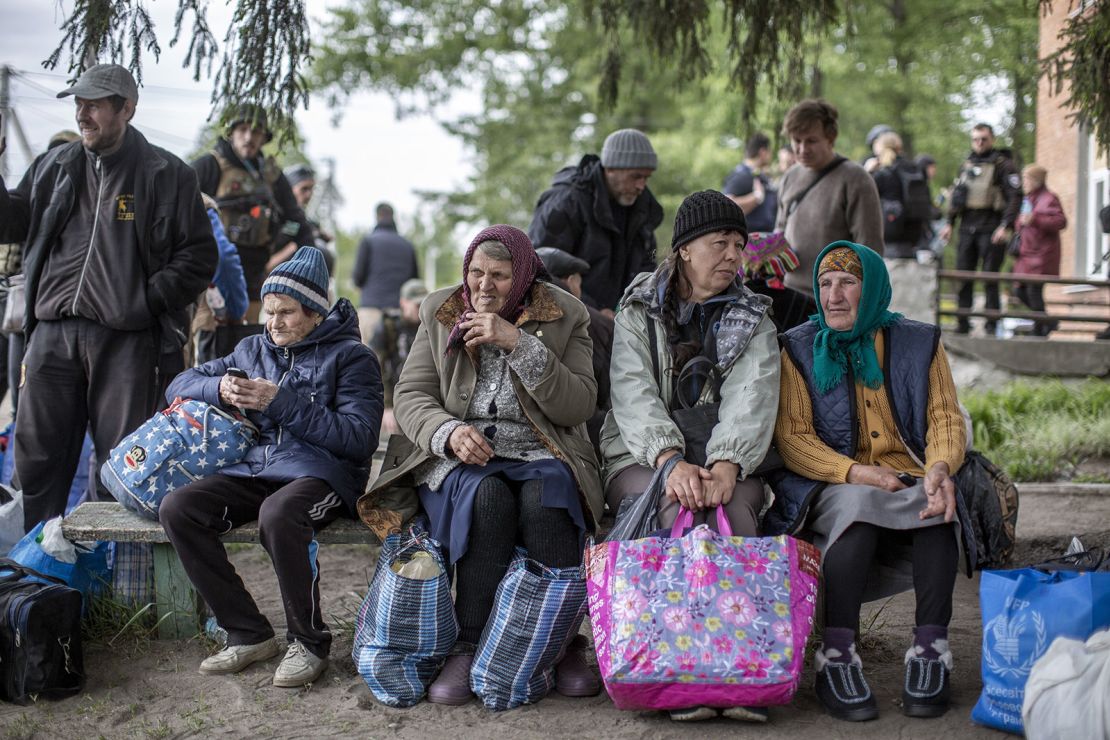
Elderly Ukrainians wait to be evacuated from the city of Vovchansk as Russia advances in Kharkiv region, May 20, 2024.

Franz-Stefan Gady, an associate fellow at the International Institute for Strategic Studies, told CNN the GMLRS cross-border strikes will allow Ukraine “to hit some Russian staging areas, command and control centers, as well as supply depots. It will not stop but complicate Russian military operations against Kharkhiv.”

“We need to be realistic about what can be expected from this policy change, since the Russian armed forces have already adapted to the introduction of ground-based precision fires,” he said.

Mathieu Boulegue, a researcher at the Center for European Policy Analysis, said the policy change would allow Ukraine to “be more efficient when it comes to repelling attacks and pushing back preemptively.”

“It’s not a game changer, per se. It’s an add-on, a steroid, an extra booster for Ukraine to defend itself,” he said.

The US is joining the United Kingdom, France, Germany and several others in removing restrictions on how Ukraine uses the weapons it is given.

Before Biden gave the green light, Putin had made veiled nuclear threats to countries considering allowing Ukraine to strike Russia with their weapons. He warned the move could lead to “serious consequences,” particularly for “small and densely populated countries.”

As well as making nuclear threats, Putin also signaled earlier this month that he was open to peace talks.

“All of these false narratives deliberately aimed to discourage Western decisionmakers from allowing Ukraine to preempt Russia’s attack on Kharkiv city,” Stepanenko said.

While the removal of this taboo appears to mark a new chapter in the war, Russia has previously experienced Ukrainian strikes with Western weapons on territory it considers its own.

Ukraine has frequently targeted occupied Crimea, which Russia annexed in 2014, using “Storm Shadow” missiles provided by the UK.

Ukraine also launched strikes on Kharkiv and Kherson in late 2022, as it sought to liberate the regions occupied by Russia in the early weeks of the full-scale invasion.

In both cases, Russia had warned Ukraine and its Western allies not to cross its red line. In both cases, Ukraine and its Western allies ignored the warning.

“The Kremlin already regards strikes against occupied Crimea and Donetsk, Luhansk, Kherson, and Zaporizhia oblasts as ‘strikes against Russia,’ but the reality is that there are few things that Russia can do to further escalate its war in Ukraine without incurring major risks,” Stepanenko said.

CNN’s Alex Marquardt, Jennifer Hansler, Kylie Atwood, Niamh Kennedy and Anna Chernova contributed reporting.

Categories
Saved Web Pages - Audio Posts

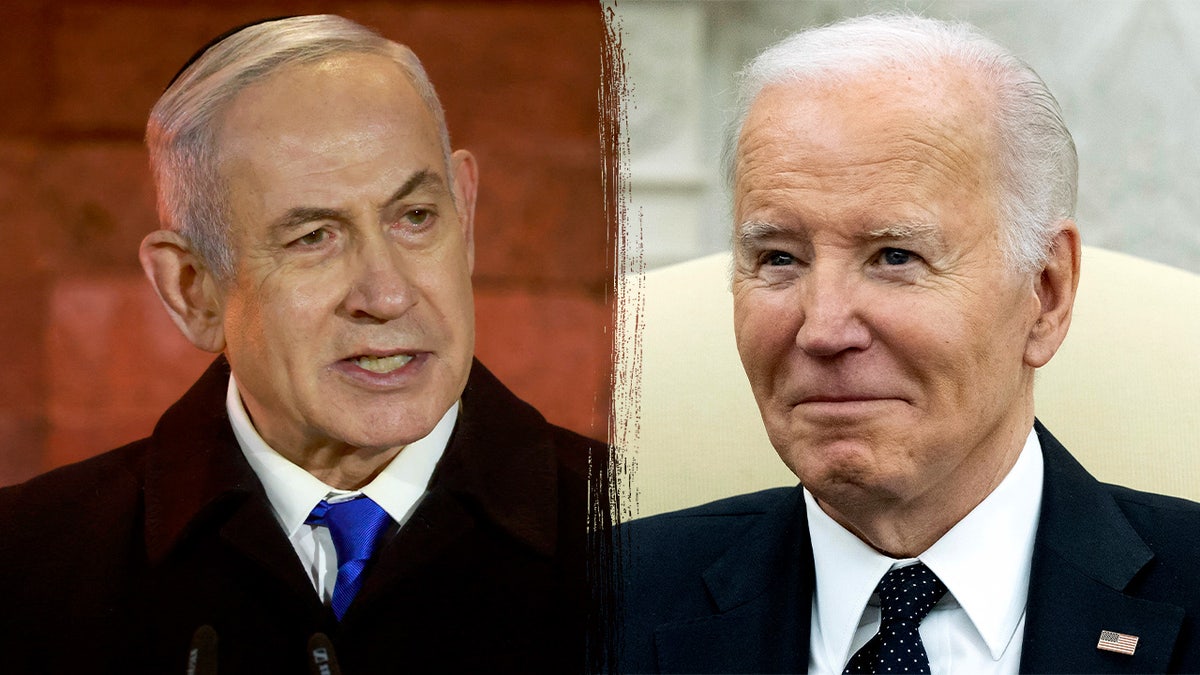
Israel begrudgingly accepts Biden’s Gaza deal: ‘Not a good plan’

Israeli Prime Minister Benjamin Netanyahu’s government begrudgingly accepted President Biden’s plan for a cease-fire in Gaza on Sunday.

Biden had issued the plan on Friday, and Netanyahu initially responded with dismissal. Hamas has indicated it favors the plan, though no formal agreement has been made.

Ophir Falk, chief foreign policy adviser to Netanyahu described Biden’s plan in an interview with the U.K.’s Sunday Times, saying it was “a deal we agreed to — it’s not a good deal but we dearly want the hostages released, all of them.”

“There are a lot of details to be worked out,” he said, adding that Israel remains committed to “the release of the hostages and the destruction of Hamas as a genocidal terrorist organization.”

NETANYAHU INVITED TO ADDRESS CONGRESS AS BIDEN URGES HAMAS TO TAKE ISRAEL PEACE OFFER

biden and netanyahu

COMBAT IN PART OF NORTH GAZA IS OVER, ISREALI MILITARY SAYS

Netanyahu’s office initially appeared to contradict Biden’s plan in a statement on Saturday, saying Israel’s conditions for ending the war – the destruction of Hamas’s military and governing capabilities, the freeing of all hostages and ensuring that Gaza no longer poses a threat to Israel – had not changed. 

“The notion that Israel will agree to a permanent ceasefire before these conditions are fulfilled is a non-starter,” his office wrote.

Biden’s plan appears to allow for Hamas to continue to exist and play some role in Gaza, however.

In a speech from the White House on Friday, Biden described his “roadmap to an enduring ceasefire and the release of all hostages,” which he said came after intensive diplomacy carried out by a U.S. team with the leaders of Israel, Qatar, Egypt and other Middle Eastern countries.

COMBAT IN PART OF NORTH GAZA IS OVER, ISREALI MILITARY SAYS

In a statement also on Saturday, Hamas said that it viewed the president’s plan positively, particularly “his call for a permanent cease-fire, the withdrawal of [Israeli] forces from Gaza Strip, reconstruction and an exchange of prisoners.”

IDF Forces preparing for possible Rafah campaign

CLICK HERE TO GET THE FOX NEWS APP

In his speech, Biden said the plan consisted of three phases: the first, which would take six weeks, would see a full and complete cease-fire, a withdrawal of Israeli forces from all populated areas of Gaza and a release of a number of hostages. In exchange, Israel would release hundreds of Palestinian prisoners and allow Gaza’s civilians to return to their homes and neighborhoods in all of the Gaza Strip.

Fox News’ Ruth Marks Eglash and Reuters contributed to this report

Categories
Saved Web Pages - Audio Posts

Zelensky says China’s ‘support to Russia’ will extend war in Ukraine during surprise appearance in Asia

2024-06-02t043519z-109953195-rc2s28anlce

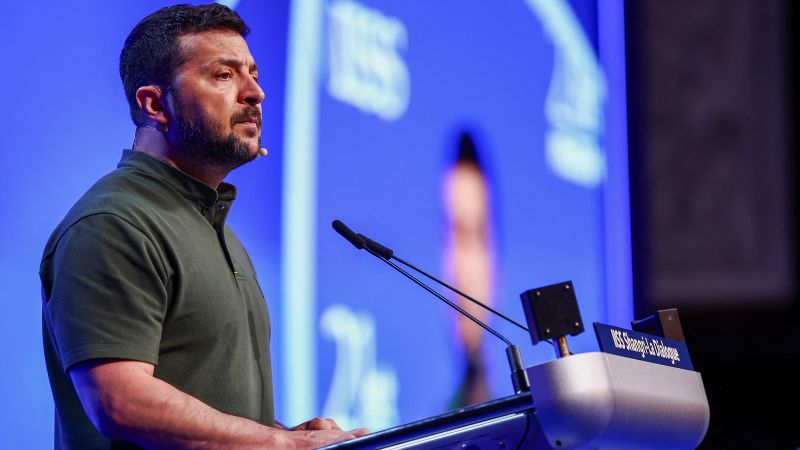
China’s support to Russia will extend the war in Ukraine, President Volodymyr Zelensky said Sunday, as he called on countries across the Asia-Pacific to join an upcoming peace summit he accused Russia of trying to thwart.

Zelensky made the comments in Singapore during a surprise appearance at a meeting of defense chiefs from across the Asia-Pacific, including China and the US. It comes ahead of the international peace conference on Ukraine slated to be held June 15-16 in Switzerland.

“With China’s support to Russia the war will last longer. That is bad for the whole world, and the policy of China – who declares that it supports territorial integrity and sovereignty and declares it officially. For them it is not good,” Zelensky said during a press conference.

China claims neutrality in the conflict and has said it is a proponent of peace, even as it has emerged as a key economic lifeline and tightened its already close strategic and diplomatic partnership with Russia since the country’s February 2022 invasion of Ukraine.

The US has also alleged that China’s export of dual-use goods to Russia is powering the warring country’s defense industrial base and warned Beijing of consequences for such support – a claim Beijing has refuted, saying it has not provided weapons to either side and maintains tight export controls on dual use goods.

Zelensky alluded to such support in comments Sunday, saying certain elements that make up parts of Russia’s weaponry “come from China.”

The Ukrainian leader also warned that Russia was attempting to pressure countries not to join the upcoming international peace summit – with China’s help.

“Russia is trying to disrupt the peace summit and that is true … (Russia) is now traveling around many countries in the world threatening them with the blockade of the agricultural goods, of the food products, of chemical products … it is simply pushing the other countries of the world so that they’re not present on the summit,” Zelensky said after delivering an address at the defense conference.

When asked later about China’s statement it would not attend the peace summit, the Ukrainian leader accused Russia of using Chinese diplomats to disrupt it.

“Regrettably, it is unfortunate that such big independent powerful country as China is an instrument in the hands of Putin,” Zelensky said, speaking through an interpreter.

The Ukrainian leader added that he had not had any meetings with Chinese representatives in Singapore, despite interest on the Ukrainian side for more dialogue.

China last week said it would not send a delegation to the peace summit, saying any international peace conference should have “recognition by both Russia and Ukraine, equal participation by all parties, and fair discussion of all peace plans.”

Chinese Minister of National Defense Dong Jun in an address earlier Sunday said China had been “promoting peace talks with a responsible attitude.”

Dong also appeared to respond to US allegations that China is bolstering Russia’s defense industrial base with dual-use exports, saying in his remarks that China has not provided weapons to either side in the conflict and had put “stricter control” on dual-use exports.

US defense chief Lloyd Austin raised those transactions with Dong during a sideline meeting Friday, where he warned of consequences for any Chinese support of Russia’s military.

CNN has reached out to China’s Ministry of Foreign Affairs for comment on Zelensky’s claims.

The Ukrainian leader’s in-person appeal at the Shangri-La Dialogue comes as Ukraine’s troops scramble to repel a major Russian advance into its northeast region of Kharkiv amid shortages of weaponry and manpower more than two years into Russia’s invasion – raising the urgency for Kyiv to bolster international support for its peace plan.

Zelensky’s plan calls for the full withdrawal of Russian forces and a restoration of Ukraine’s internationally recognized borders. The Ukrainian leader has previously said he won’t negotiate with Russia until its forces withdraw.

“Time is running out” including for Ukrainian children taken by Russia, Zelensky told a packed hall during an address on the closing day of the three-day security meeting.

The summit, he said, would address three points of his peace formula, including “nuclear security, food security, and the release of prisoners of war,” as well as “Ukrainian children abducted by Russia” and enable countries to come to a consensus on peace in Ukraine that could be “passed to Russia.”

The International Criminal Court in The Hague last year issued an arrest warrant for Russian President Vladimir Putin for an alleged scheme to deport Ukrainian children to Russia.

Russia has referred to the peace conference as “trickery” designed by the United States, with a Ministry of Foreign Affairs spokesperson last week saying the “real ‘peace formula’” was for Western countries to stop providing Ukraine with weaponry.

So far more than 100 countries and international organizations have committed to join the gathering, Zelensky said.

The upcoming peace summit and Ukraine’s defense were also key topics for Zelensky as he held sideline meetings since arriving in Singapore on Saturday.

Those included talks with US Defense Secretary Austin, Indonesia’s President-Elect Prabowo Subianto, and Timor-Leste’s President José Ramos-Horta, as well as a delegation of American lawmakers.

In his meeting with Zelensky Sunday morning, Austin reiterated “unwavering US support for Ukraine in the face of Russian aggression” and provided an update on American security assistance to Ukraine, according to a readout from Pentagon press secretary Maj. Gen. Pat Ryder after the meeting.

Zelensky said in a post on Twitter that the two sides discussed “the defense needs of our country, bolstering Ukraine’s air defense system, the F-16 coalition, and drafting of a bilateral security agreement.”

He also thanked US President Joe Biden for “an important decision” regarding defensive strikes with American weapons, in reference to the White House’s decision, as reported by CNN, to permit Ukraine to use American munitions for limited strikes within Russian territory.

CNN’s Natasha Bertrand, Eric Cheung, Sandi Sidhu and Wayne Chang contributed to this report.

Categories
Saved Web Pages - Audio Posts

Zelensky Hails ‘Very Good’ Meeting with US Defense Secretary Austin in Singapore

Ukrainian President Volodymyr Zelensky said Sunday he had a “very good” meeting with US Defence Secretary Lloyd Austin in Singapore, as he seeks to rally support for Kyiv while a Russian offensive gains ground.

Zelensky met with Austin on the sidelines of the Shangri-La Dialogue, a major security forum attended by defense officials from around the world.

Follow our coverage of the war on the @Kyivpost_official.

The meeting came after Washington decided to partially lift restrictions on using US-provided weapons to strike inside Russia, which Zelensky has hailed as a “step forward”.

Asked about the meeting by reporters as he left the room, the Ukrainian president said it was “very good”. Austin made no comment.

A US official travelling with Austin had told AFP the pair would meet to “discuss the current battlefield situation in Ukraine and to underscore US commitment to ensuring Ukraine has what it needs to defend itself against ongoing Russian aggression”.

Zelensky is appealing for more military aid for the Ukrainian army, which has been ceding ground to relentless Russian attacks.

Zelensky and Austin last met face-to-face in December in Washington, where Zelensky made a last-ditch plea for US aid before it ran out.

The US Congress approved in April a $61 billion financial aid package for Ukraine following months of political wrangling, unlocking much-needed arms for the country’s outgunned troops


Page 2

AFP

Categories
Saved Web Pages - Audio Posts

Donald Trump suffers triple polling blow in 48 hours after guilty verdict

Former President Donald Trump has suffered losses in three separate polls in the 48 hours since his guilty verdict in his Manhattan criminal trial.

A New York jury on Thursday found Trump, the presumptive GOP presidential nominee, guilty on 34 counts of falsifying business records relating to a hush money payment made to adult film star Stormy Daniels by Trump’s then-lawyer and fixer Michael Cohen shortly before the 2016 presidential election. Daniels alleges she had a sexual encounter with Trump in 2006, which he denies. Trump has maintained his innocence, claiming the case is politically motivated, and his lawyers plan to fight the verdict and appeal the case if necessary.

In a YouGov snap poll conducted just hours after the verdict was announced, 50 percent of the 3,040 U.S. adults who were polled said they believed Trump was guilty, while 30 percent said they believed he was not guilty. Another 19 percent said they were not sure. The poll has a margin of error of plus or minus 2.3 percent.

When broken down into party lines, 15 percent of Republicans think he is guilty while 64 percent do not, 48 percent of independents think Trump is guilty while 25 percent do not, and 86 percent of Democrats believe he is guilty while 5 percent do not. A total of 831 Republicans, 1,114 independents, and 1,113 Democrats were surveyed. The margin of error of the subgroups are unclear.

Donald Trump

Former President Donald Trump arrives to Trump Tower on Thursday in New York City. Trump has suffered losses in three separate polls in the 48 hours since his guilty verdict in his Manhattan criminal trial.
James Devaney/GC Images

A Morning Consult poll conducted on Friday found 54 percent of registered voters approve of the jury’s verdict while 39 percent disapprove. Across party lines, 18 percent of Republicans approve of the verdict while 74 percent disapprove, 52 percent of independents approve while 33 disapprove and 88 percent of Democrats approve while 8 percent disapprove. The poll surveyed 2,220 registered voters and had a margin of error of plus or minus 2 percentage points. The sizes and margins of error of the subsamples are also unclear.

Of the 2,220 registered voters, 51 percent said Trump should end his presidential campaign, while 43 percent said he should not. The majority of Republicans surveyed in the poll (79 percent) believe Trump should not drop out, however, 15 percent said he should. Meanwhile, 87 percent of Trump supporters don’t want him to end his campaign while 8 percent do. The margin of error for the Republican subsample is unclear.

A Reuters/Ipsos poll conducted between Thursday and Friday found that 5 percent of Republicans and 21 percent of independents said they are much less likely to vote for Trump because of the jury’s ruling. Meanwhile, 30 percent of Republicans and 13 percent of independents said the verdict made them much more likely to vote for Trump. However, the majority of Republicans (55 percent), independents (58 percent), and Democrats (58 percent) said the verdict didn’t change their minds on whether or not to vote for the former president.

The subsample of Republicans was 828 U.S. adults (with a margin of error of plus or minus 3.6 percent), independents was 708 (with a margin of error of plus or minus 4.0 percent), and Democrats was 774 (with a margin of error of plus or minus 3.7 percent).

Meanwhile, Steven Cheung, Trump’s campaign communications director, told Newsweek via email on Saturday, “President Trump has seen an outpouring support, which has led to polling increases and record-shattering fundraising numbers that include close to $53 million in just 24 hours, 30% of those who are new donors.”

He also mentioned a snap Daily Mail/J.L. Partners poll taken after Thursday’s verdict, which found that Trump’s approval rating was up by 6 percentage points compared to those who disapproved.

A total of 22 percent of likely voters had a more positive view of Trump after his guilty verdict while 16 percent had a more negative view. Meanwhile, 32 percent of likely voters who already had a negative view of Trump had no change of opinion while 27 percent of likely voters who already had a positive view of Trump had no change. The poll surveyed 403 likely voters from Thursday to Friday and had a margin of error of plus or minus 4.9 percent.

Newsweek is committed to challenging conventional wisdom and finding connections in the search for common ground.

Newsweek is committed to challenging conventional wisdom and finding connections in the search for common ground.